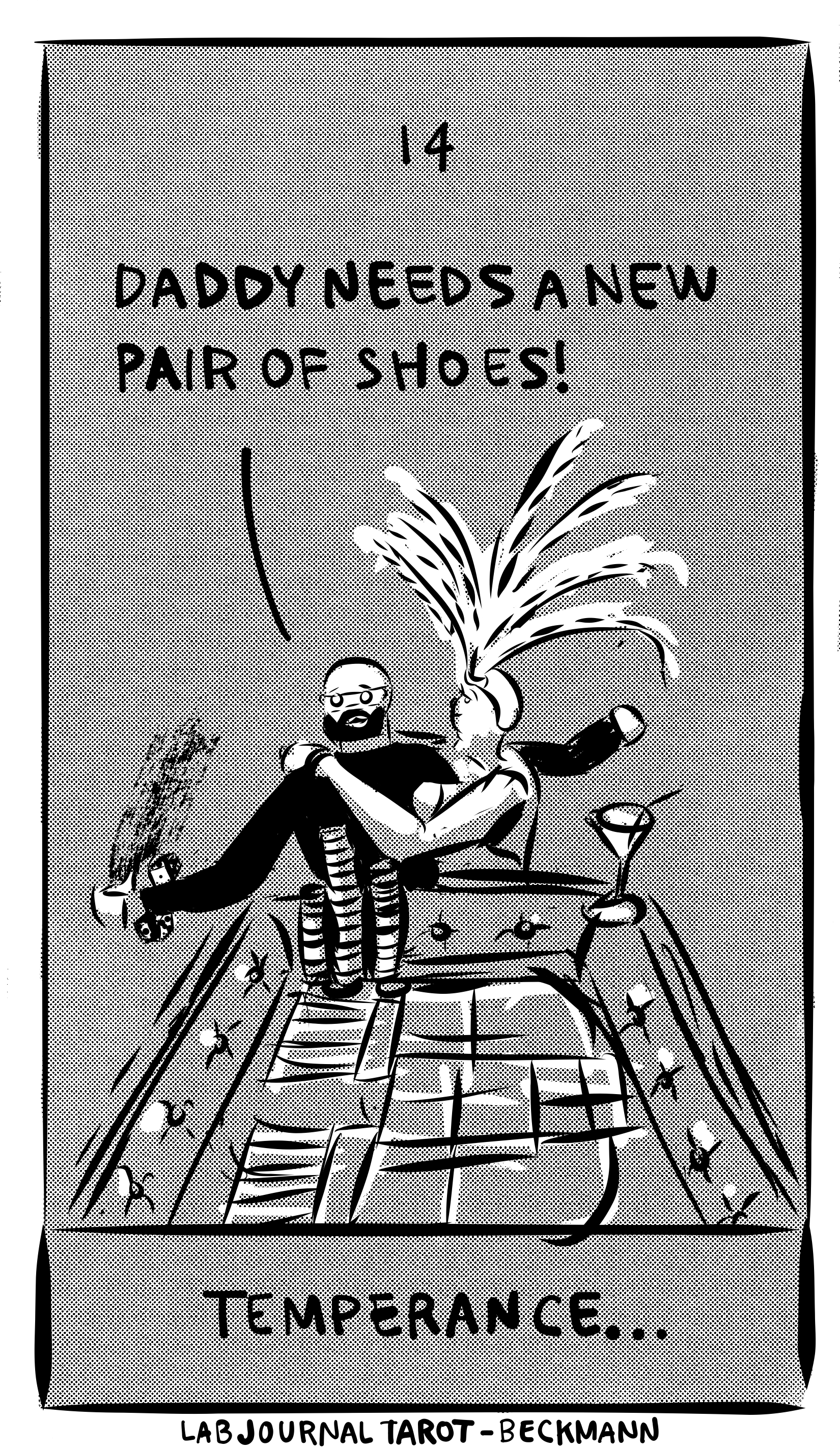
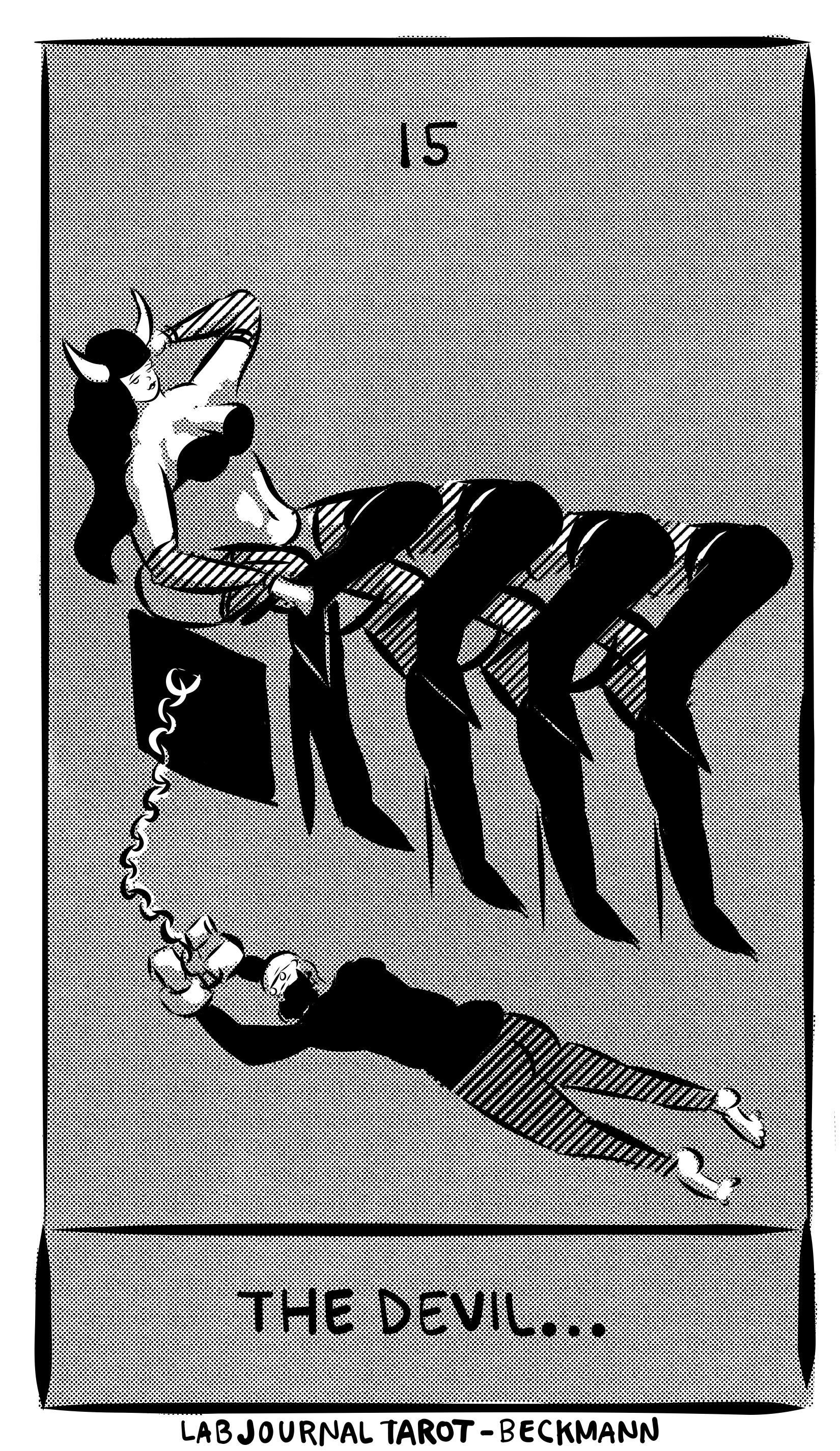
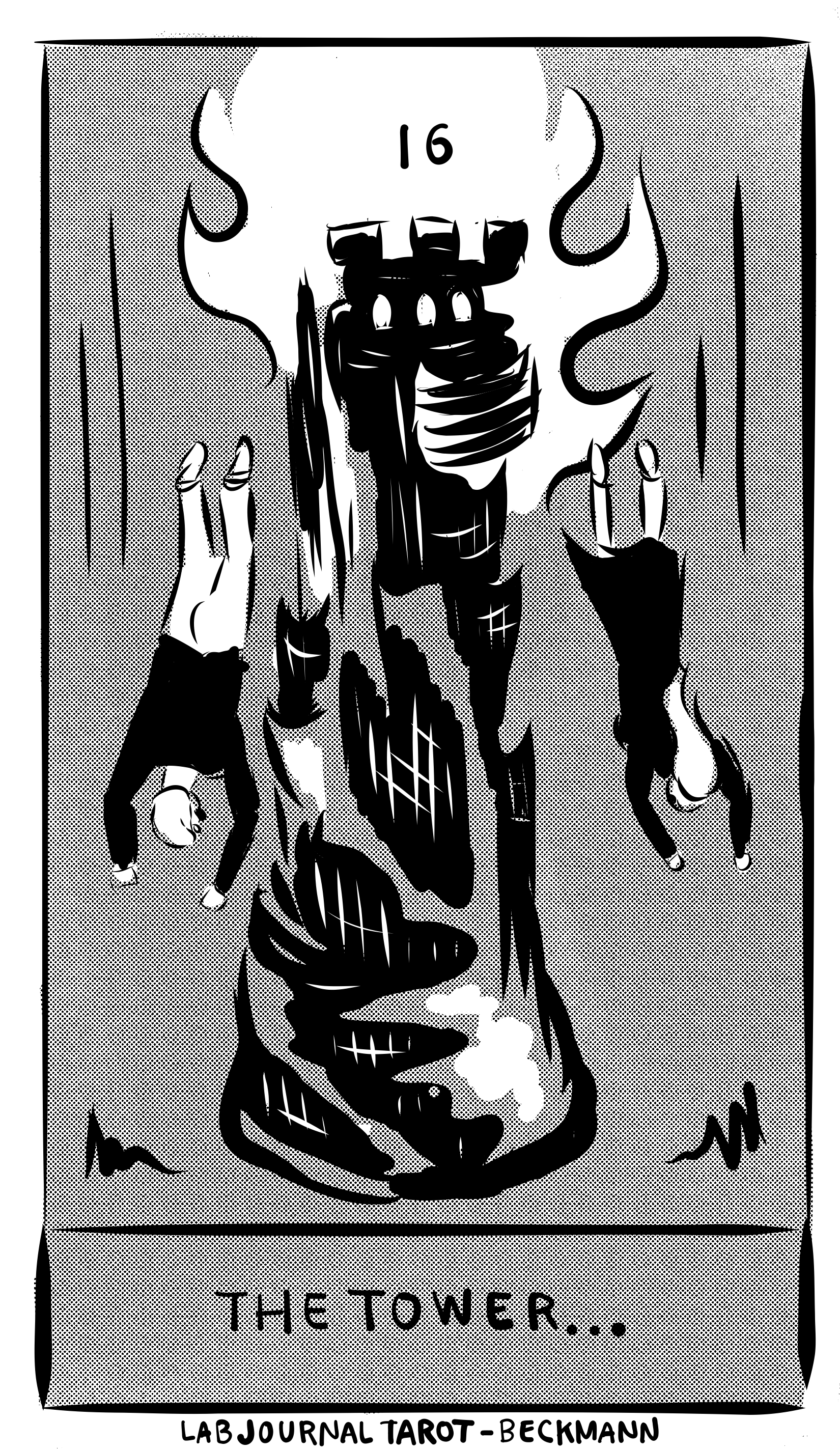
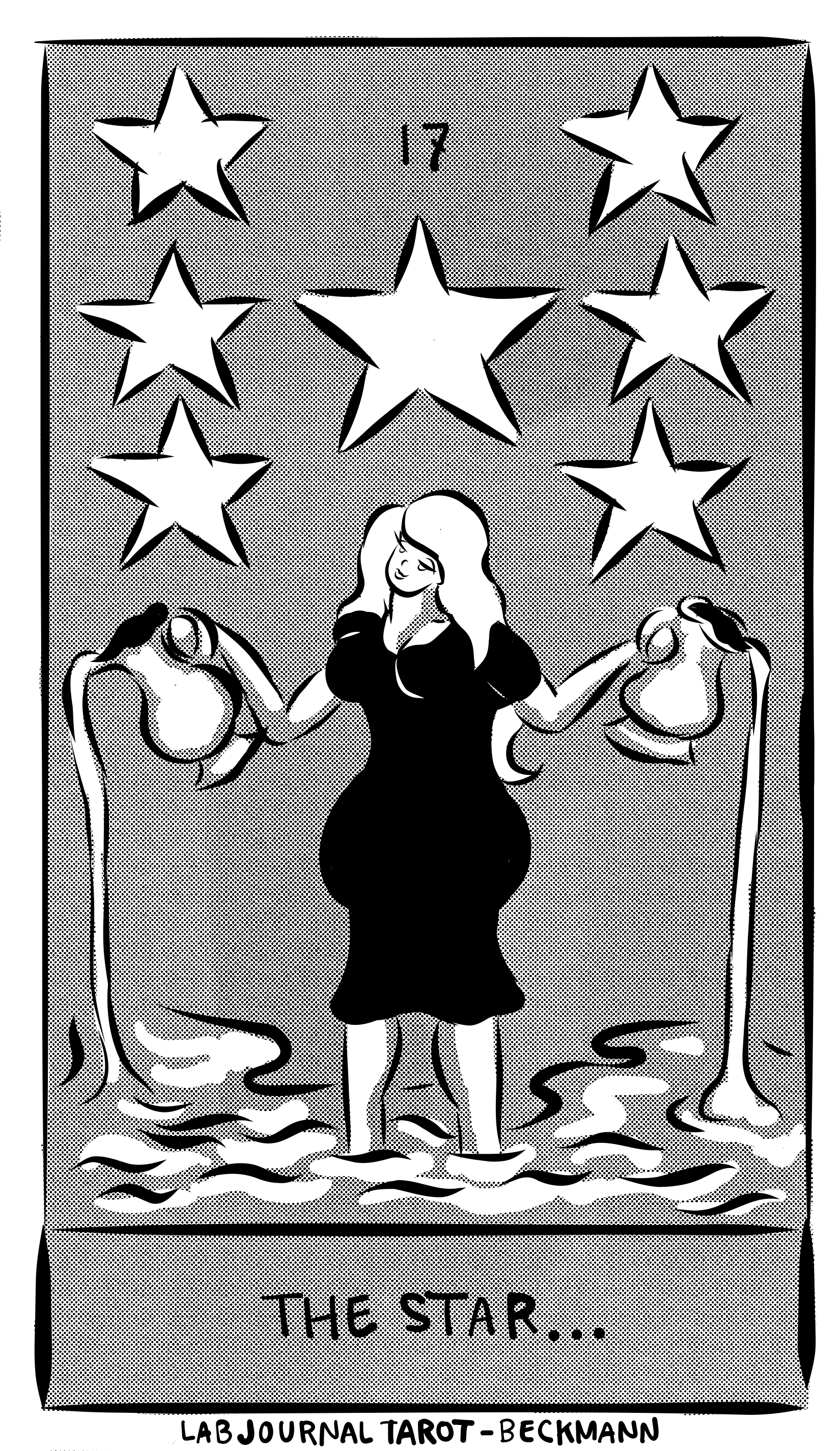
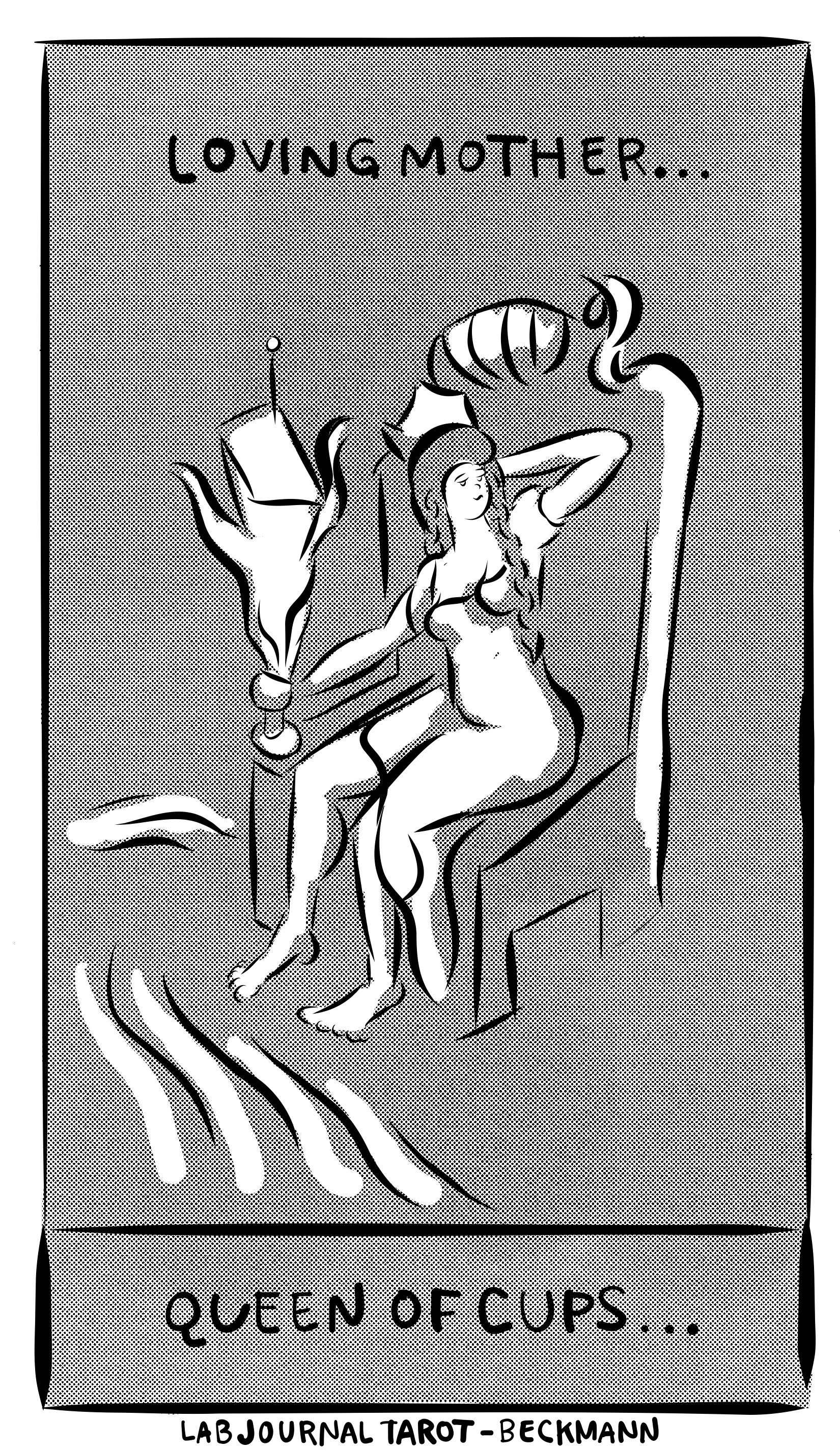
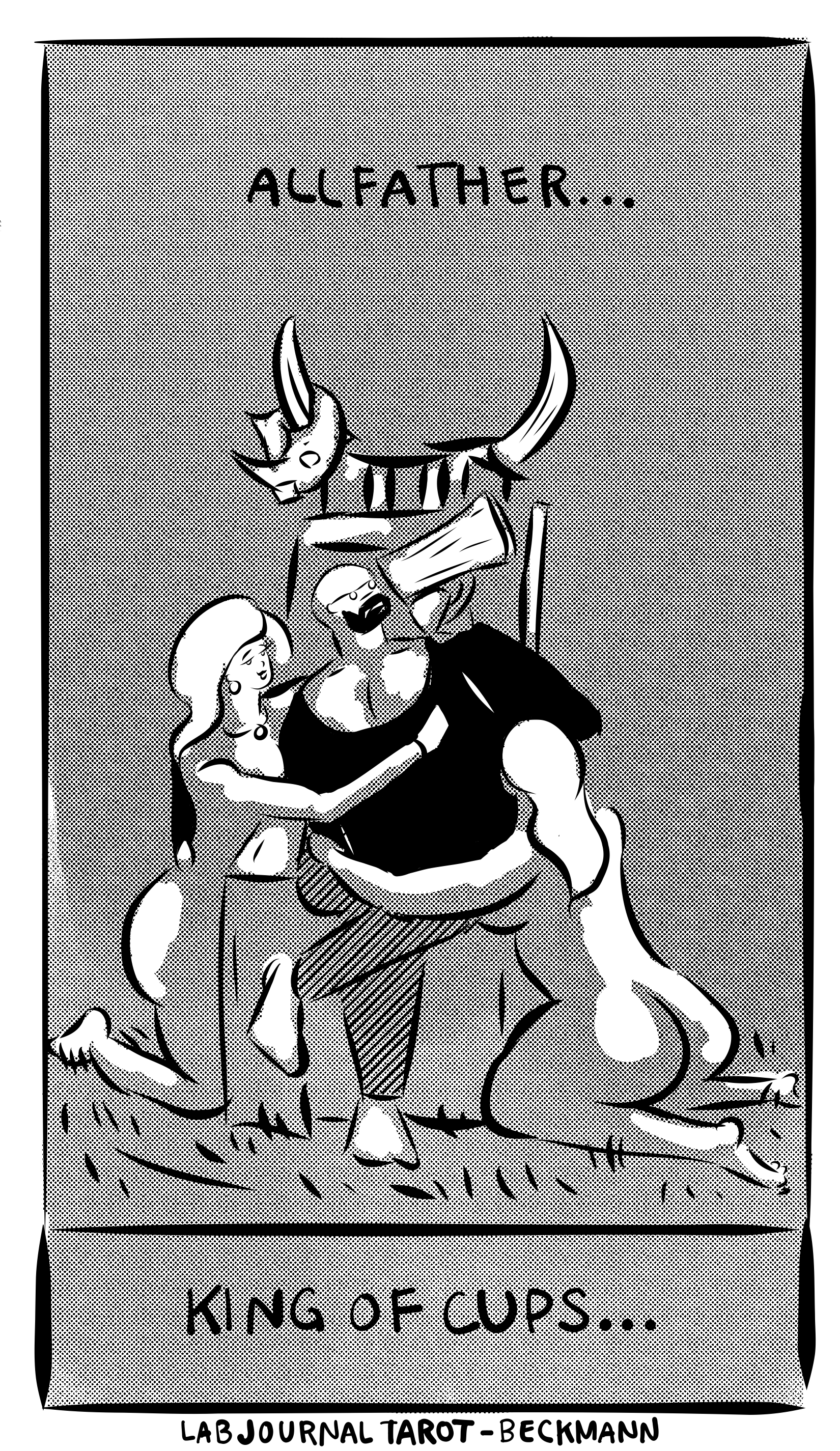
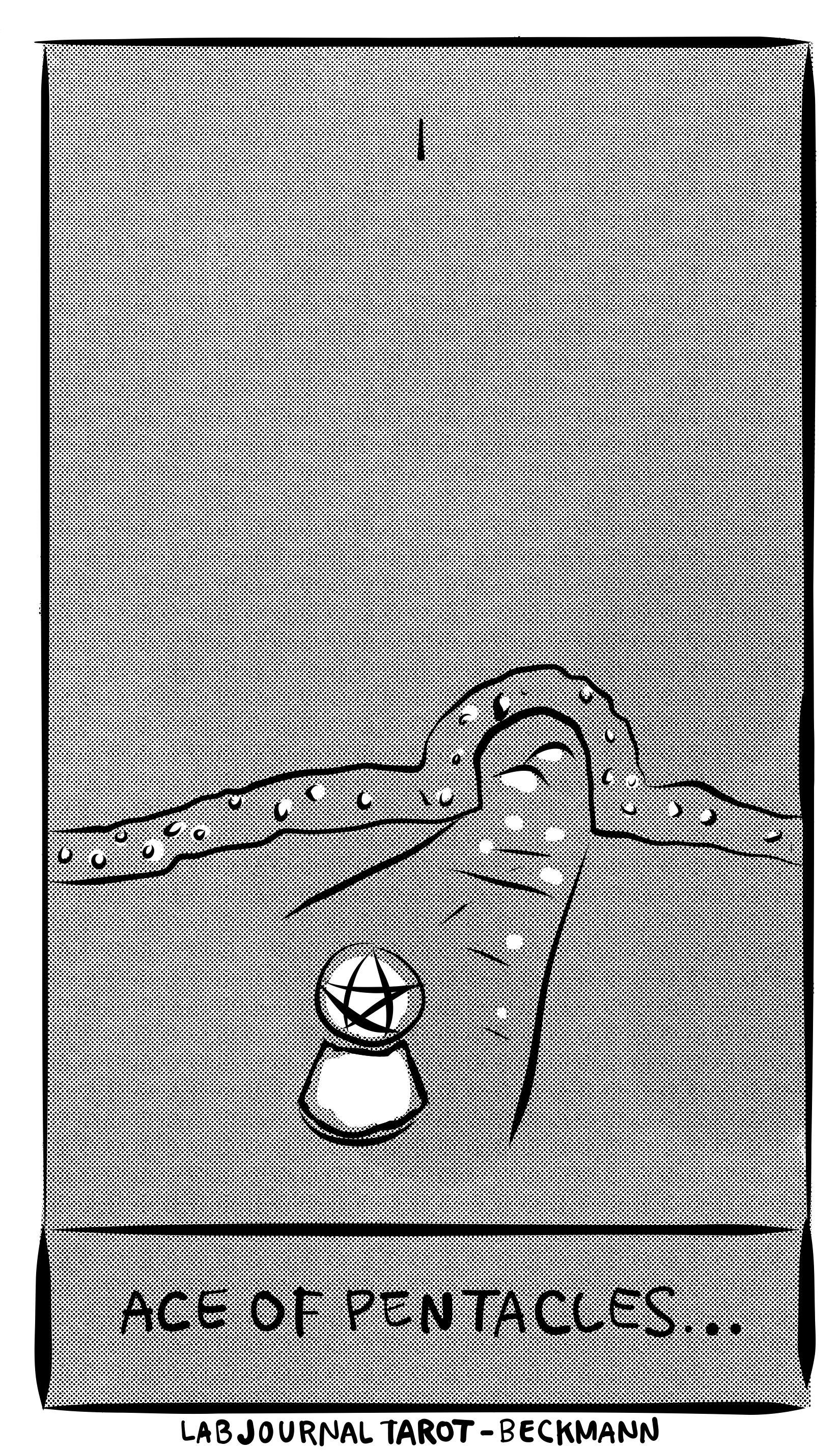
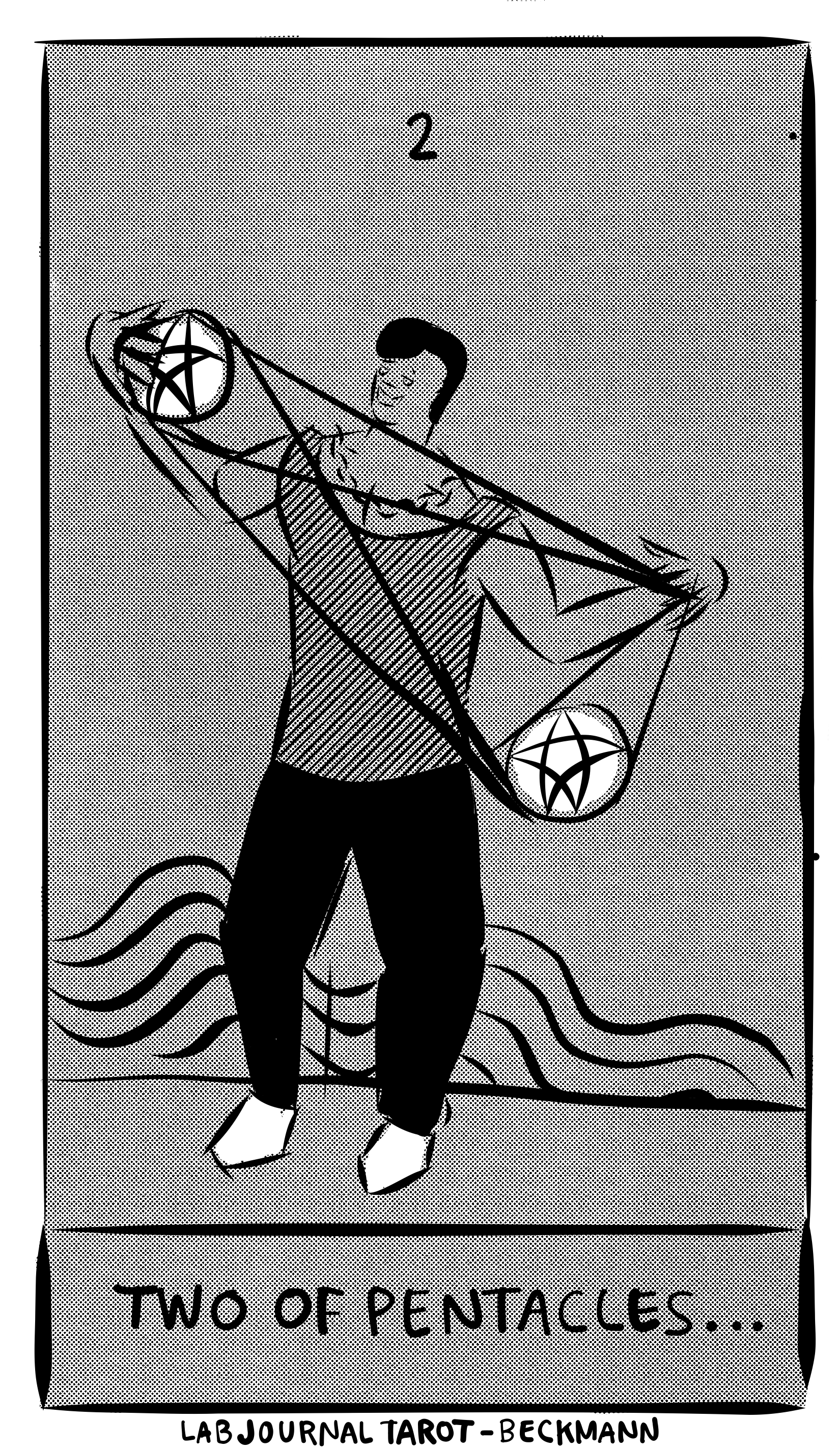
John F. Beckmann, Ph.D.
What is Tarot?
Tarot was originally a simple trick-taking card game, like Euchre. The modern Tarot cards are itemized numerical cards that follow human story lines. About 300 years ago it was morphed from a game into a divination tool. The two central hypotheses of divination Tarot are one, that human personality is not continuous, but rather discrete – i.e., humans, occupy certain set personalities (or playable character roles) that can be categorically binned; the number of bin categories are few, finite, countable and roughly correspond to the 12 zodiacs. Second, that human experience is not unique – the story of your life is similar to – and has been experienced by many other humans in the past – though your specific details are different.
Is human personality discrete/categorical?
I think it is. There are definitive measurable characteristics of personality that can be quantified. These are attributes like openness, disagreeableness, conscientiousness, etc. Your categorical bin, or player, or role, or character, or type, is essentially a mathematical matrix or vector space of these quantified attributes. You can be grouped with others in your cluster. To reiterate, this vector space (while continuous) can roughly be binned into ~12 discrete roles or zodiacs, plus or minus a few. According to Tarot, you have free will and agency but your bin type is astrologically determined at conception or birth. More accurate is to say it’s determined at conception by your genes – so you end up as a character that responds to environmental stimuli in a sort of pre-programmed way due to your genetically inherited attributes (or stat points in simulation theory). “All the world is a stage” and you play your role.
Human experience is not unique.
If the above is true, that human personality falls into categorical bins, that means that your personality has existed many times on earth before. Other people, who behave and respond to stimuli in a way very close to or even exactly like you, have existed many times before in evolutionary history. We see how some people with certain personalities repeat the same mistakes and behavioral patterns over and over again in their life. Why is it hard to believe that more of those similar people coexist simultaneously and have existed in those same behavioral cycles in the past, and will again in the future? These conjectures seem obviously true to me. Thus, there are predetermined character types (archetypes) and characters continuously encounter the same situational opportunities/problems/game events because those very events are often induced by their own behaviors. For example, the adventurer seeks out adventure and finds it; the romantic seeks out love and finds it, etc. These assumptions form the basis of Tarot. Tarot assumes you make your reality based on who you are.
Philosophy of Tarot.
So what precisely is Tarot? Imagine someone wrote down all the basic plot elements that happen to men and women. They fall in or out of love, they become rich or poor, they are betrayed, they take risk and find a reward or a failure, etc. These are events and actions that can occur in the game of life. Now reduce the subset of things that can happen to a character to the smallest, broadest list and subdivide it into suits that follow a given story – that is Tarot. Interestingly, Isaac Asimov wrote in Foundation, that eventually humans would discover that human behavior en masse is predictable by computer simulation, because humans are creatures that follow and respond to stimuli in consistent predictable ways – so predictable in fact – that the entire fate of the universe could be statistically predicted by running the simulation forward. THAT is Tarot. Tarot is that same argument – Nothing new under the sun, repeating behavioral patterns that keep coming true…
Does Tarot Work?
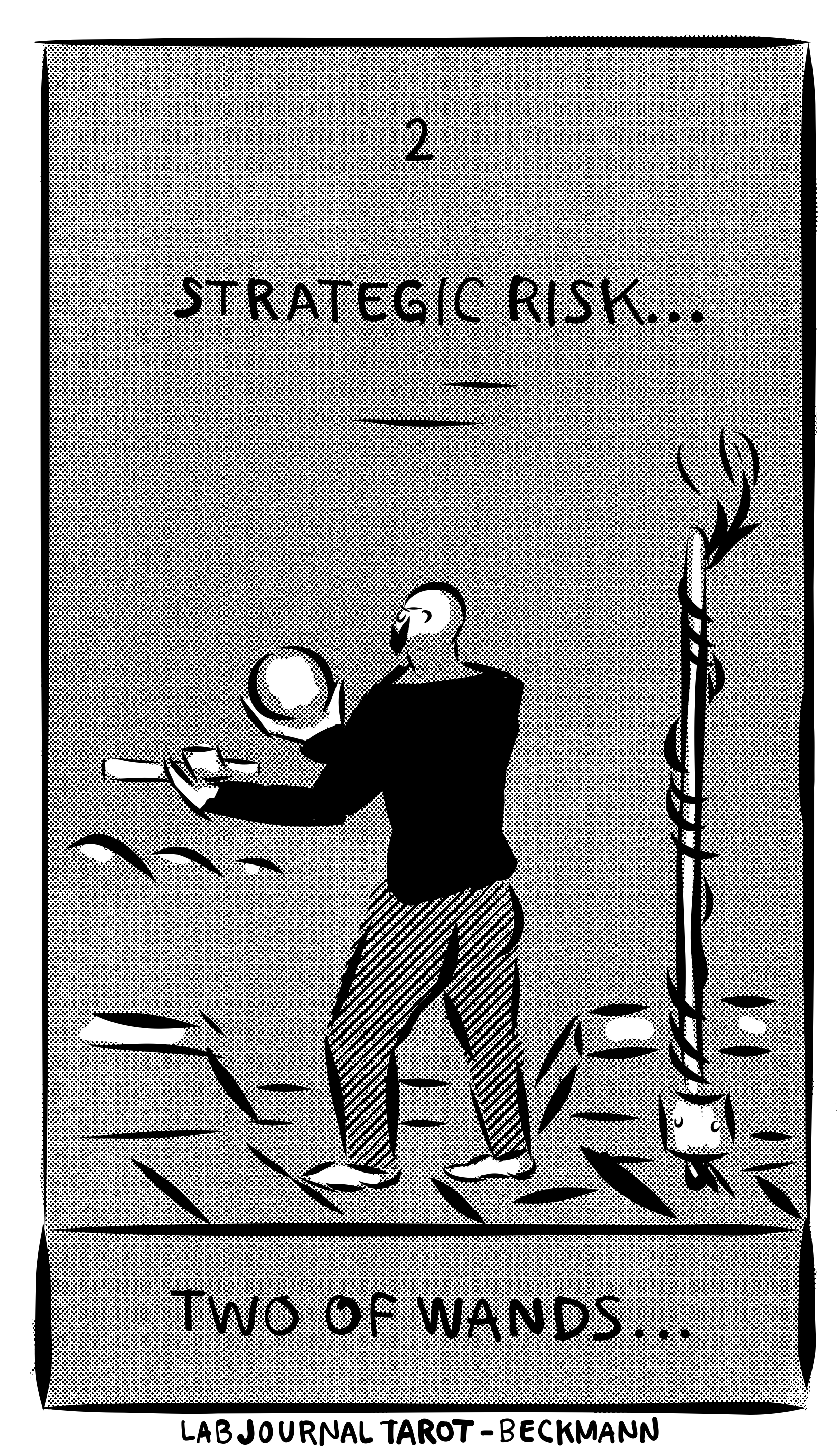
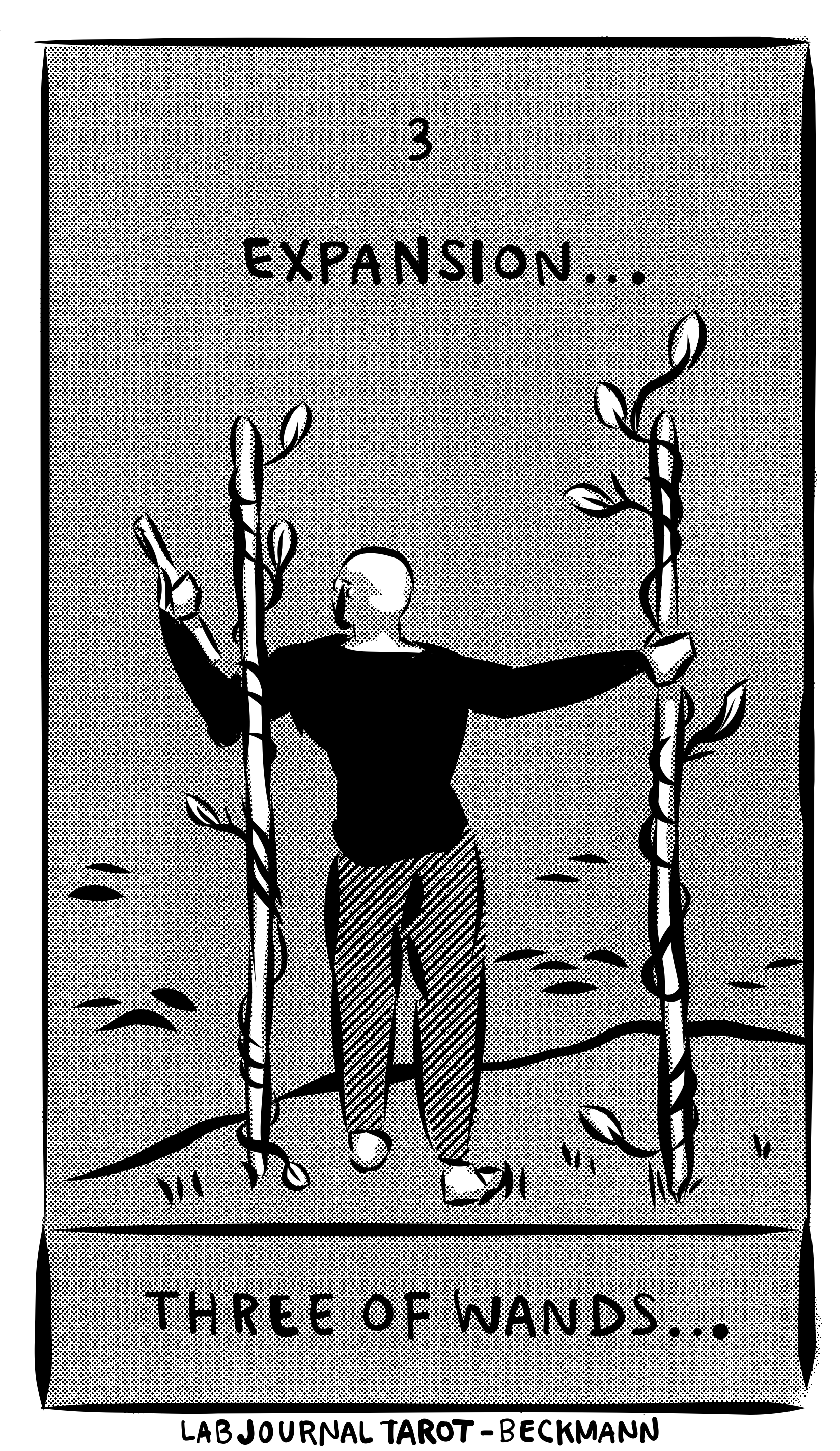
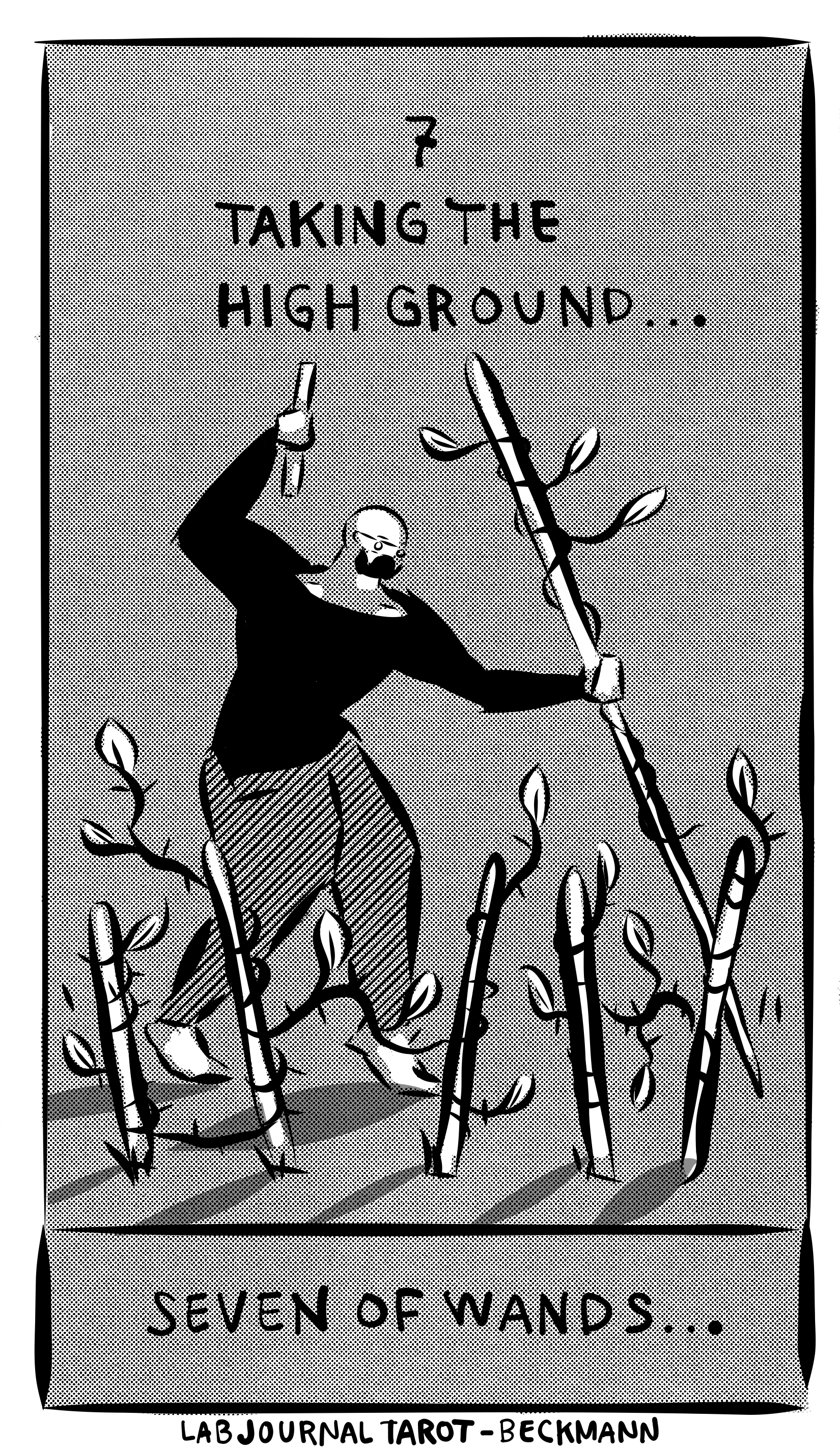
Tarot undoubtably works. On the good side Tarot cards are tools of meditation, pattern recognition, and statistical prediction. On the bad side Tarot cards are tools of divination, conjuration, and manipulation (benevolent or malevolent). Because behavioral patterns are statistically predictable and people play certain character roles, you can push people towards a behavioral destiny or statistically predict what will happen to them, via Tarot. It also helps to understand their character and their environment. Tarot also works because the stories told in the suits are recurrent life patterns. For example 2 of wands (strategic risk) leads to the next card, 3 of wands (expansion) – taking smart risks leads to expansions. So Tarot is filled with little aphorisms and proverbs that really work in life. There are aphoristic fragments of real value here (logoi spermatikoi, see below). Imagine if a wise old man wrote down all the lessons he had learned from his long life into short aphorisms and turned them into a deck of memetic cards which had been distilled/evolved over time – that is Tarot.
Is Tarot Satanic?
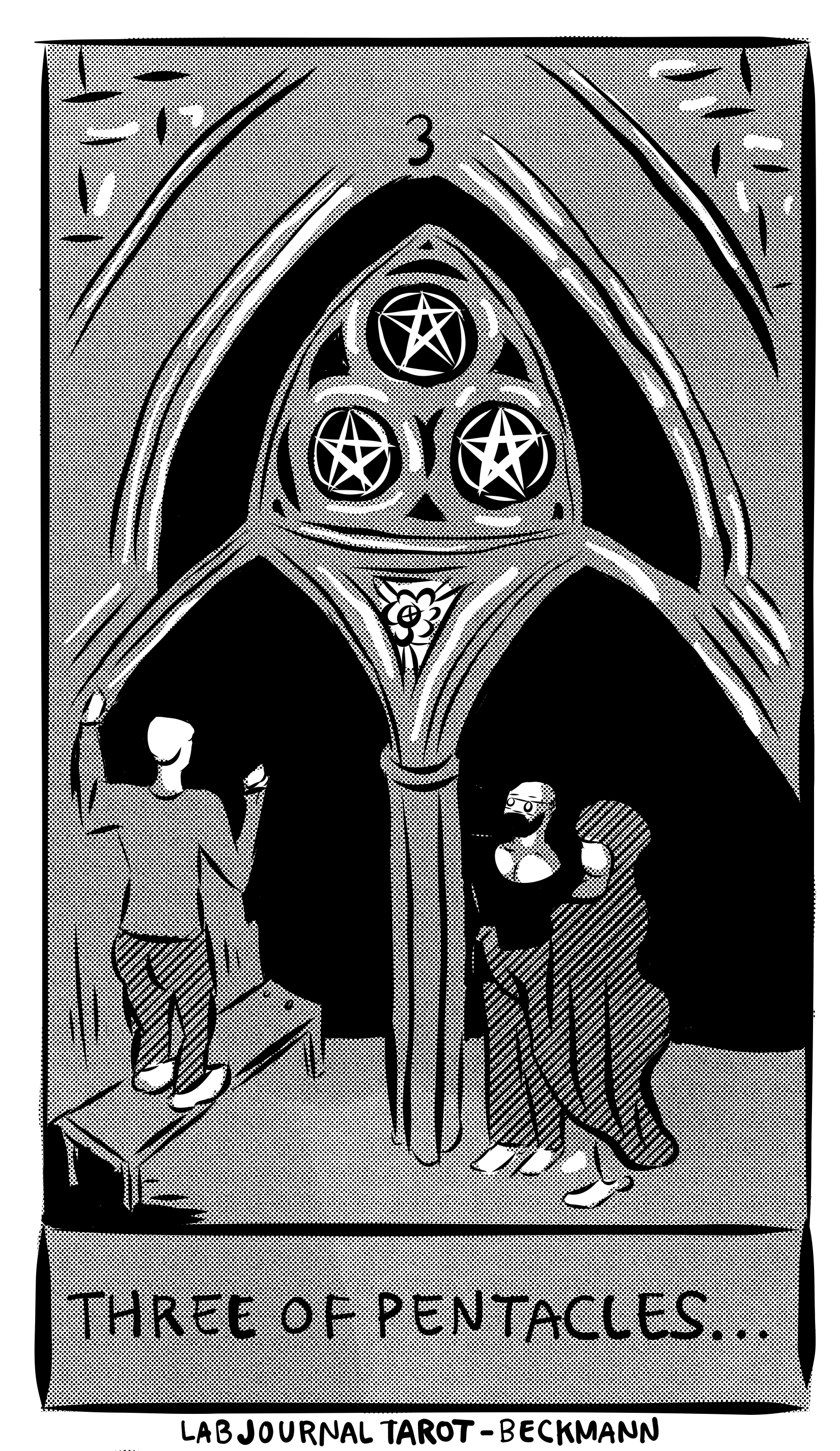
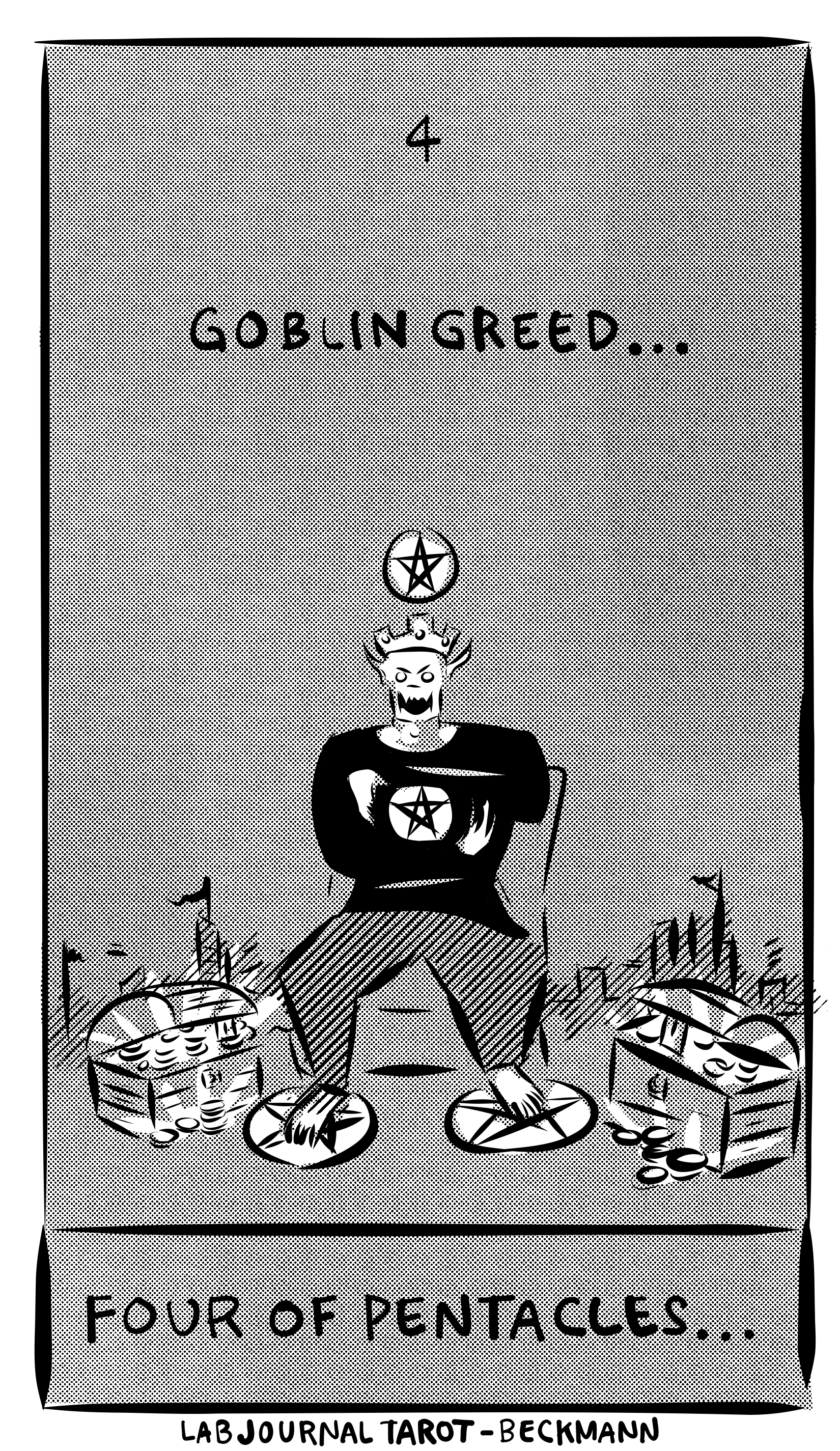
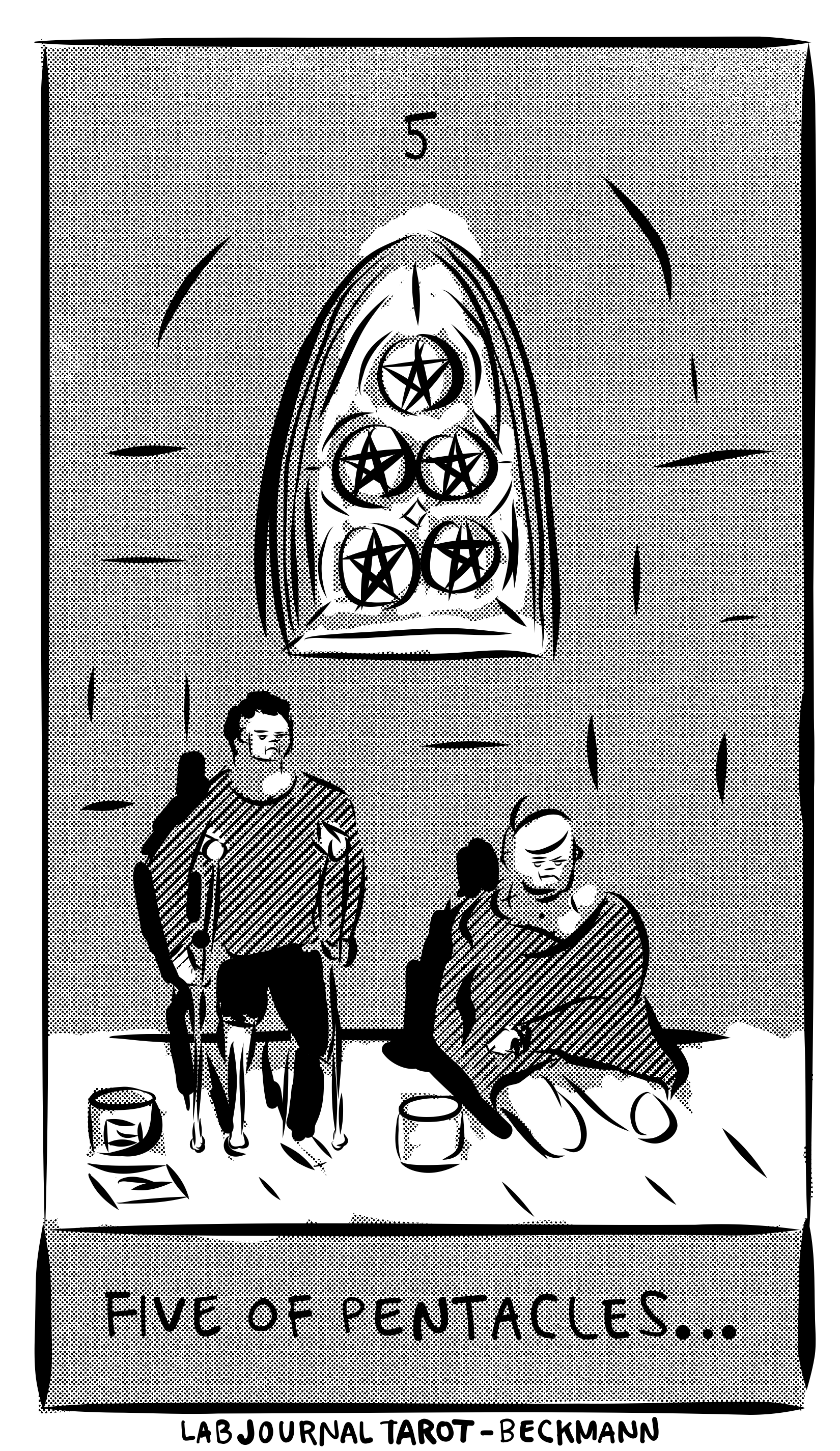
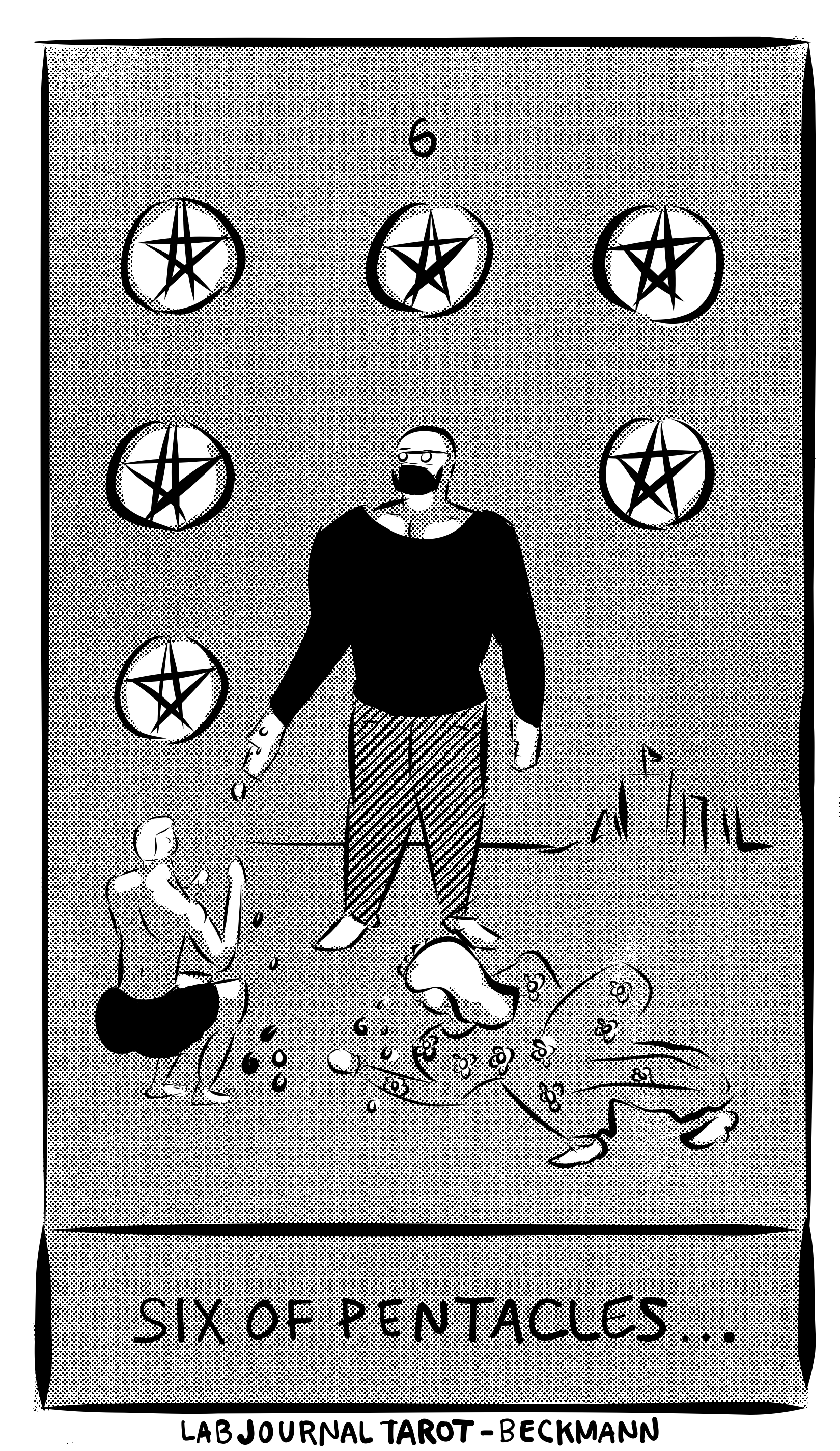
Nothing in the actual memes worships evil and (bizarrely) the original card game was actually a Catholic entertainment. Some of the more ancient card variants are decidedly Catholic characters and virtues (i.e., The Pope, Temperance, Justice, Fortitude). Thus, much in the cards warns against evil and imbalance. The Devil card warns of Satanic influence. The Death card is a memento mori. The pentacles (pentagrams) suit is a perversion of the original game. The original game labelled this suit “coins”, not pentacles. Sometime in the 18th century freemason occultists swap this particular suit to pentagrams and remove all the Catholic imagery to corrupt the game. They swap the Pope card for the secular pagan Hierophant; and Fortitude for Force which devolves to Strength. These strategic revisions make the modern decks into a tool to subvert Catholicism through demoniac divination – all other suits maintained their original character except the suit of coins. After the rebrand the game’s name is changed from something like “Triumphs/Trumps” to “Tarot”, which is a veiled reference to Egyptian divination (a clever pagan rebranding). The rebranding was so successful that almost no one today even knows about this. Thus, the game was stolen, coopted, and inverted.
Both the pentagram symbol and the game itself precede modern Satanism. Satanism coopts them like Nazism coopts the swastika and LGBTQism coopts the rainbow. The pentagram meme is polyphyletic (derived from multiple ancestor sources). Being a simple thing to draw in the sand or carve in rock – It’s ancient (before 5000 BC). Philosophically it was used by Pythagorus in his numerology and was associated with androgyny (amongst other things). Perhaps in some cultures the pentagram was an ancient demonic symbol or the symbol of a false god; and perhaps the meme carries some kind of evil karma that might be dispelled?
Like a spiritual weapon, the modern cards are neutral tools of power and are capable of manipulation in evil hands. They have been used by self-proclaimed witches and gypsies to manipulate dumb people in Satanic ways. Tarot readers undoubtedly use them for their own purposes when it suits their needs to influence, manipulate, or even just make a buck. They call this “light work and dark work.” It can be manipulative, which is why the Catholic church bans it, but the memes themselves and the history of the game is not Satanic.
Ethics of Contemplating Tarot.
The Catechism of the Catholic Church has a paragraph pertaining to Tarot. “CCC 2116: All forms of divination are to be rejected: recourse to Satan or demons, conjuring up the dead or other practices falsely supposed to “unveil” the future. Consulting horoscopes, astrology, palm reading, interpretation of omens and lots, the phenomena of clairvoyance, and recourse to mediums all conceal a desire for power over time, history, and, in the last analysis, other human beings, as well as a wish to conciliate hidden powers. They contradict the honor, respect, and loving fear that we owe to God alone.” Thus, according to this paragraph, the church rejects usage of Tarot for divination.
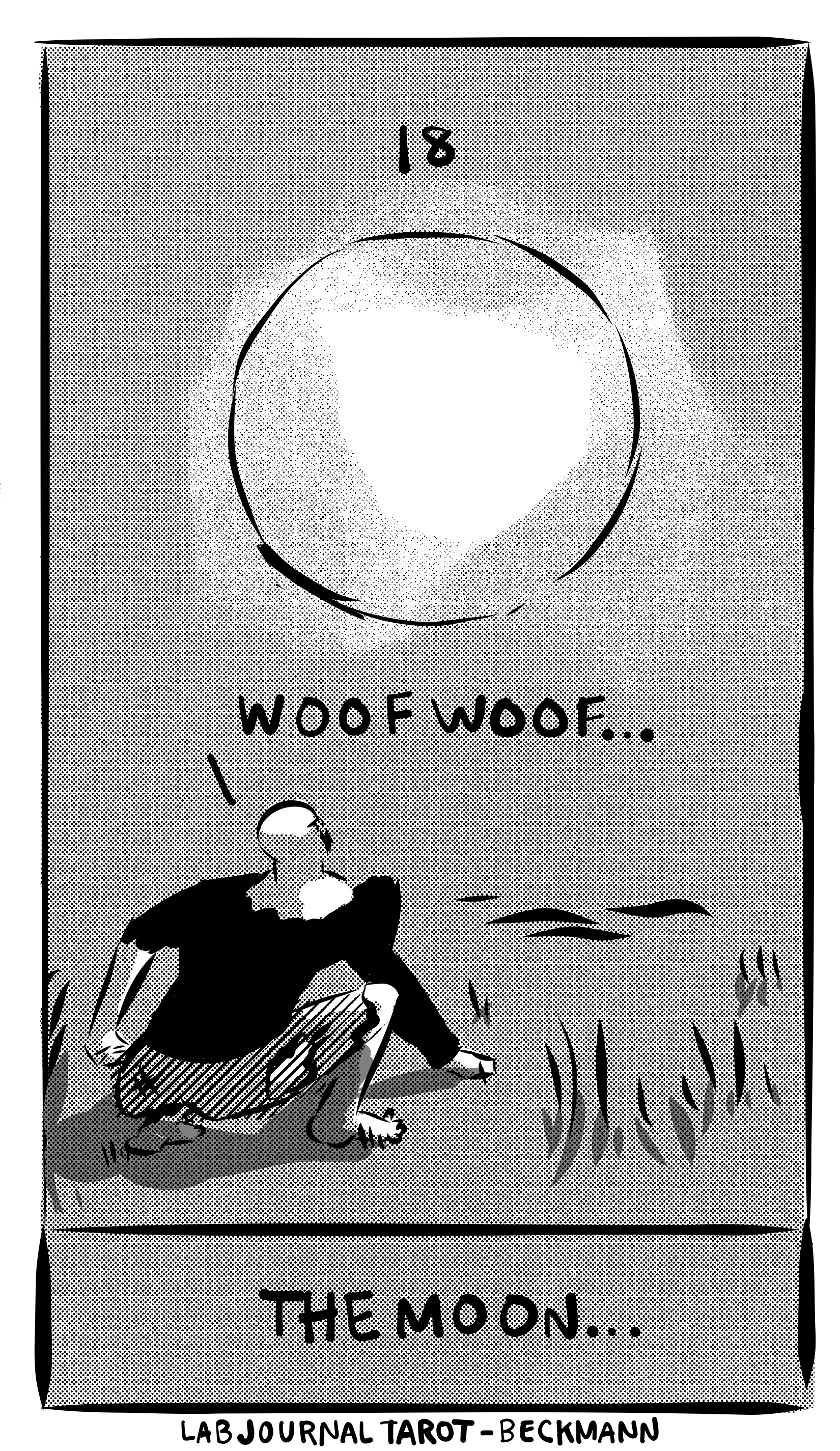
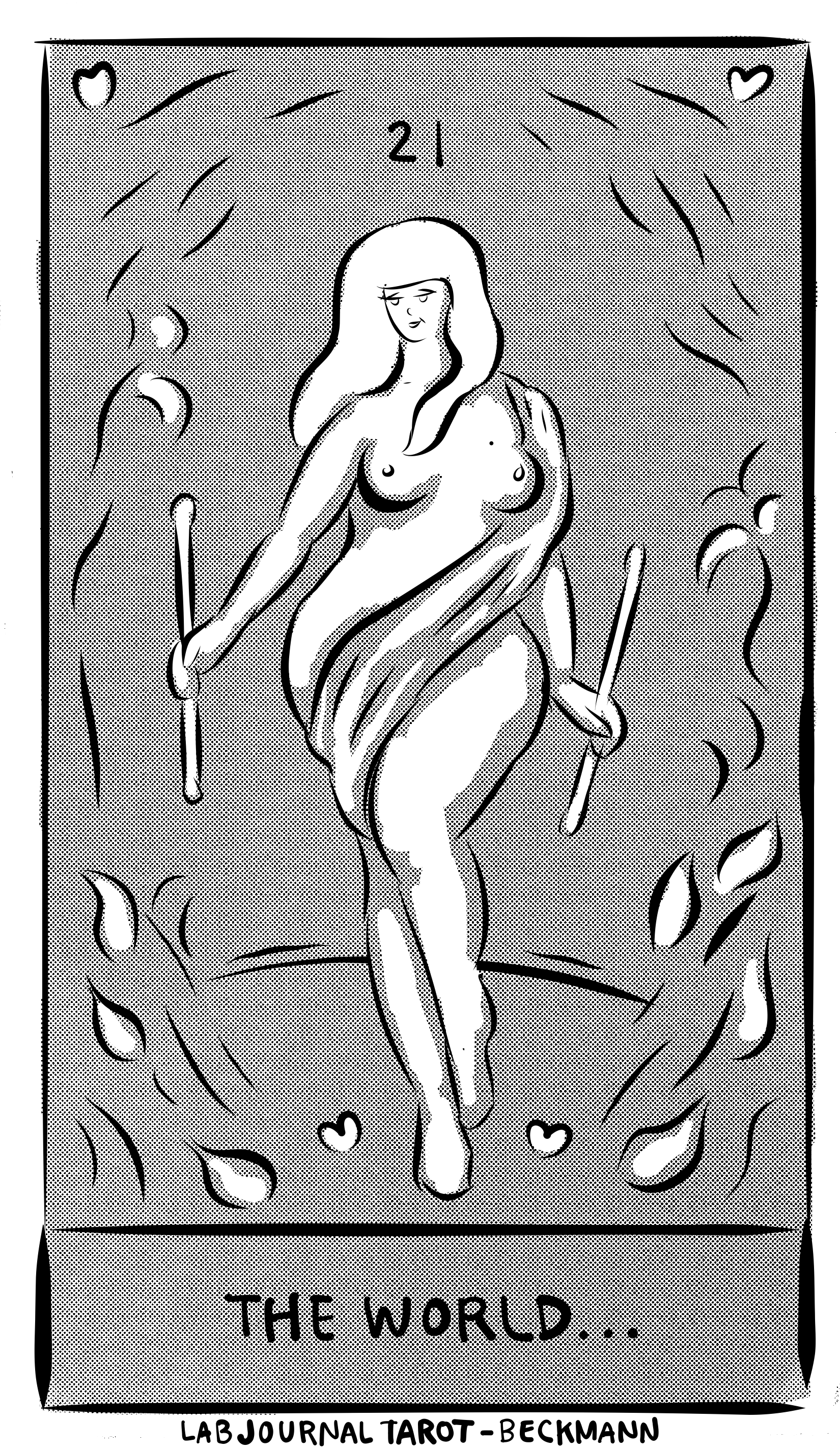
But there also exists an interesting essay from “Cardinal” Hans Urs von Balthasar as an afterword to the book “Meditations on the Tarot: A Journey into Christian Hermeticism.” The essay describes more advanced/nuanced thoughts on Tarot. “Cardinal” Balthasar was a Catholic priest and esteemed theologian who was nominated for Cardinal by St. John Paul II. Balthasar died two days before the ceremony and never became a full Cardinal. The book he discusses contains deep meditations about the memes in Tarot and is written by a Catholic layman, Valentin Tomberg. It was published in 1967. The Cardinal goes out of his way to describe the author of this book as a fellow brother with “allegiance” to Christ. A couple points from his essay are worth restating here. First, the Cardinal points out that while Jesus is the full Truth, words from philosophers, other theologies, and even pagan “heathen prophets” can contain seeds of truth, or seed-words (logoi spermatikoi; λόγοι σπερματικοί) – which sometimes help illumine under looked aspects of reality, that remain incomplete apart from Christ; he specifically cites Origen for this in the essay, but many other church fathers including St. Justin Martyr make this claim. The Cardinal implies and subtly postulates that Tarot and Cabbala might contain logoi spermatikoi. Second, the Cardinal distinguishes an ethical difference between a clearly defined concept of divination (i.e., playing the cards with the motive to circumvent God, acquire power through demonic forces, and predict or control the future) versus simple meditations on archetypes, recurring patterns, and visual memes contained in Tarot. I strongly sympathize with this argument. To me it seems strange that the church can simply define pictorial memes like “The Moon”, “Justice”, and “The World” as being inherently evil. This is absurd and counter Logos. Thirdly, the Cardinal differentiates between dark magic (circumventing God or contra God) versus the “magic of grace” and/or “might and powers subject to the sole rulership of Christ.” After outlaying this more nuanced view of Tarot with these three major points, the Cardinal then suggests that if there is a way, the only possible correct approach to Tarot would be through faith in Christ within Christian wisdom.
Personal Thoughts on Tarot.
The Church’s job is to prescribe clearly defined guidelines for the masses that shepherd them towards the best outcomes. That’s what the catechism is doing. I wouldn’t presume to contradict the catechism and in fact I strongly agree with a very harsh warning on Tarot. I wouldn’t let ley people play around with Tarot. But I agree with the Cardinal, that the memes in Tarot do contain logoi spermatikoi mixed with something that is some kind of vector for both the angelic and the darkly powerful. Both are equally terrifying and perhaps the angelic aspects are even more terrifying. Even in a best-case scenario I suggest that Tarot reading exposes one to demonic oppression. It is some kind of portal to the spirit realm.
I was drawn to Tarot by a kind YouTuber (she was not evil) – and I think I accidentally was forced to exercise some kind of demon out of her in the process. She was posting readings every day, but has since stopped posting and has “fixed her life.” Her videos bizarrely, accurately, and telepathically spoke to events in my life across time and cyberspace. The Cardinal’s essay explains succinctly how this works. Tarot contains the strongest imaginable meme analogies. Specifically, he states, “there is an interrelationship of all things by analogy.” Above I explain these underlying psychological mechanisms in more crystalized detail. These memes were whittled down to the most powerful and broadly applicable human life analogies over the course of more than 700 years of memetic evolution. It’s some kind of memetic power vector constructed of the most broadly true analogies, like billions of human life events compressed into a deck of 78 cards. Tarot readers train themselves to speak in these broad analogies and view the world through them so that they can connect to and draw people stochastically. One can see how this could be easily corrupted but it could also be used for good (each Tarot card has both an up and down interpretation); counseling comes to mind. There are psychological truths and wisdom here.
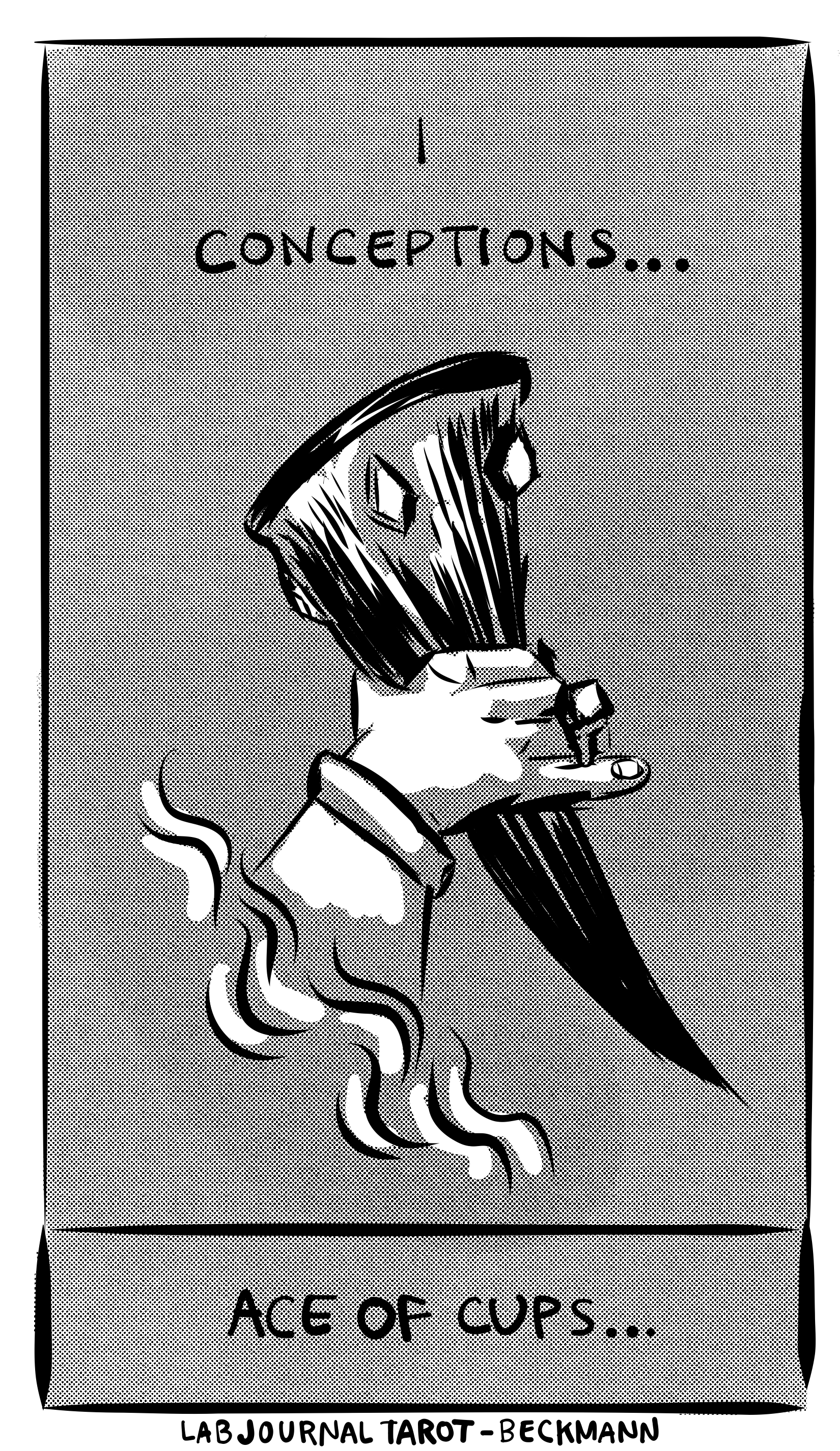
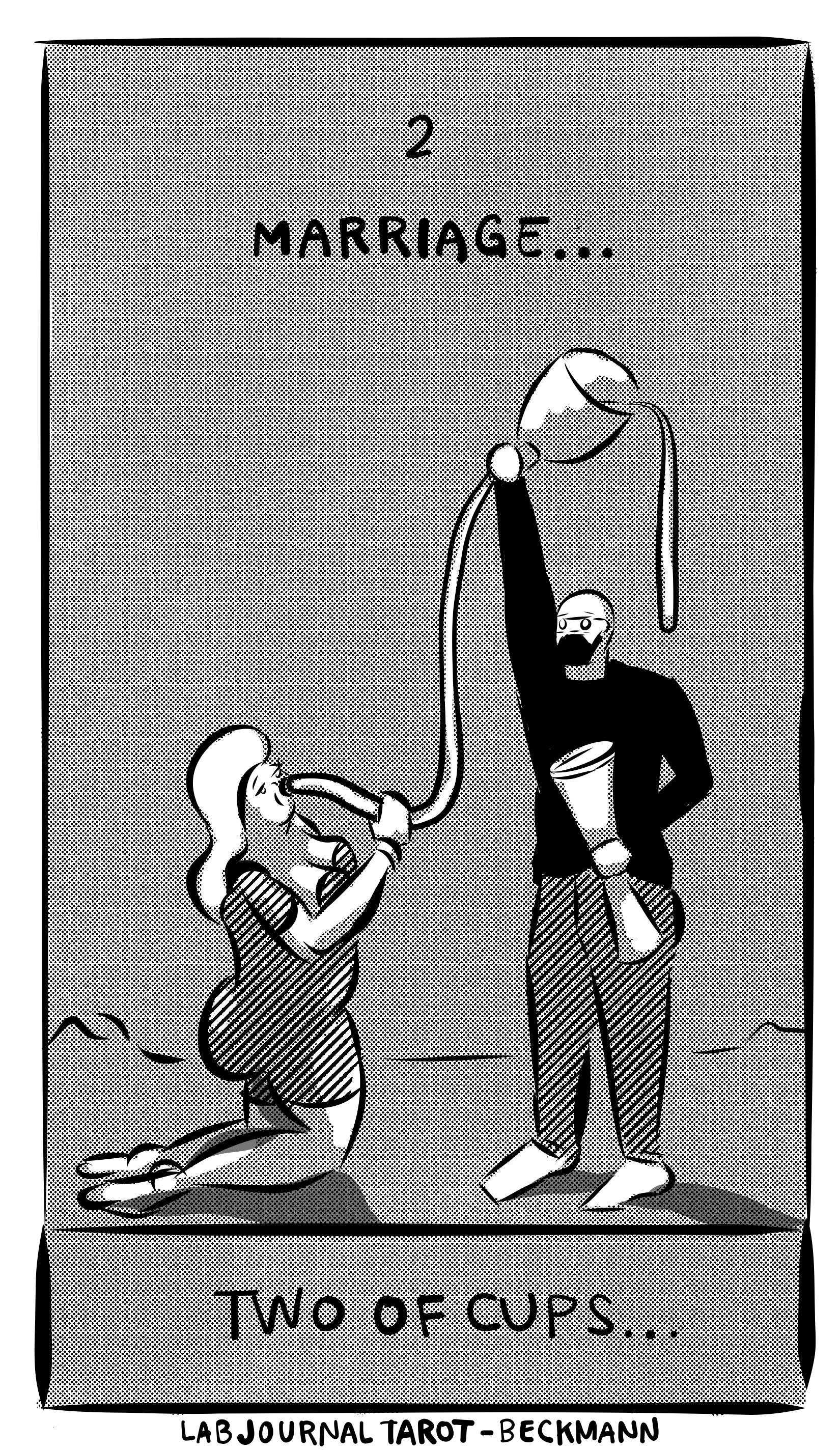
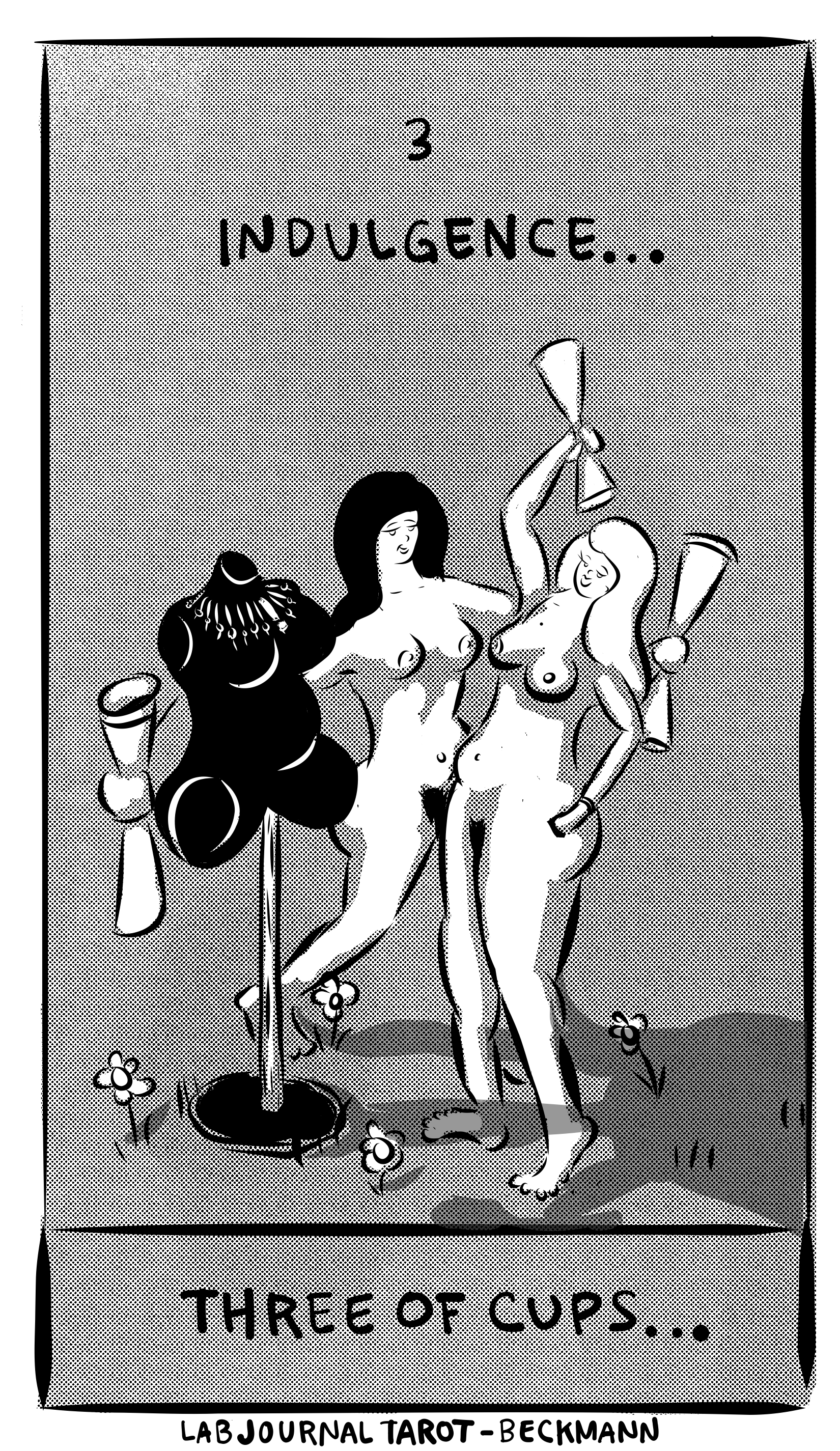
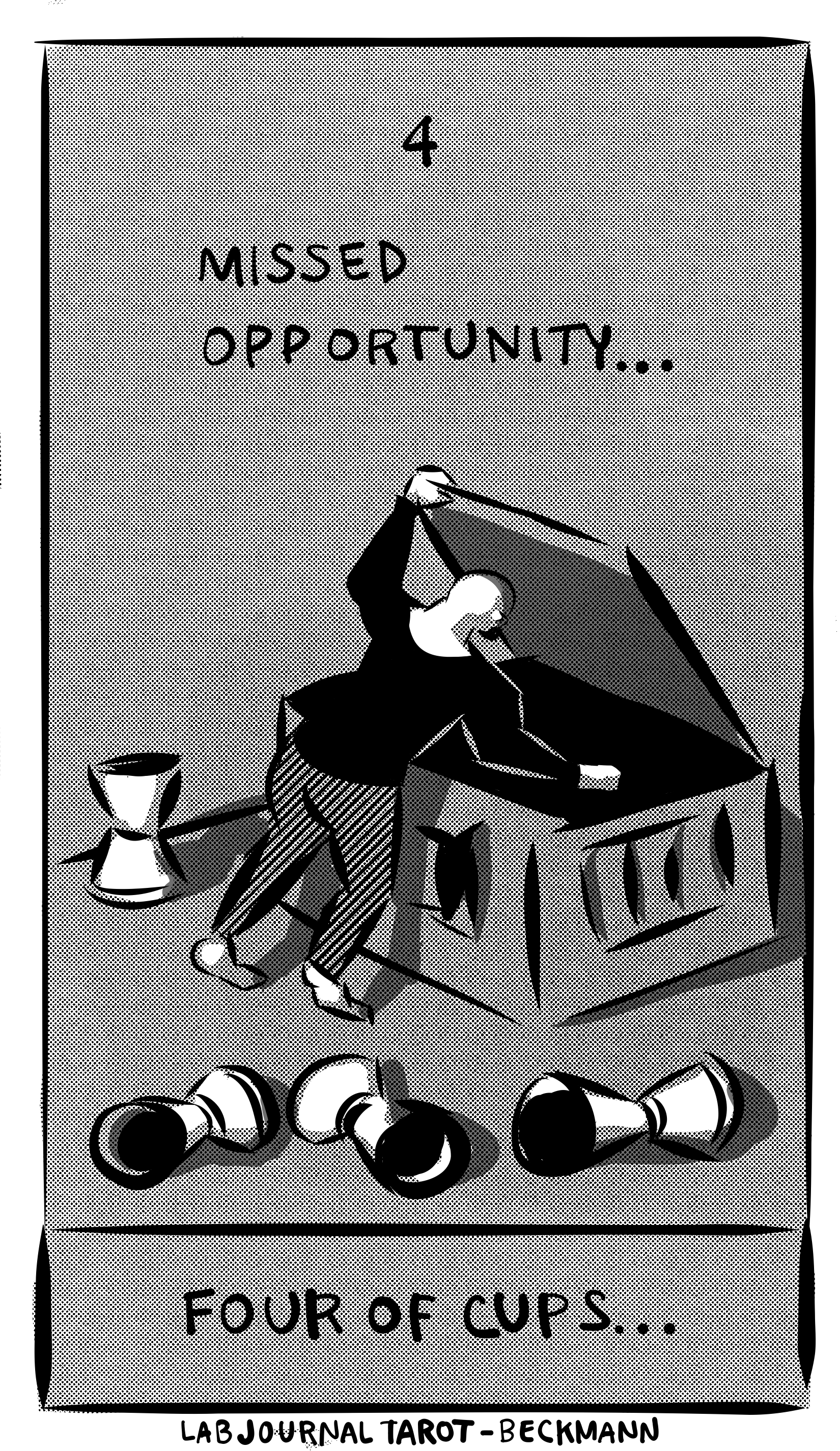
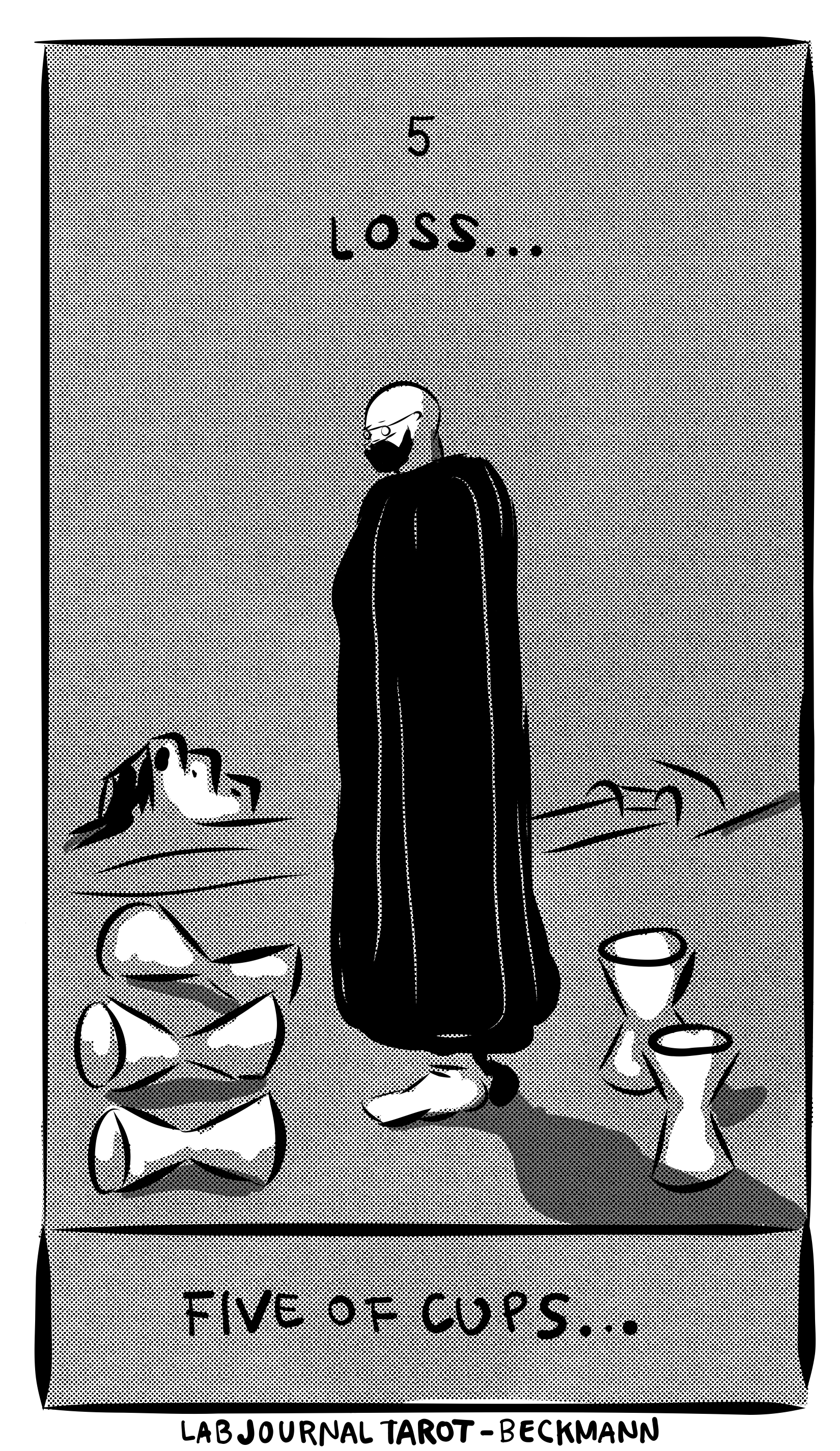
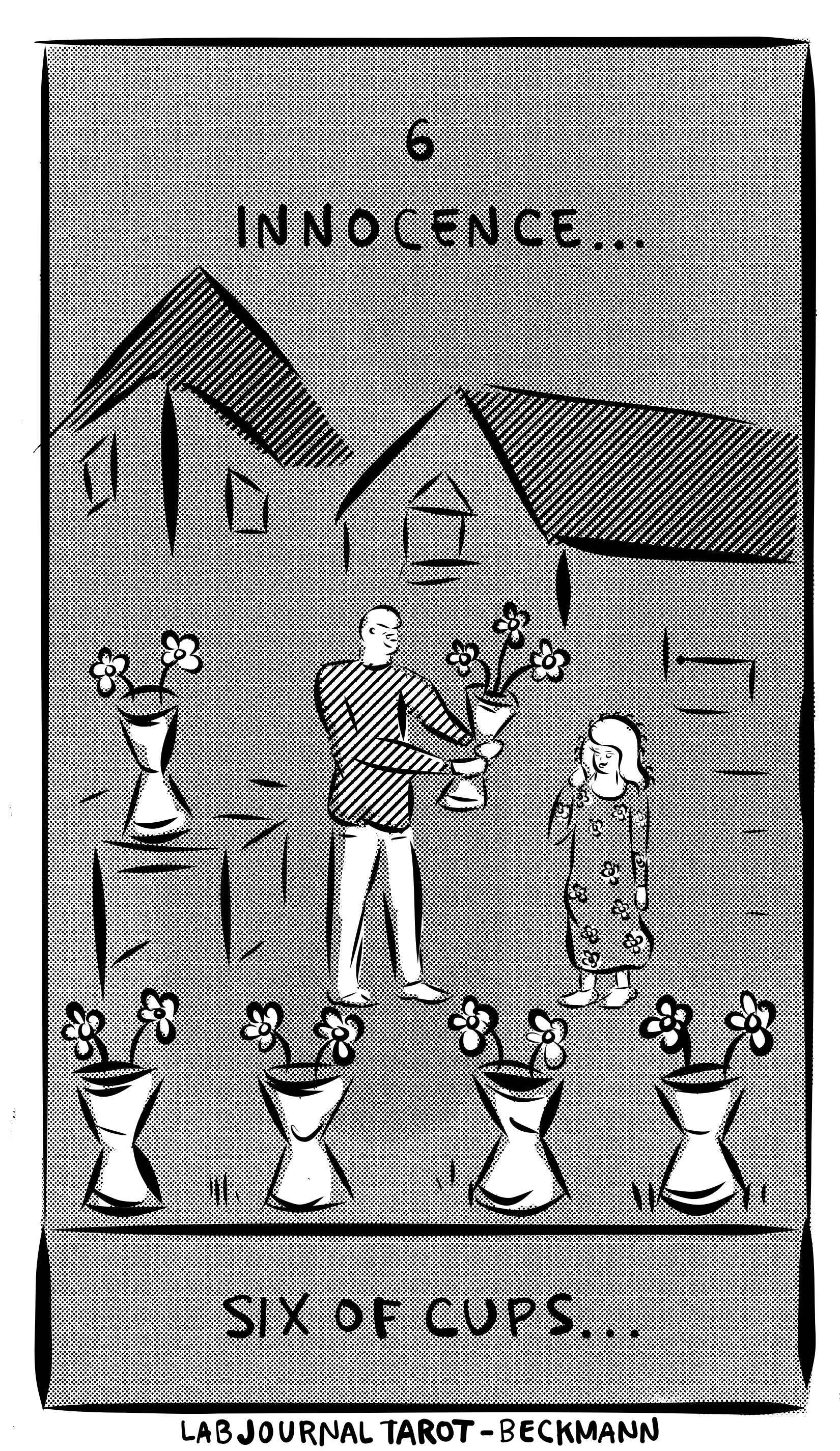
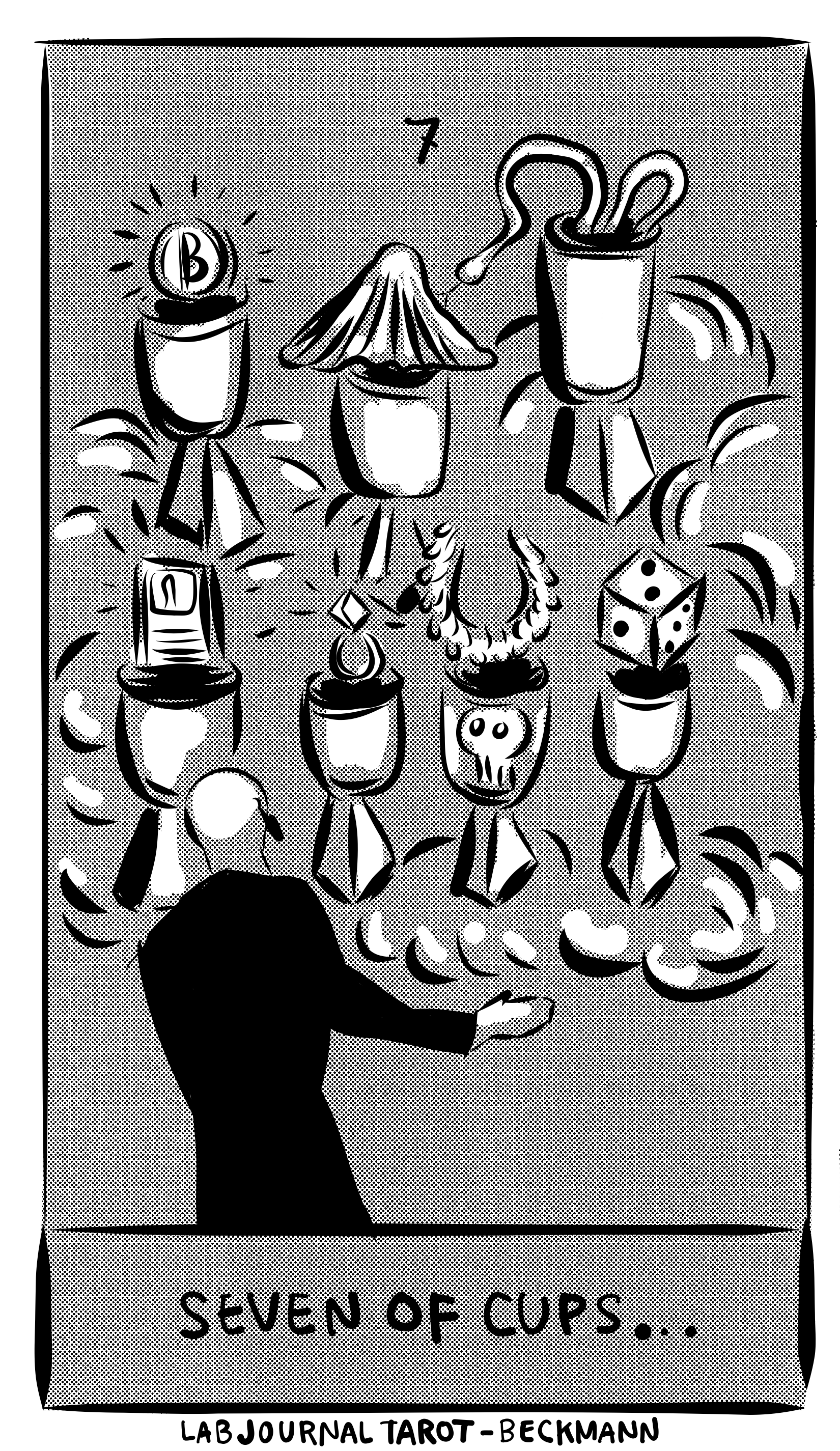
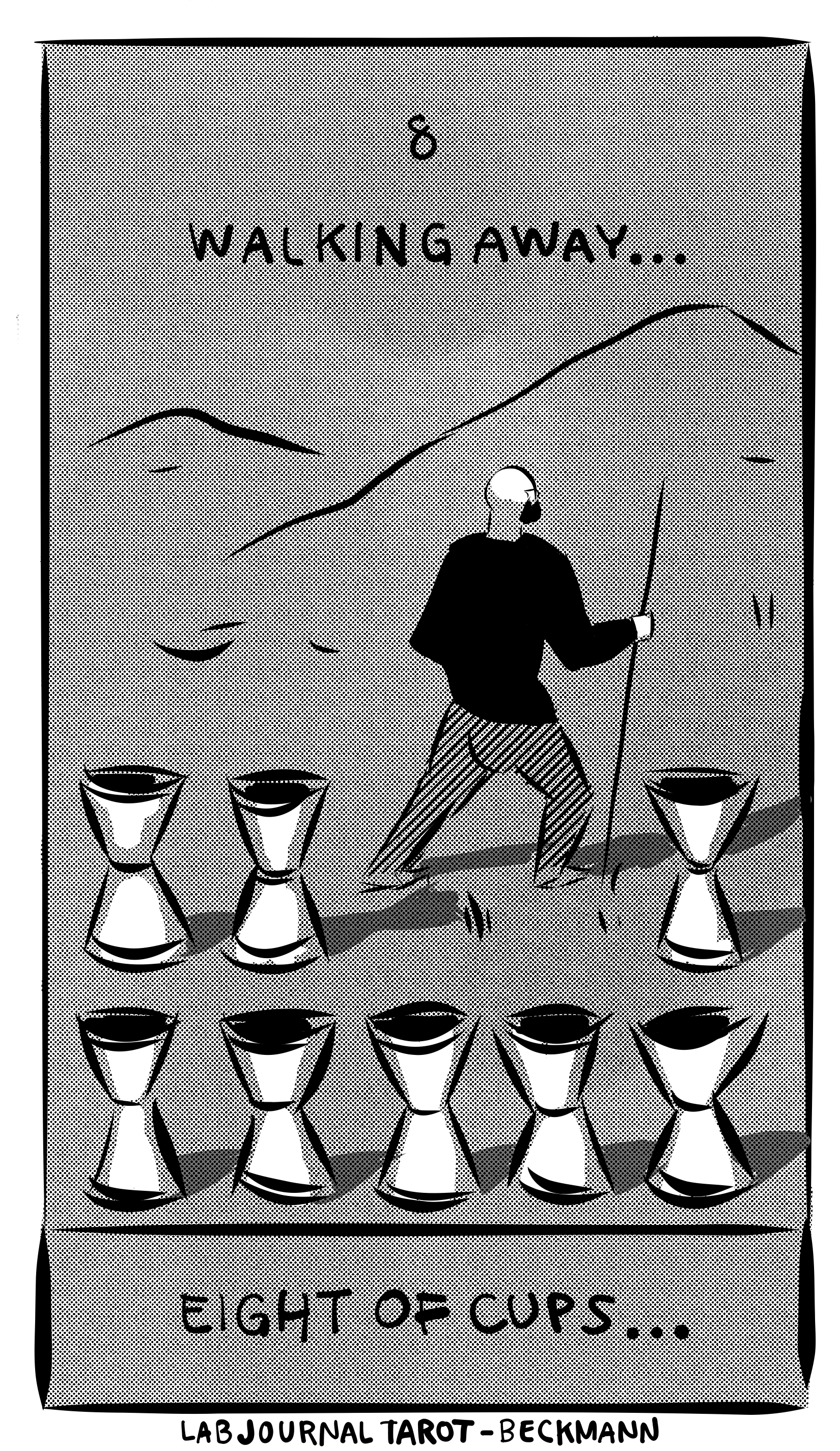
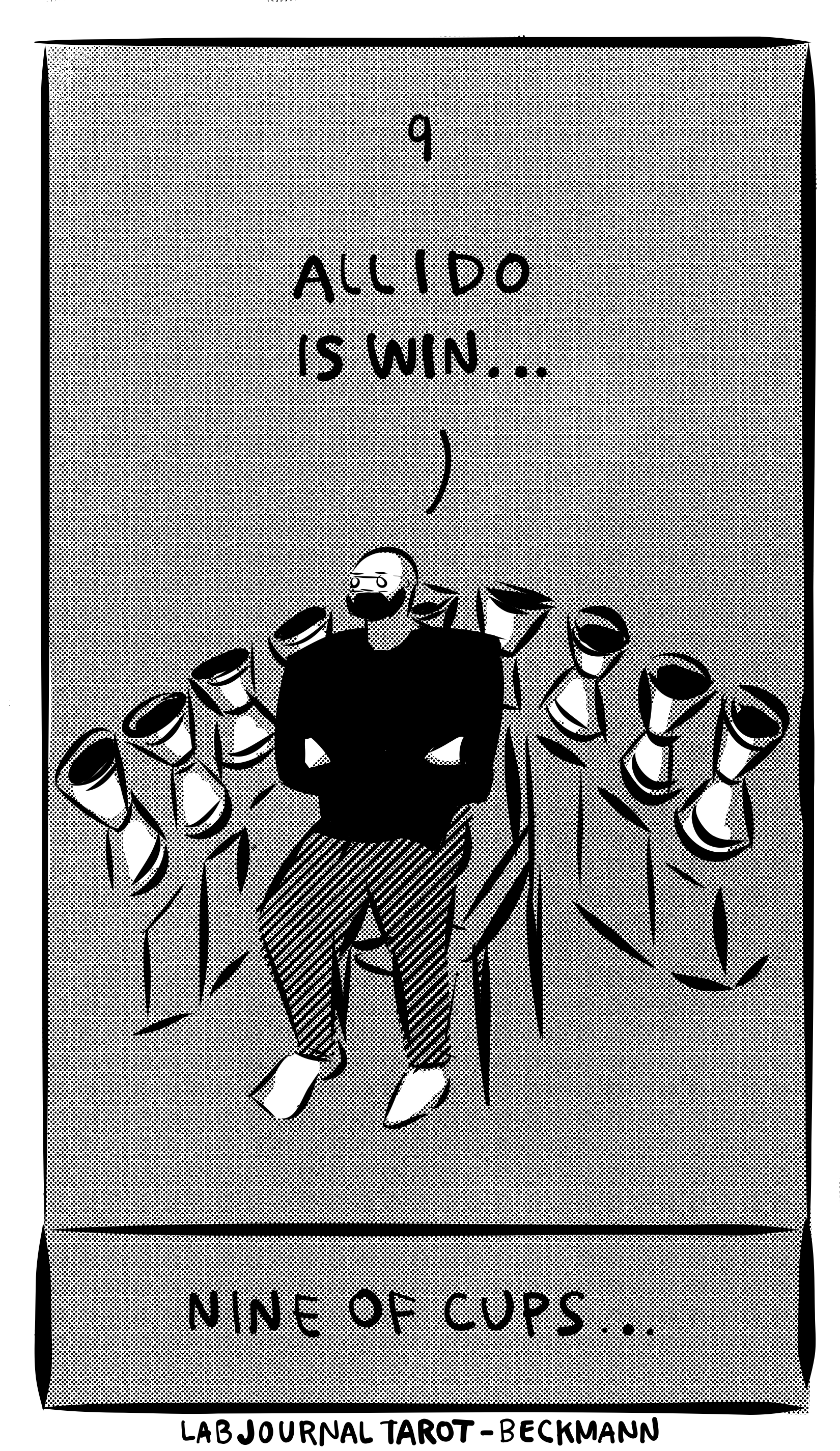
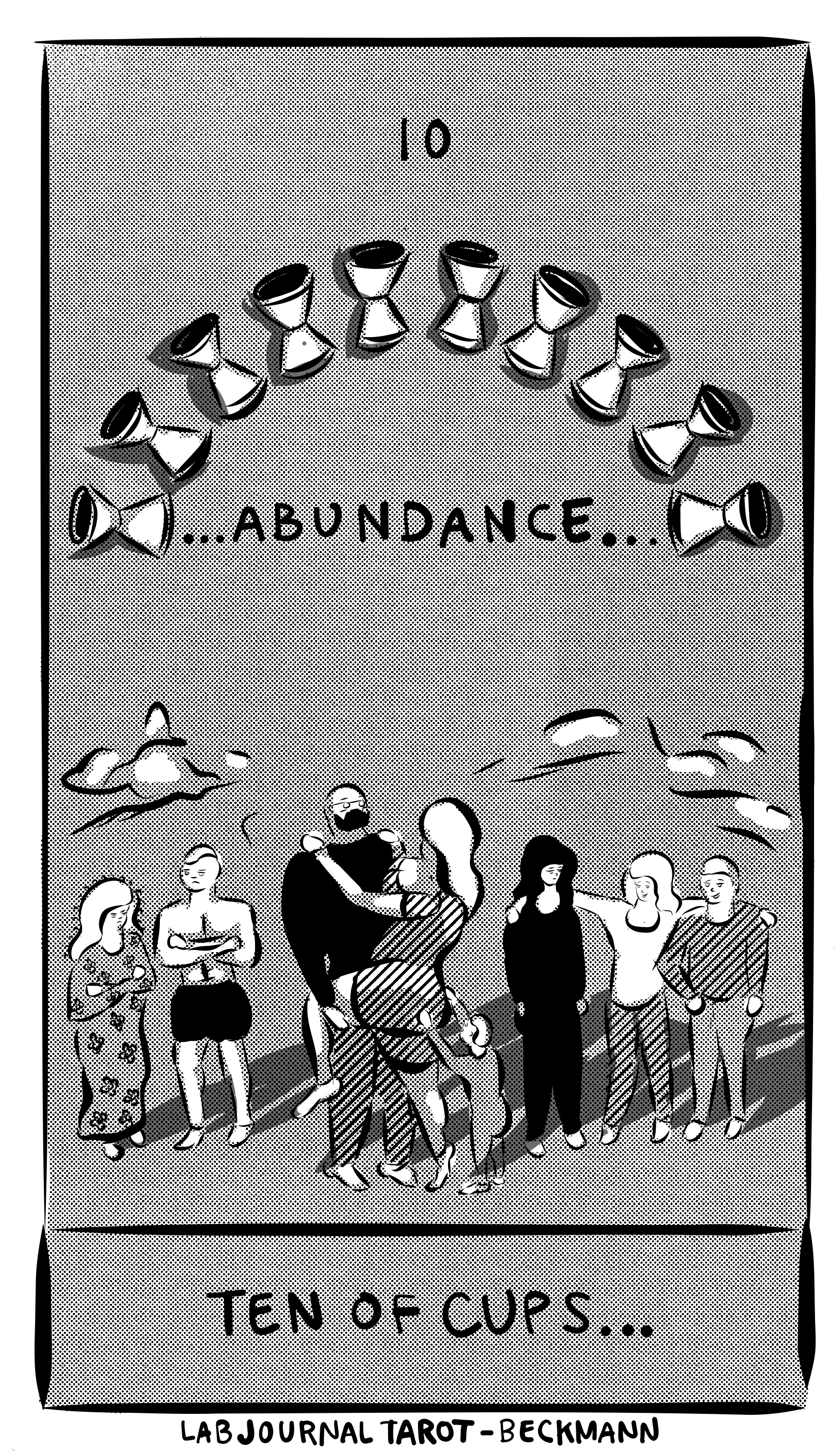
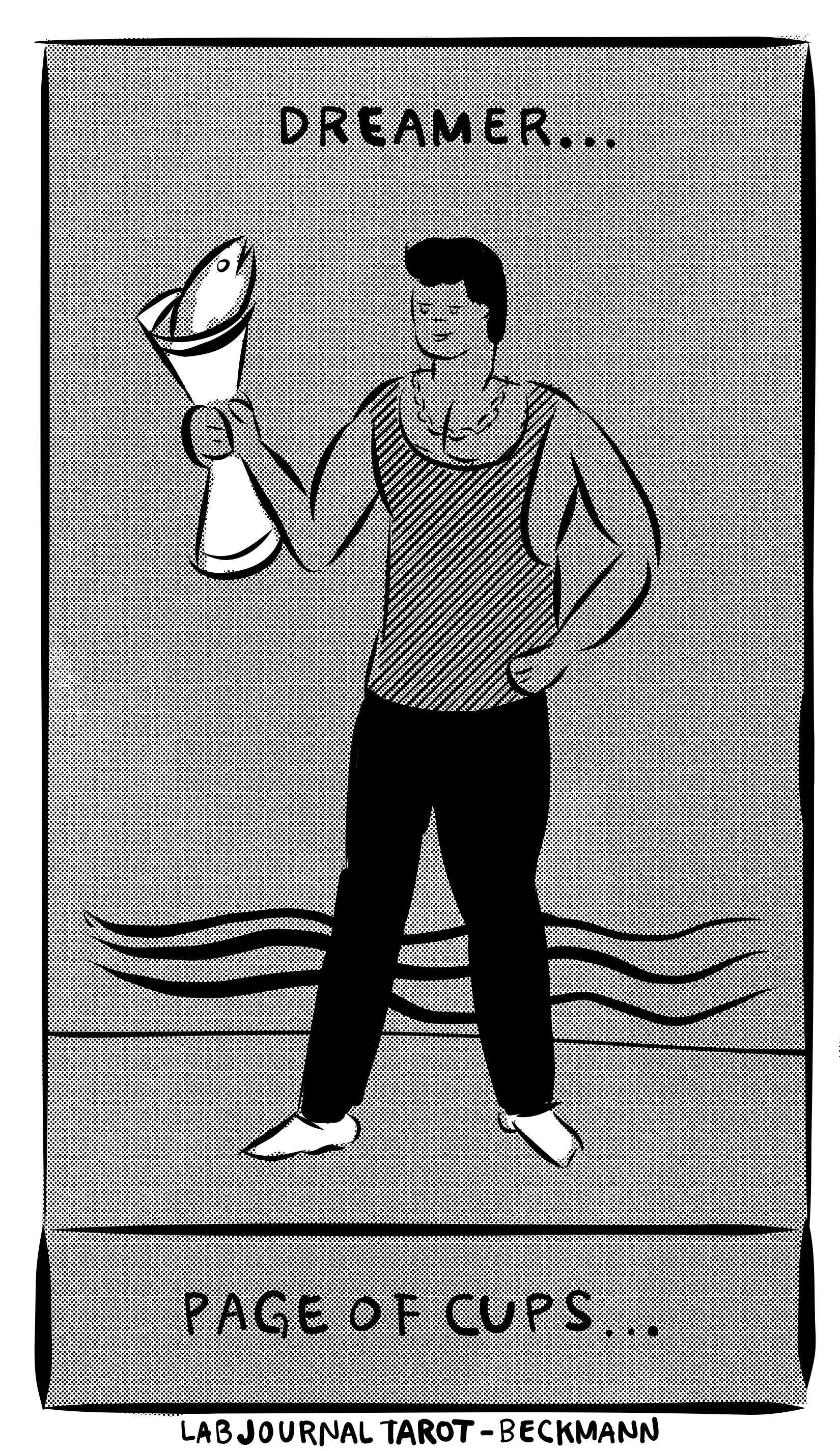
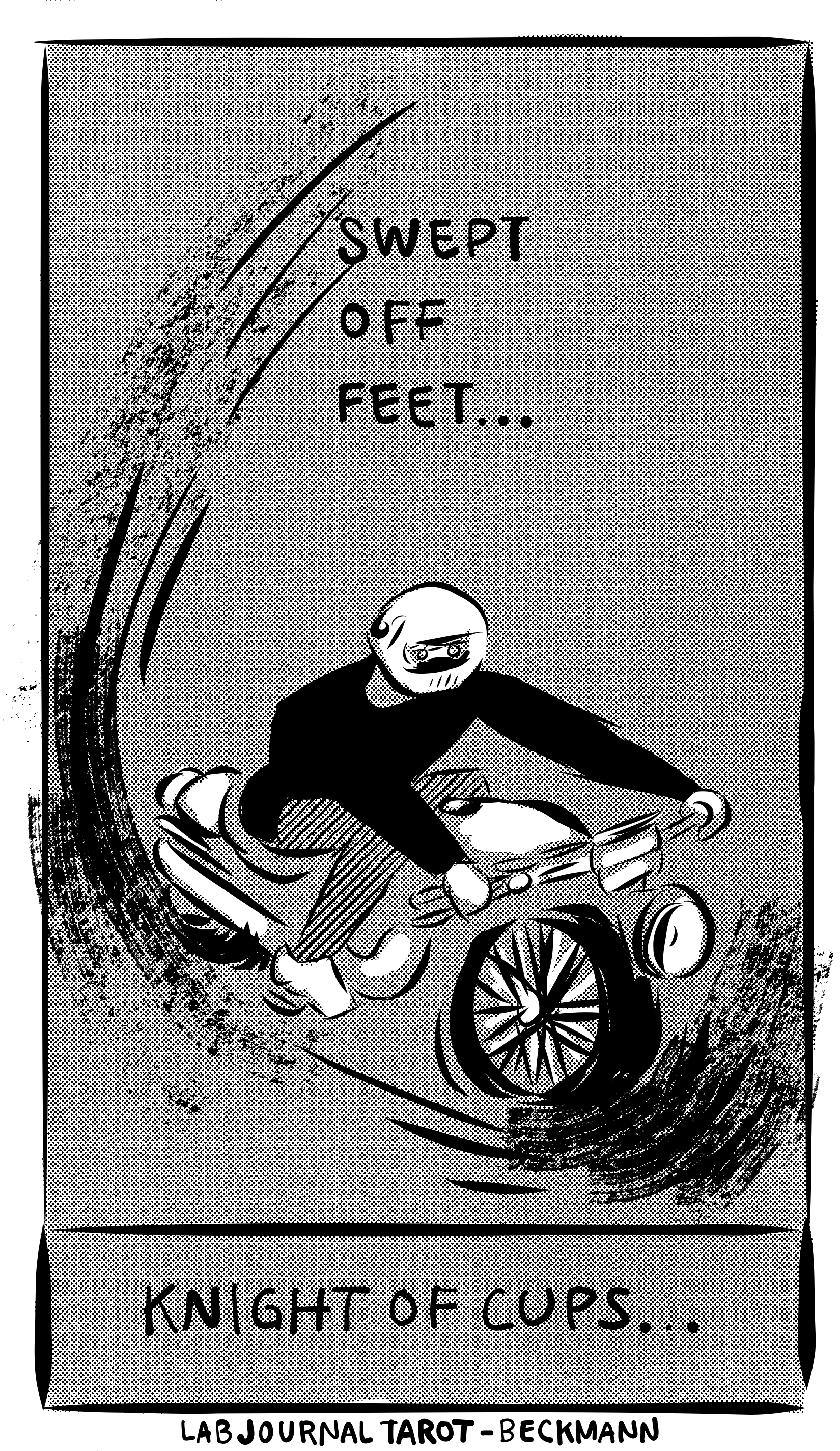
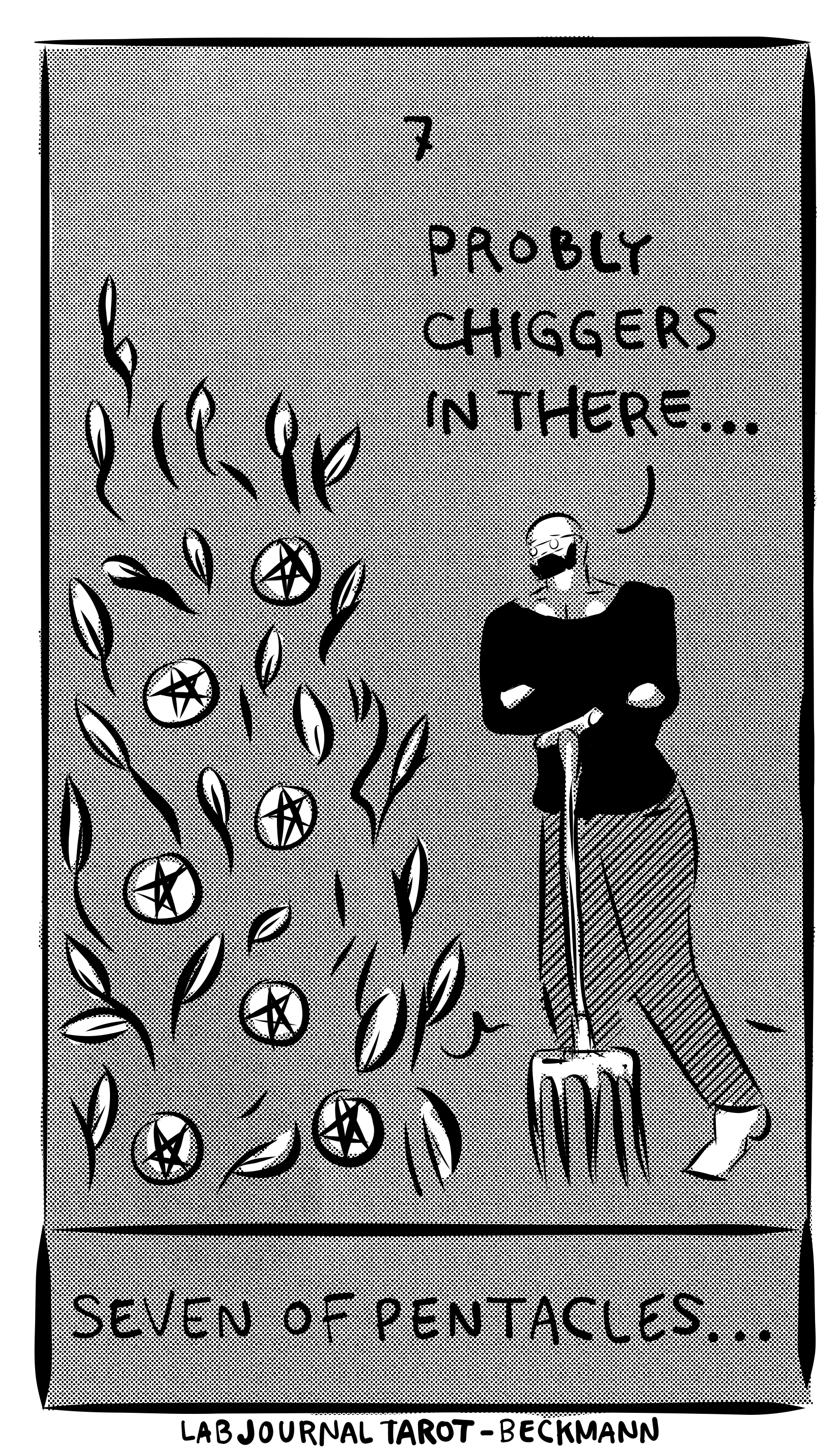
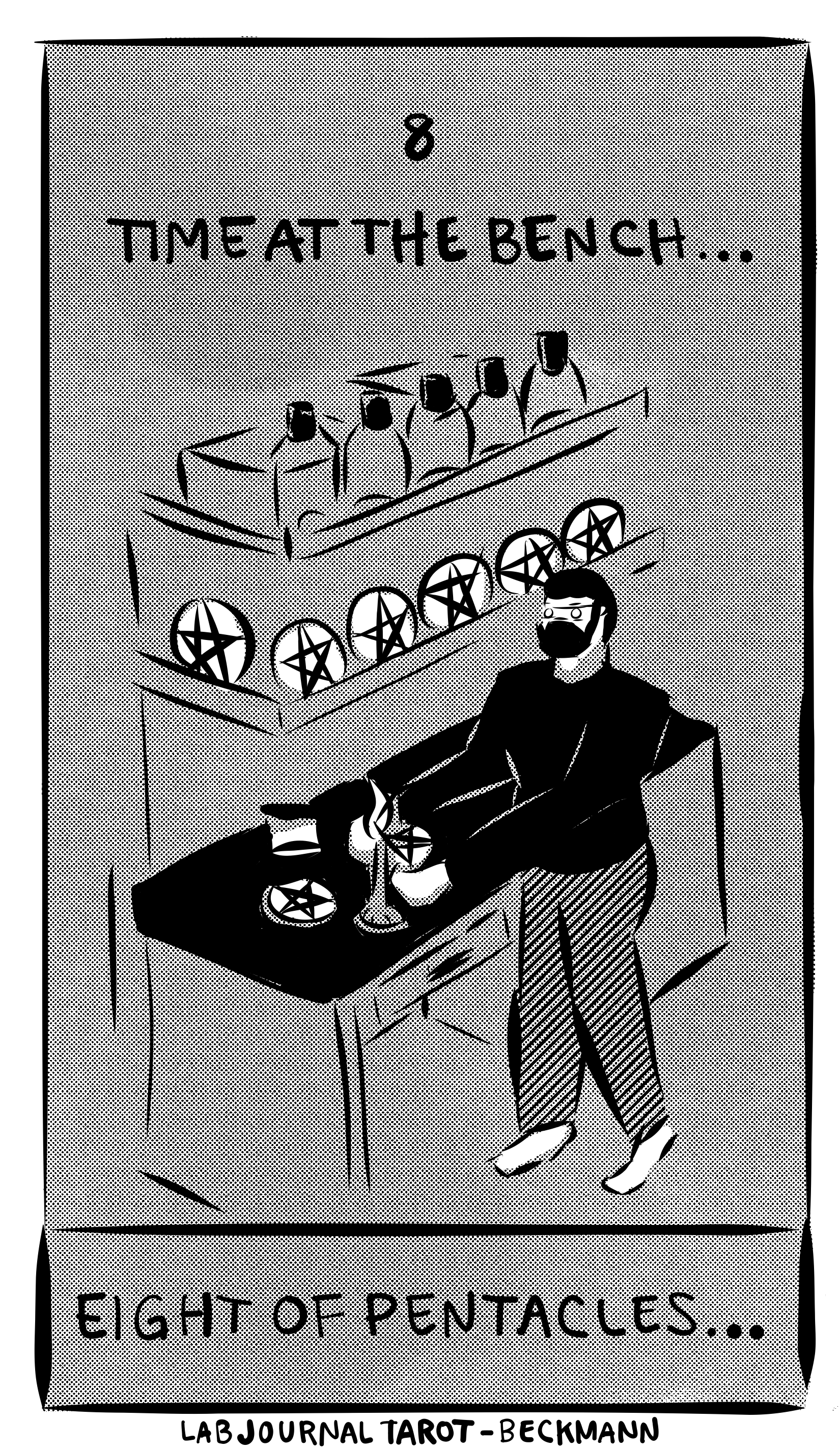
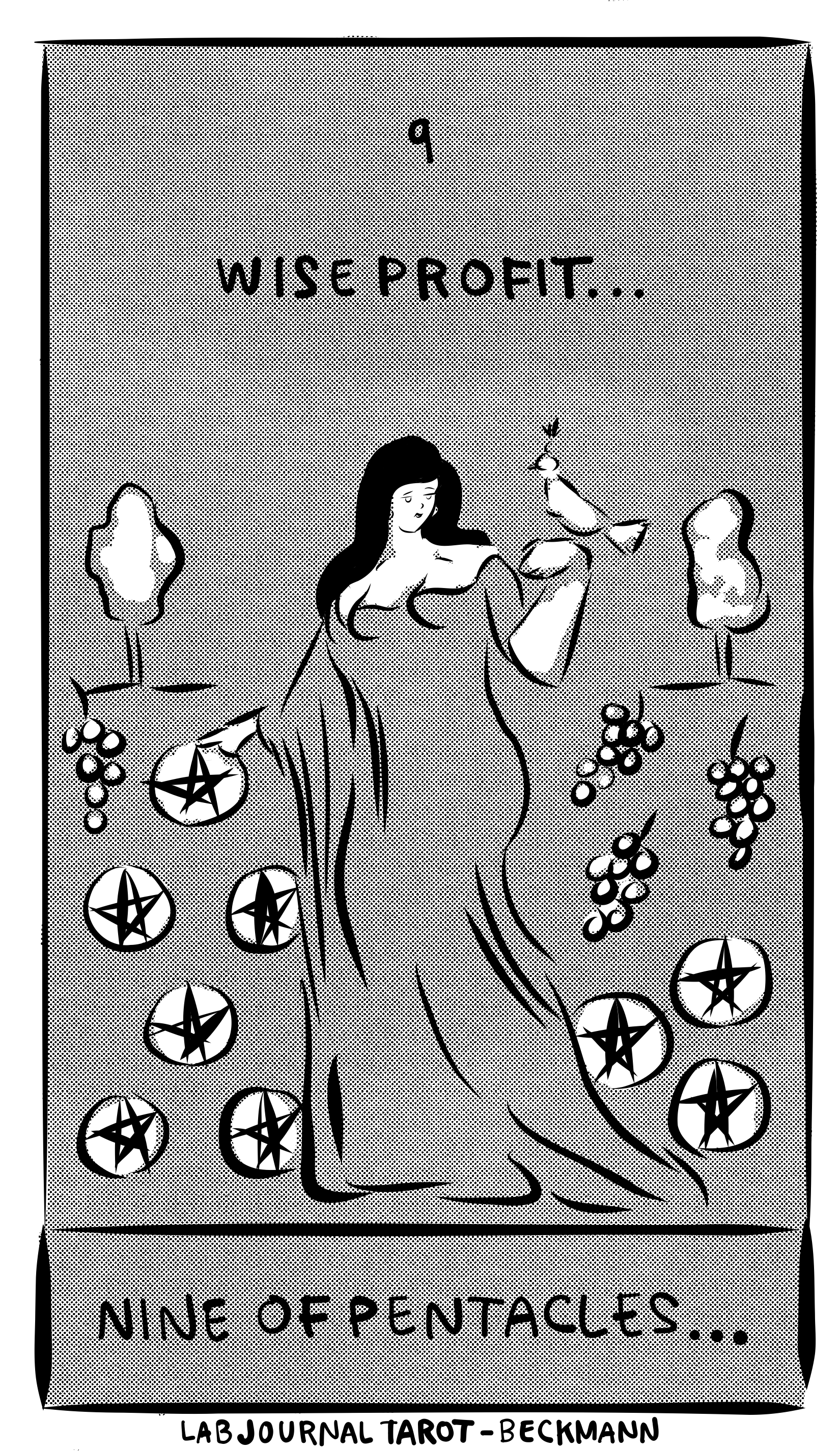
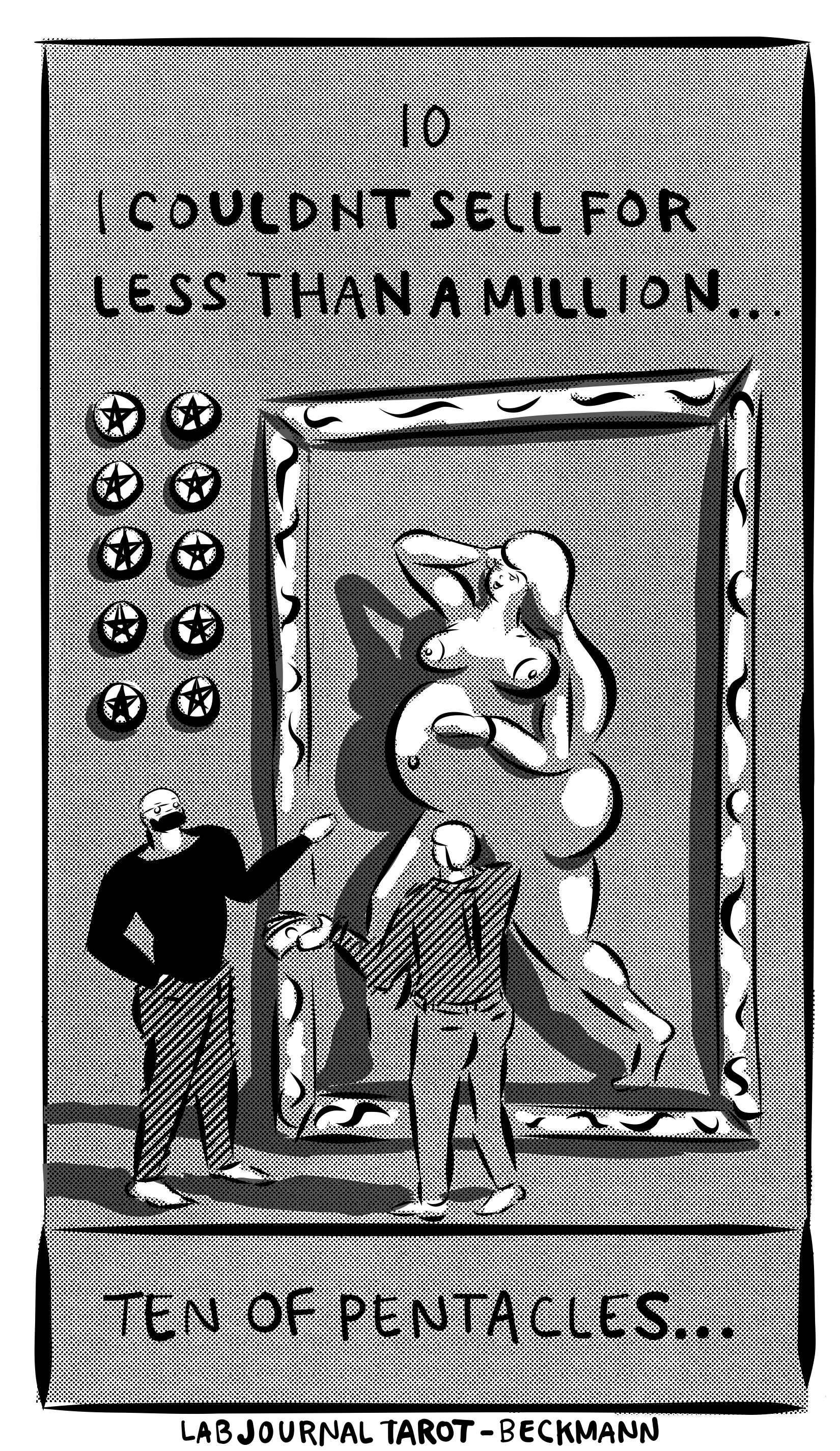
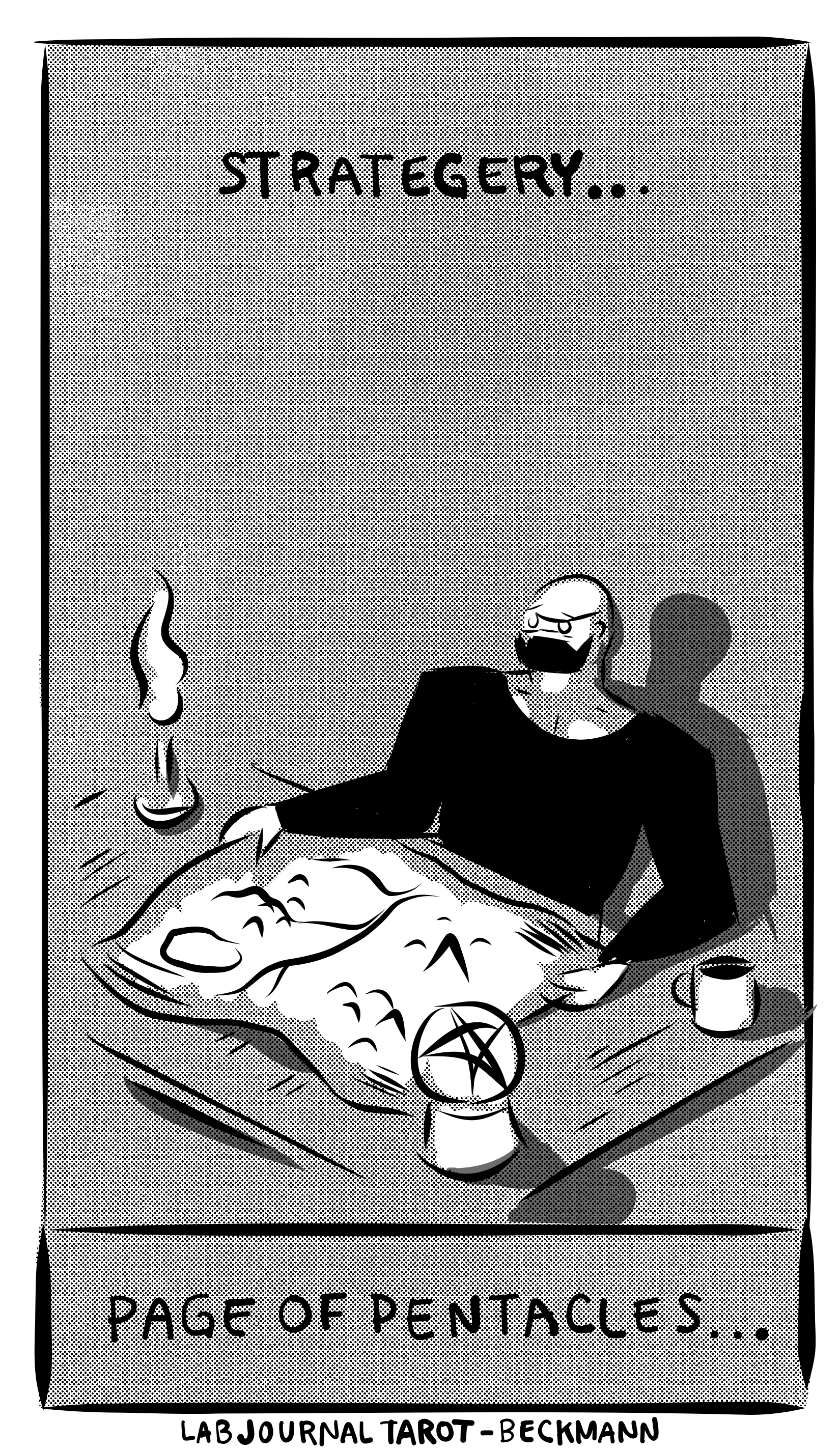
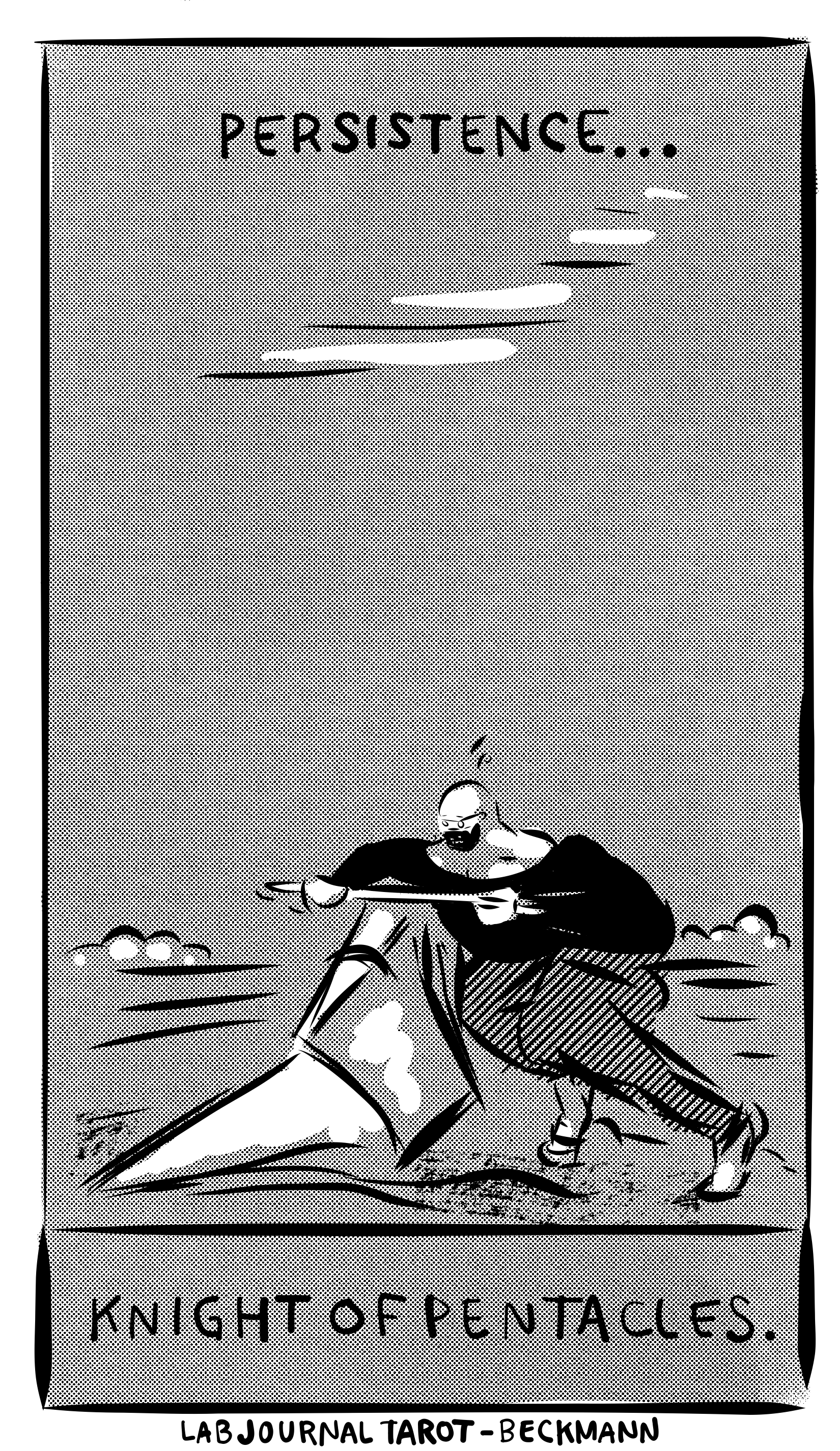
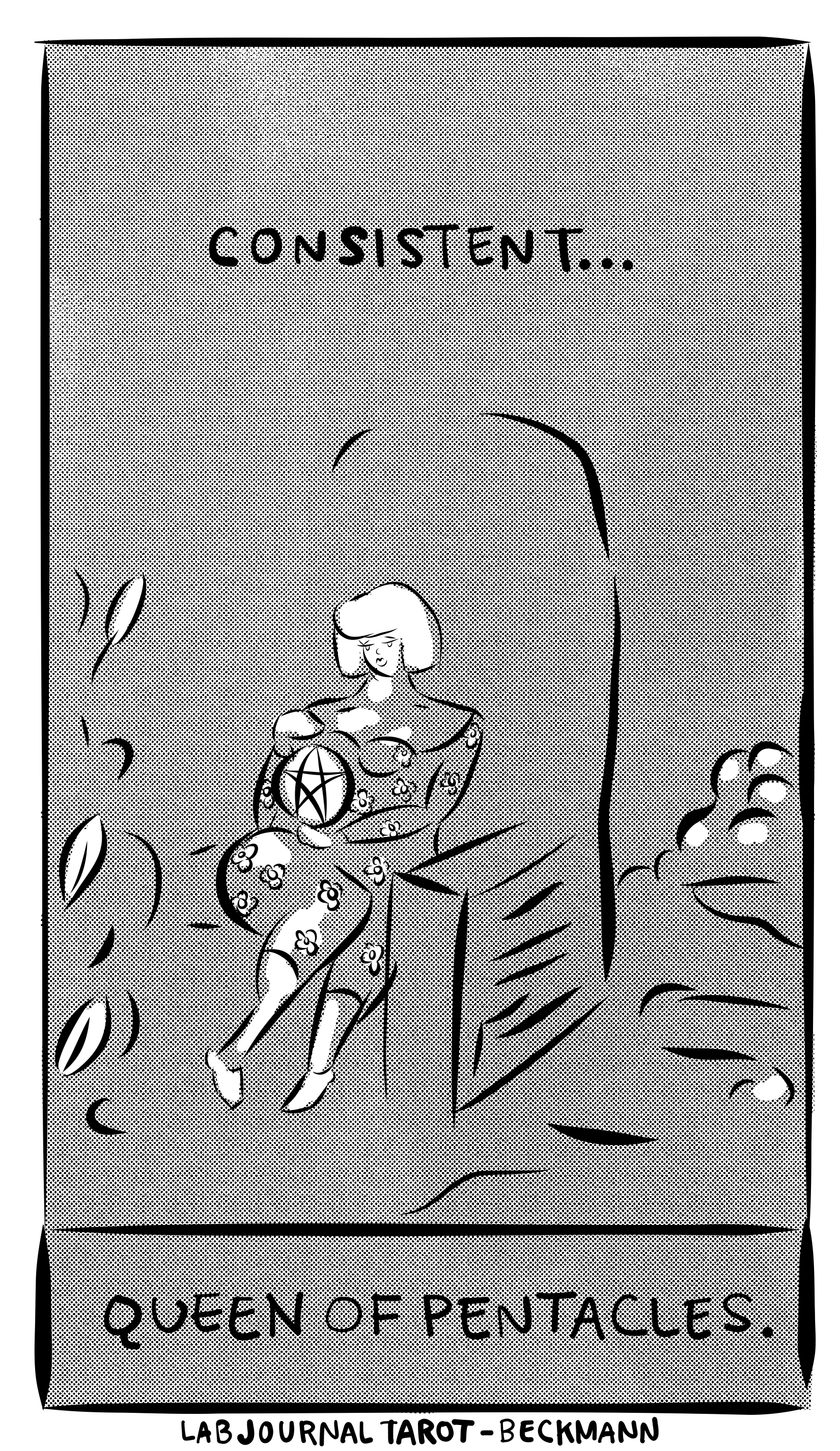
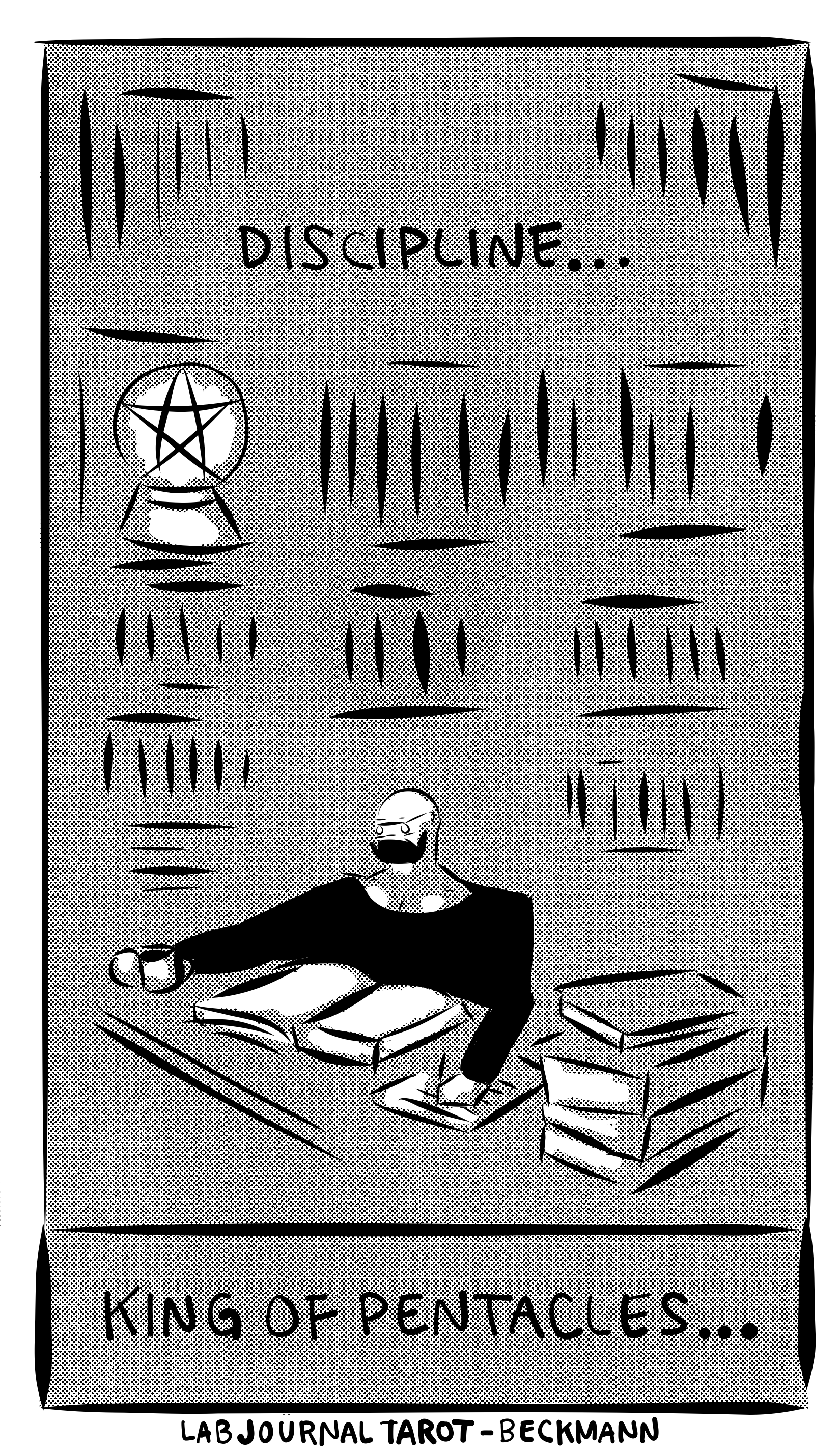
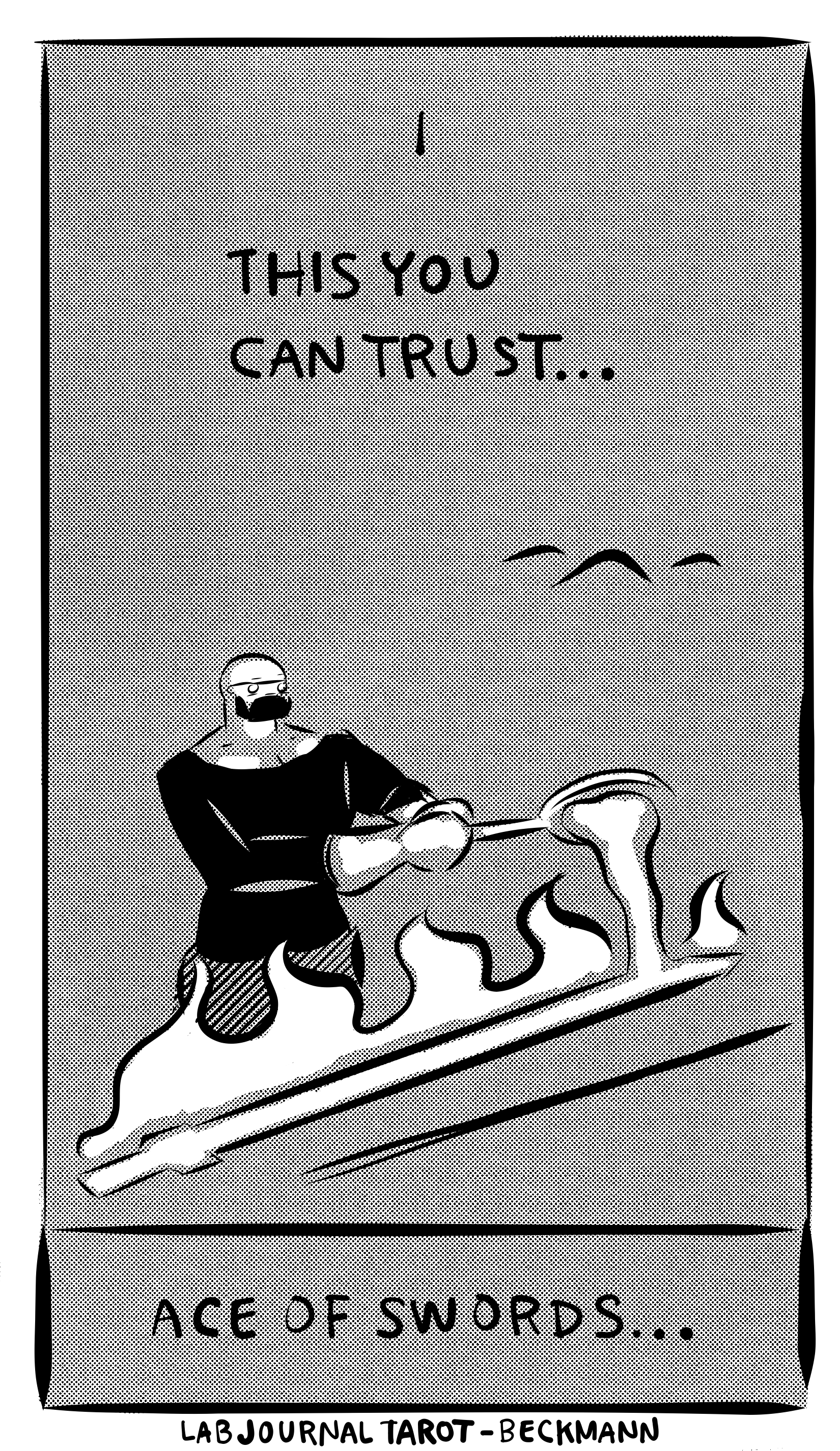
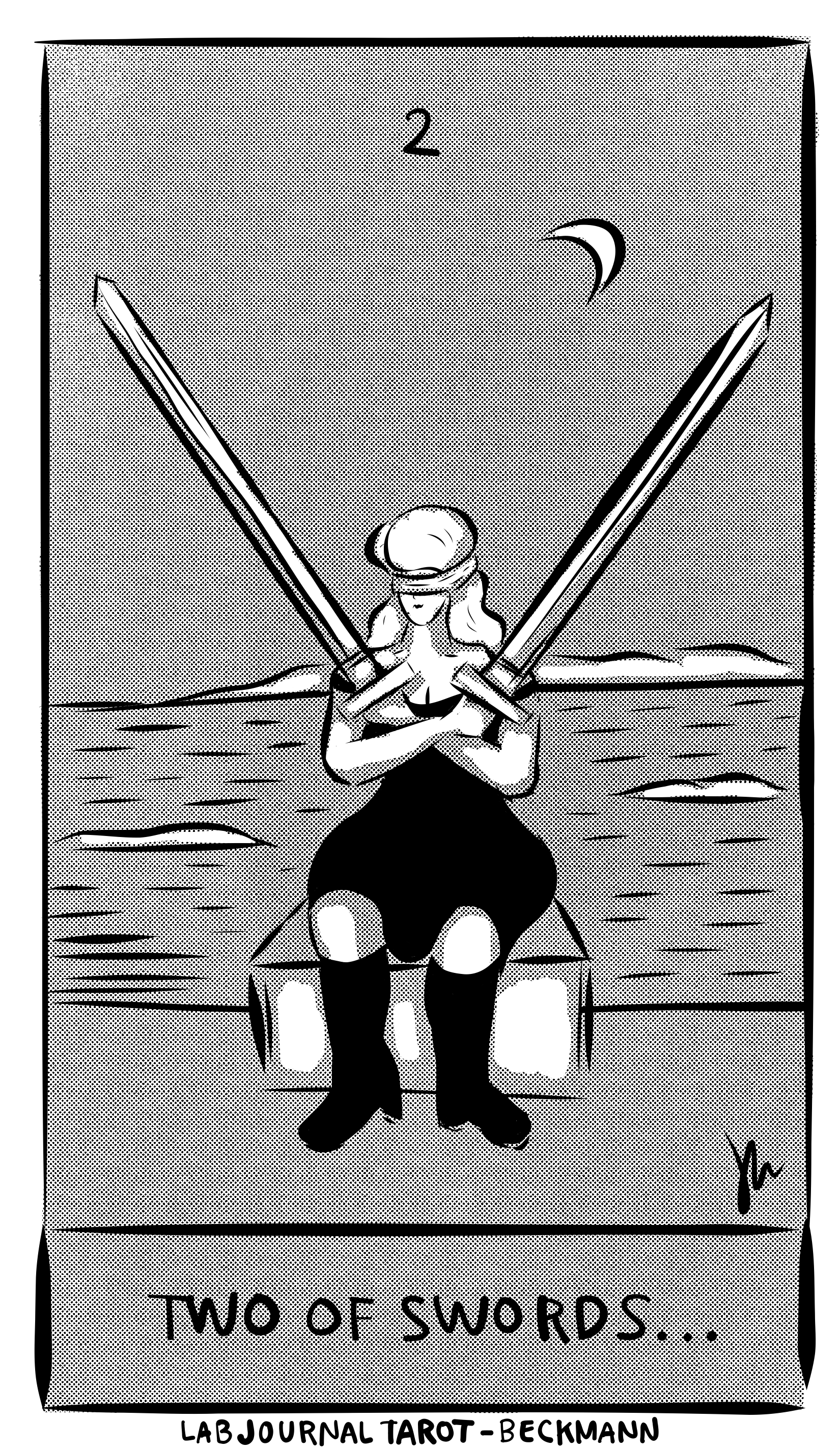
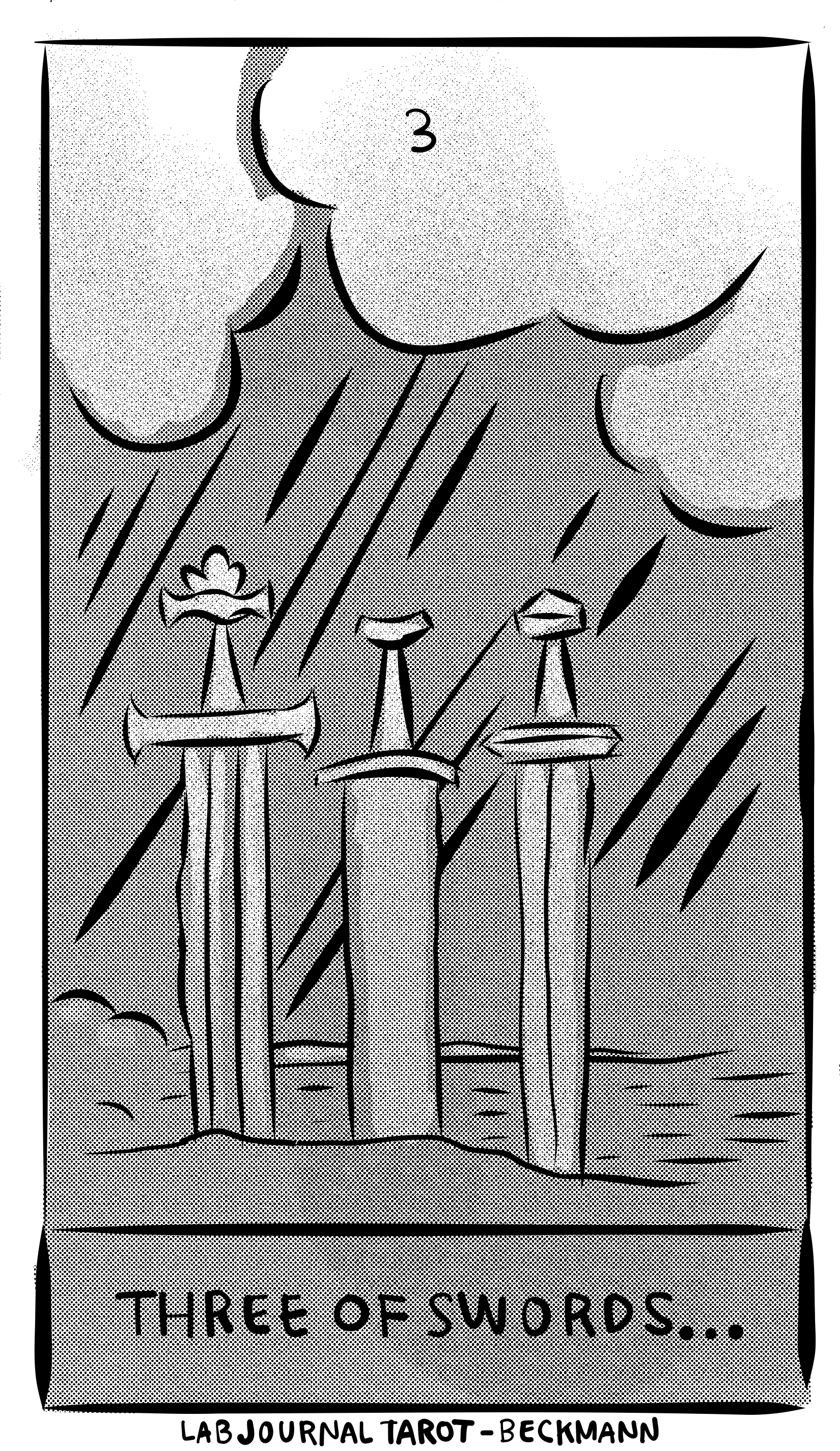
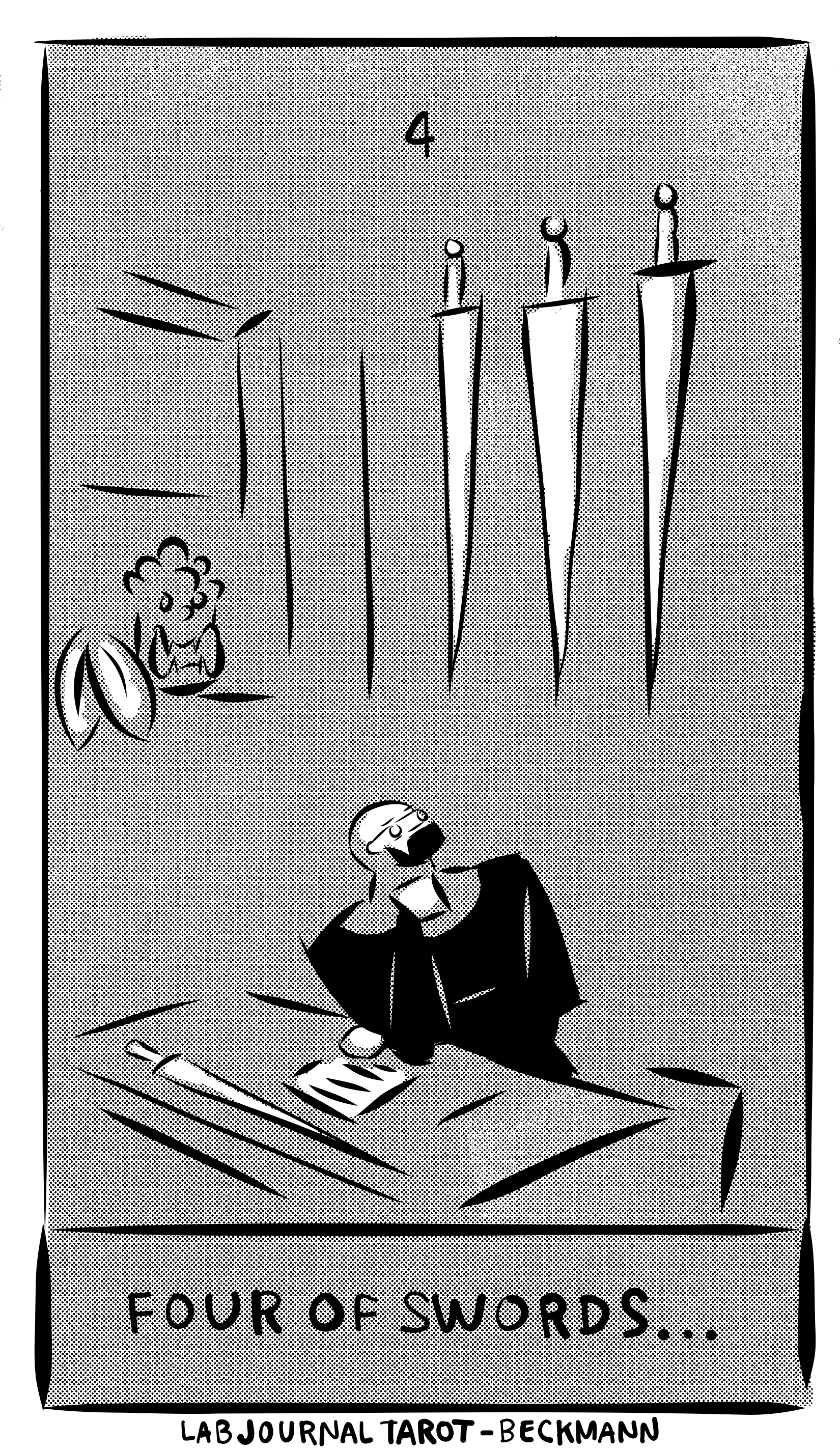
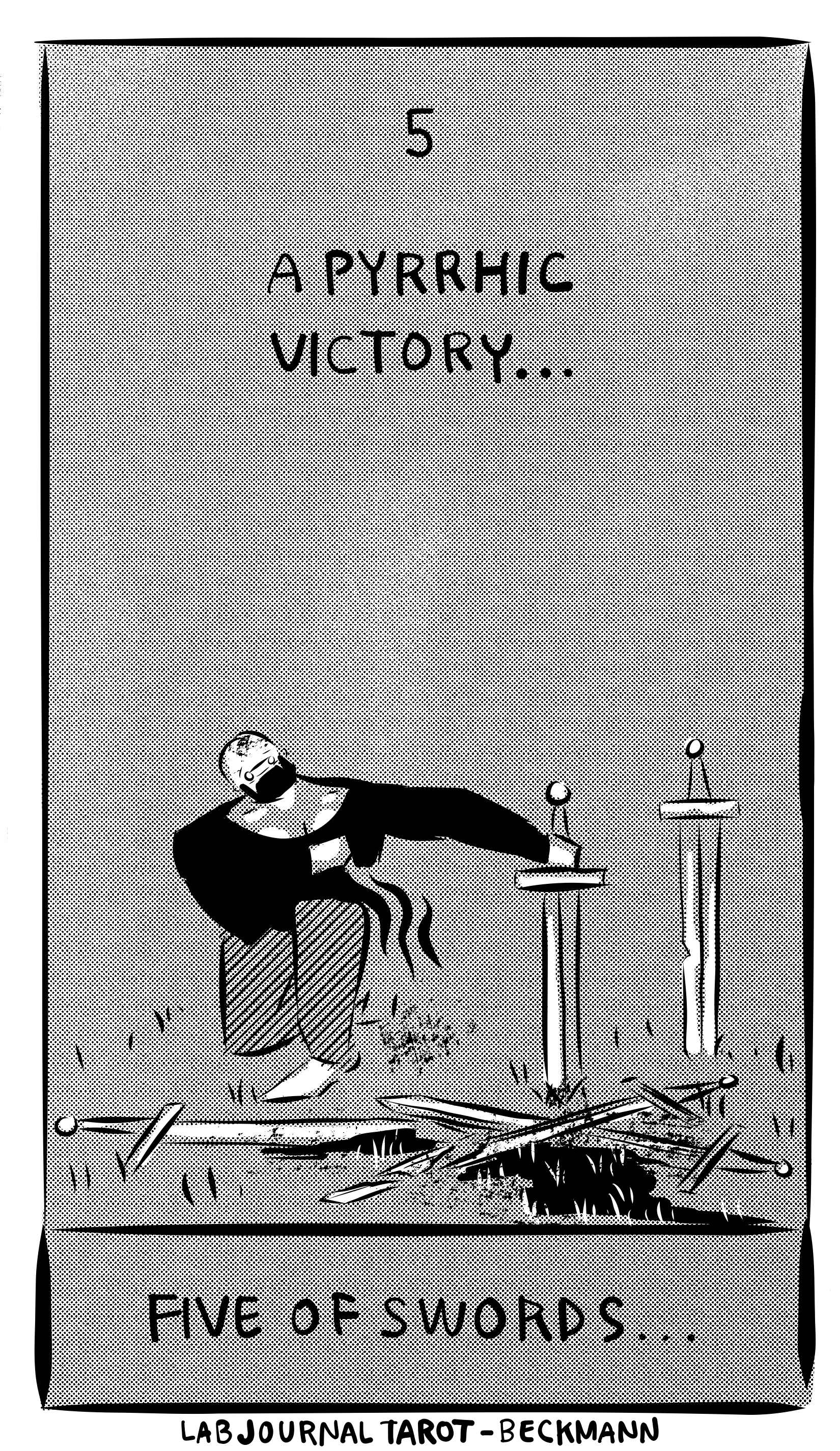
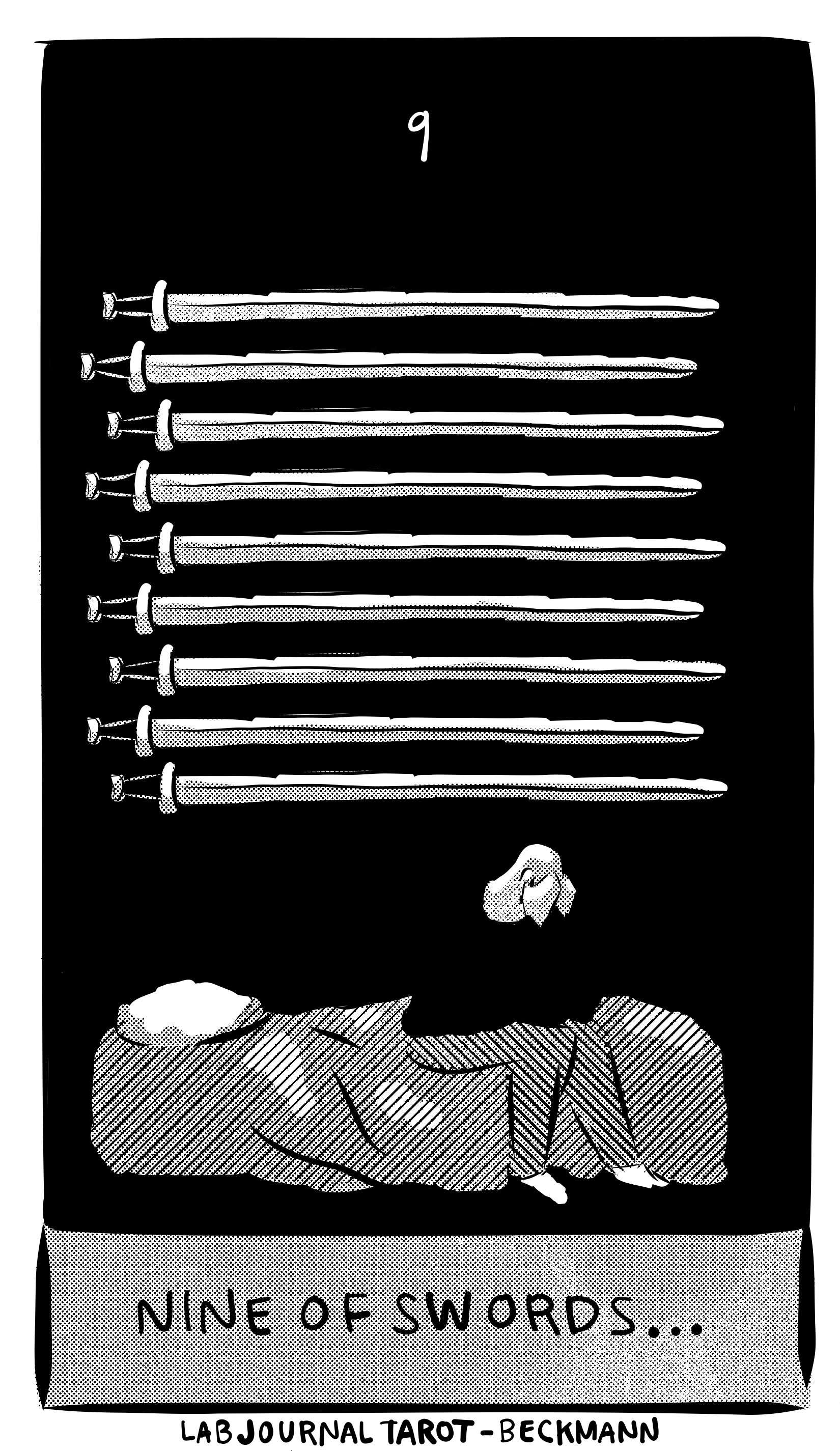
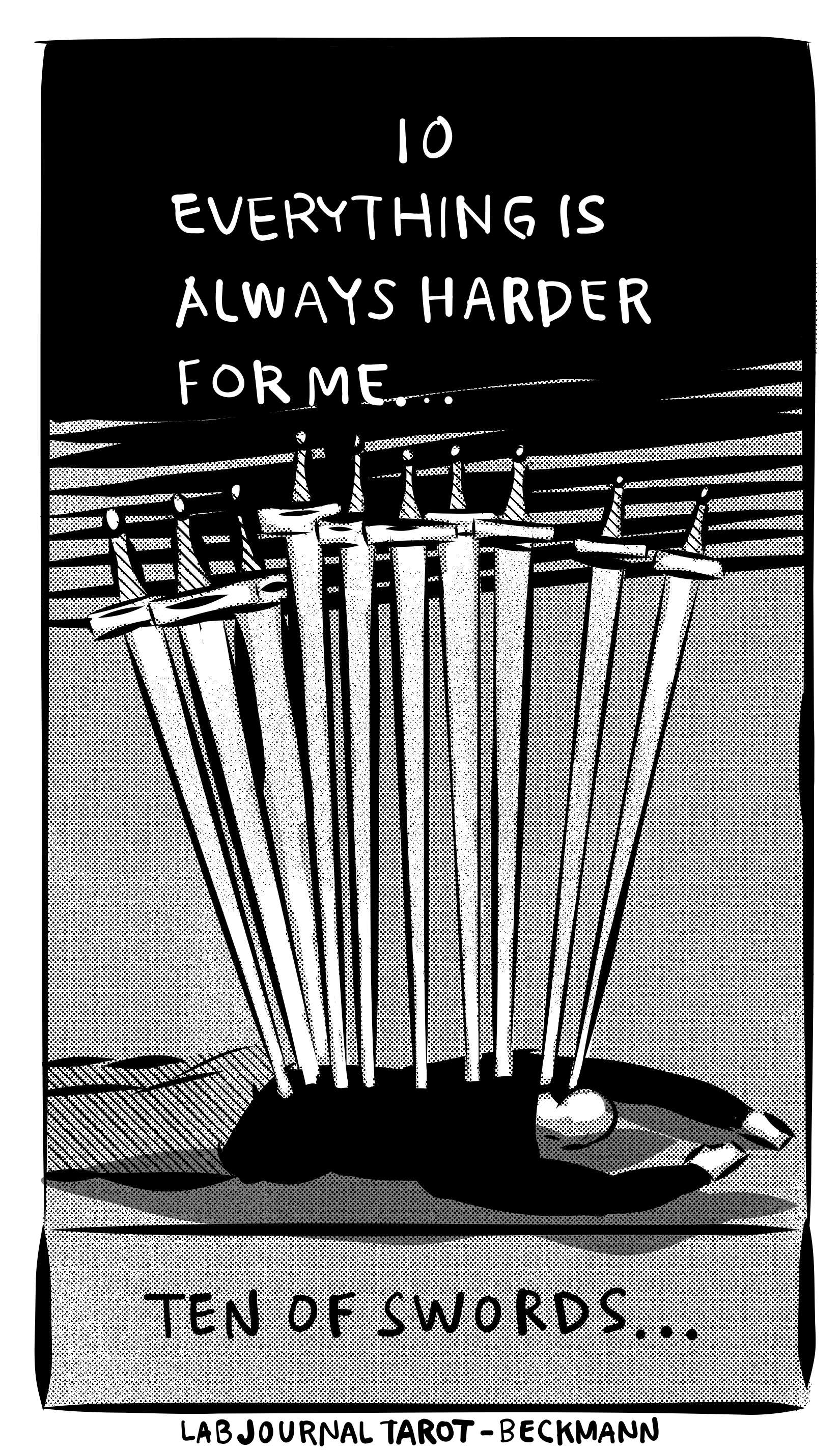
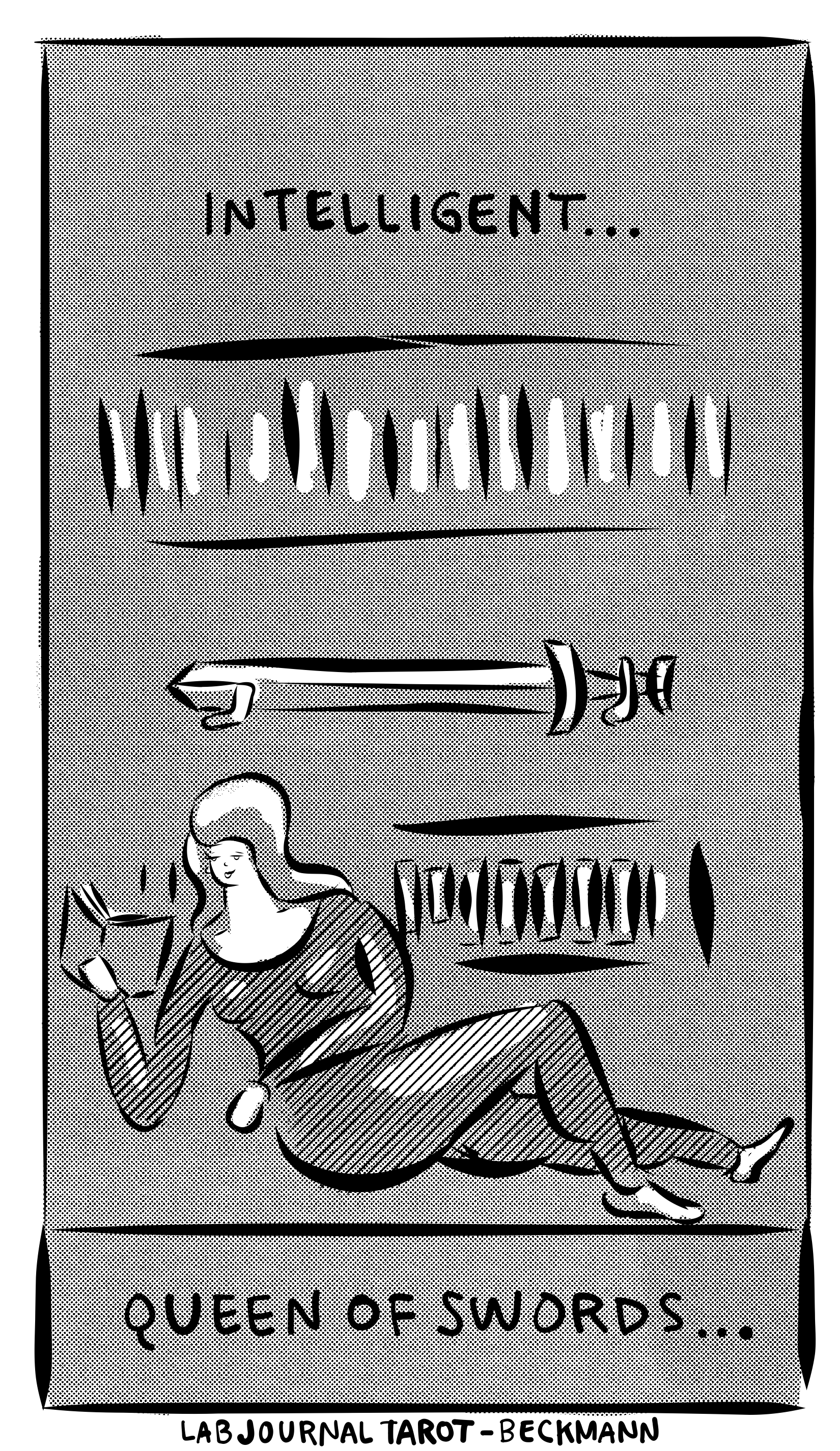
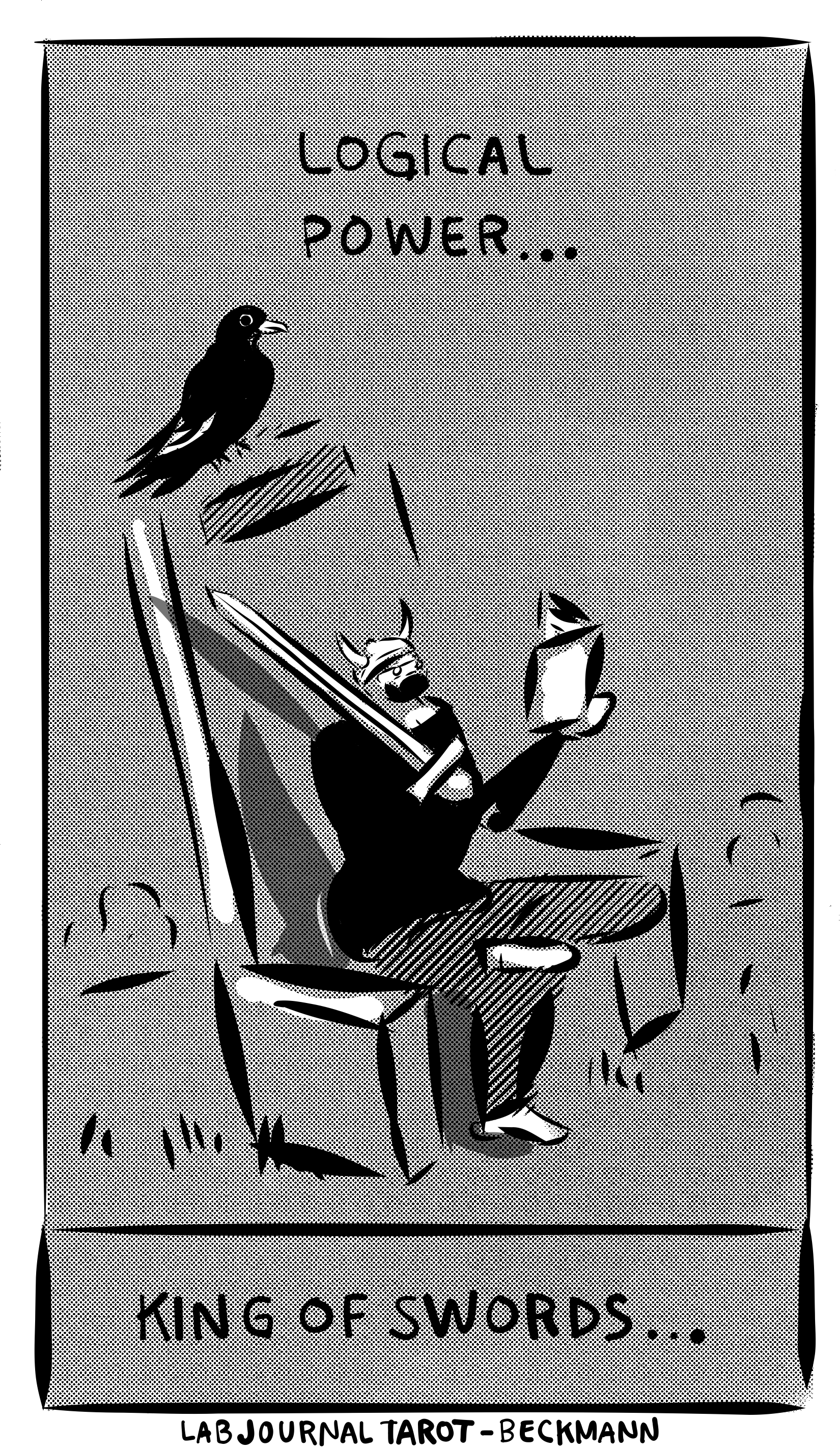
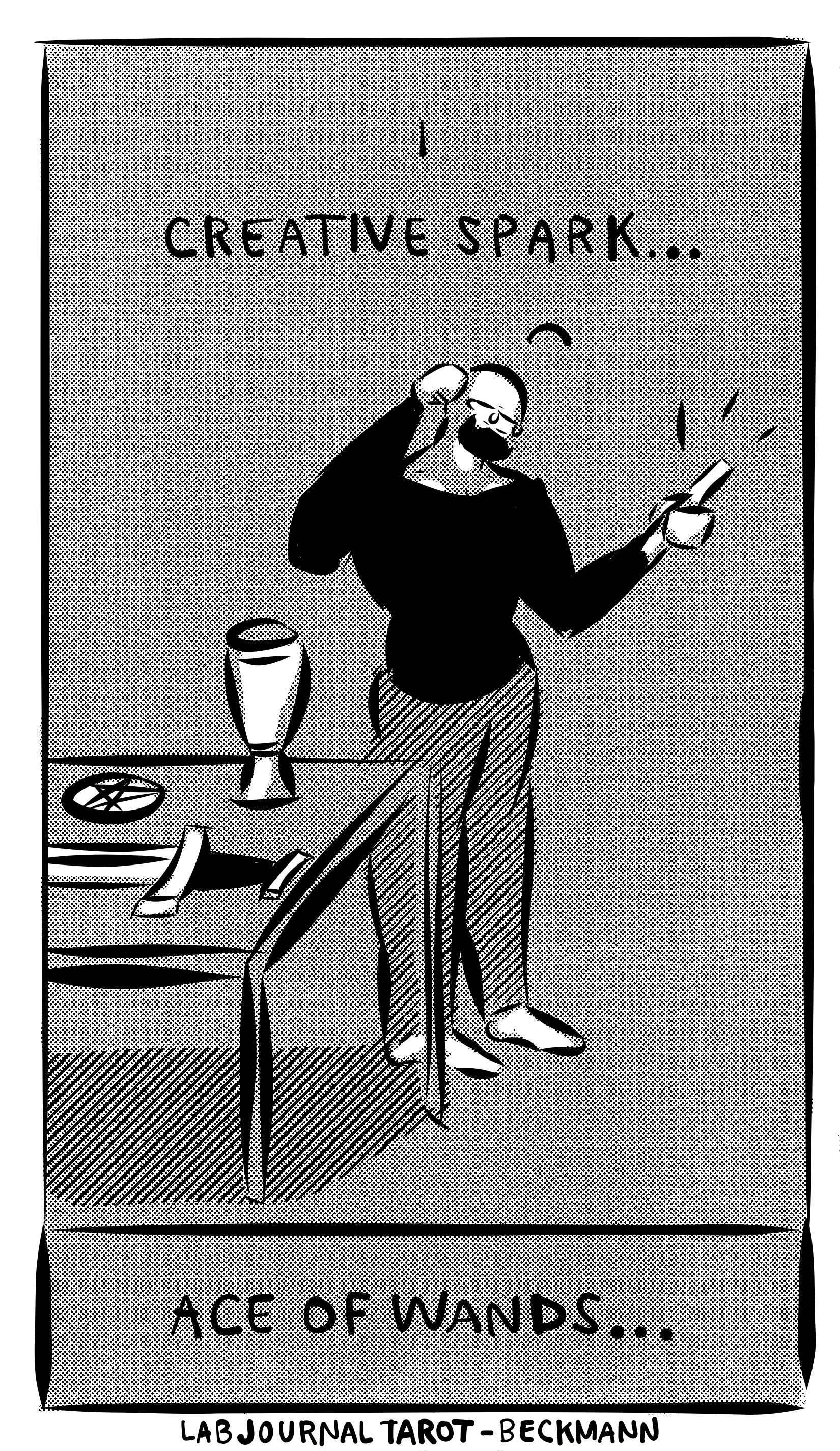
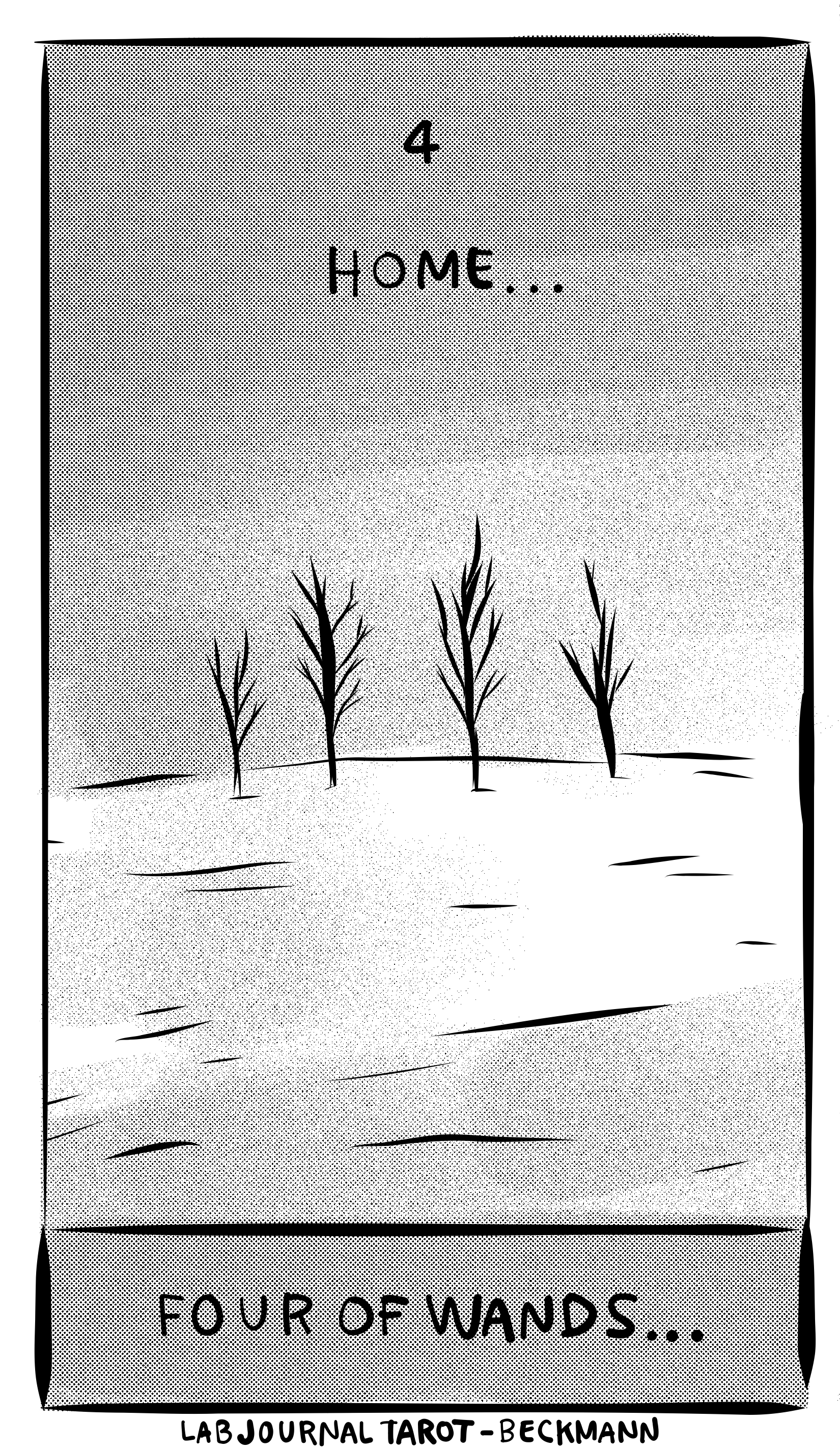
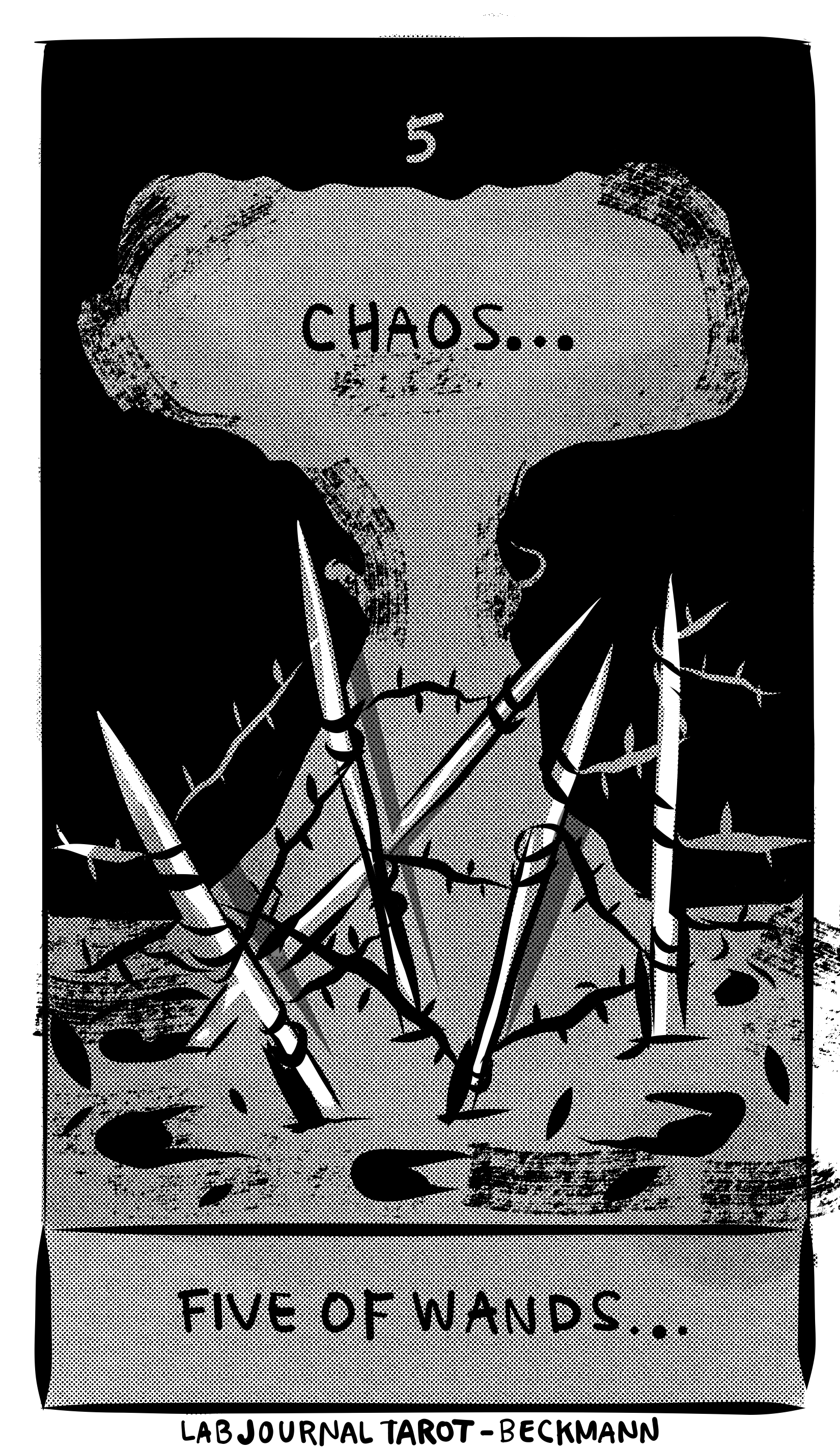
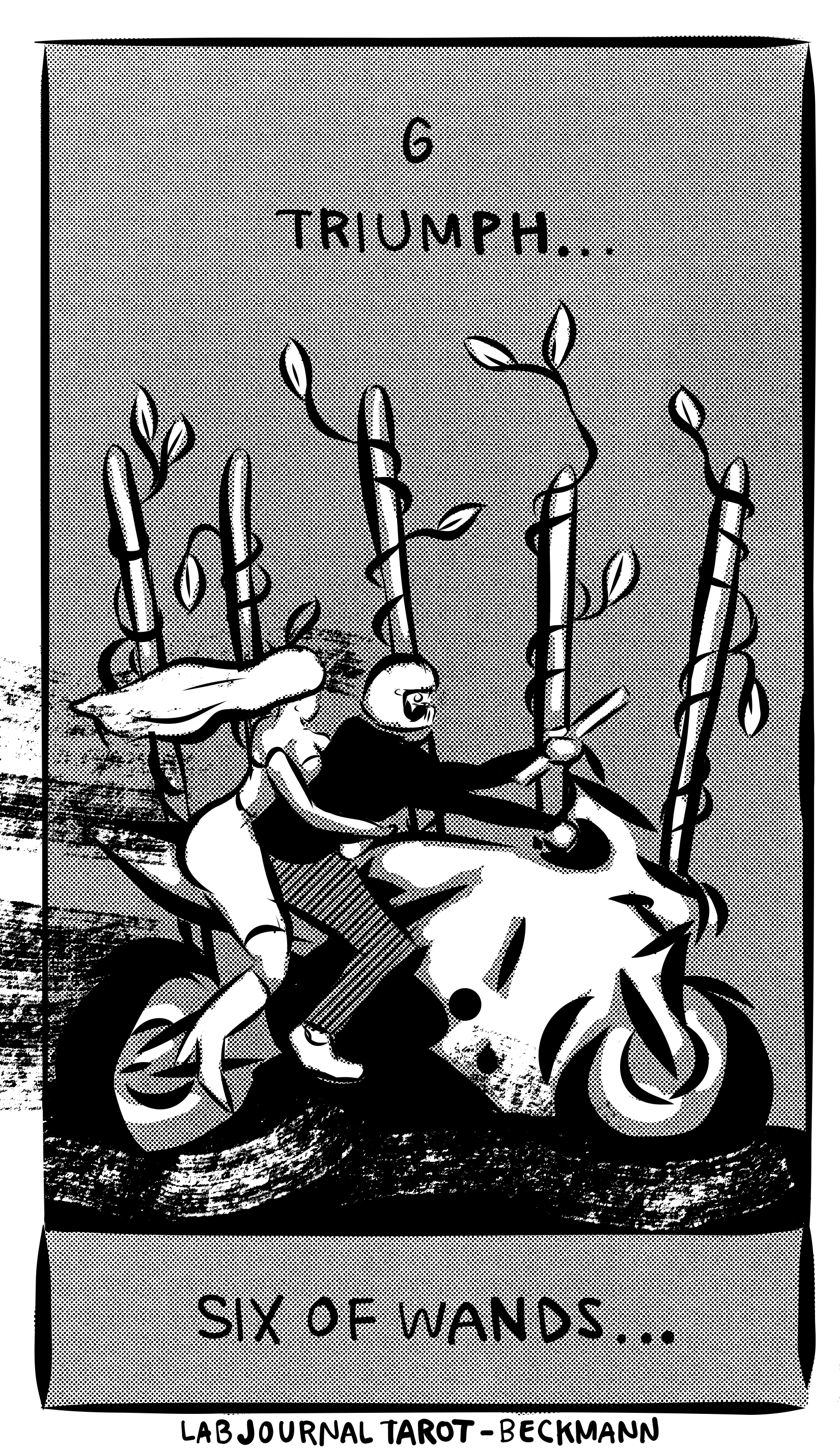
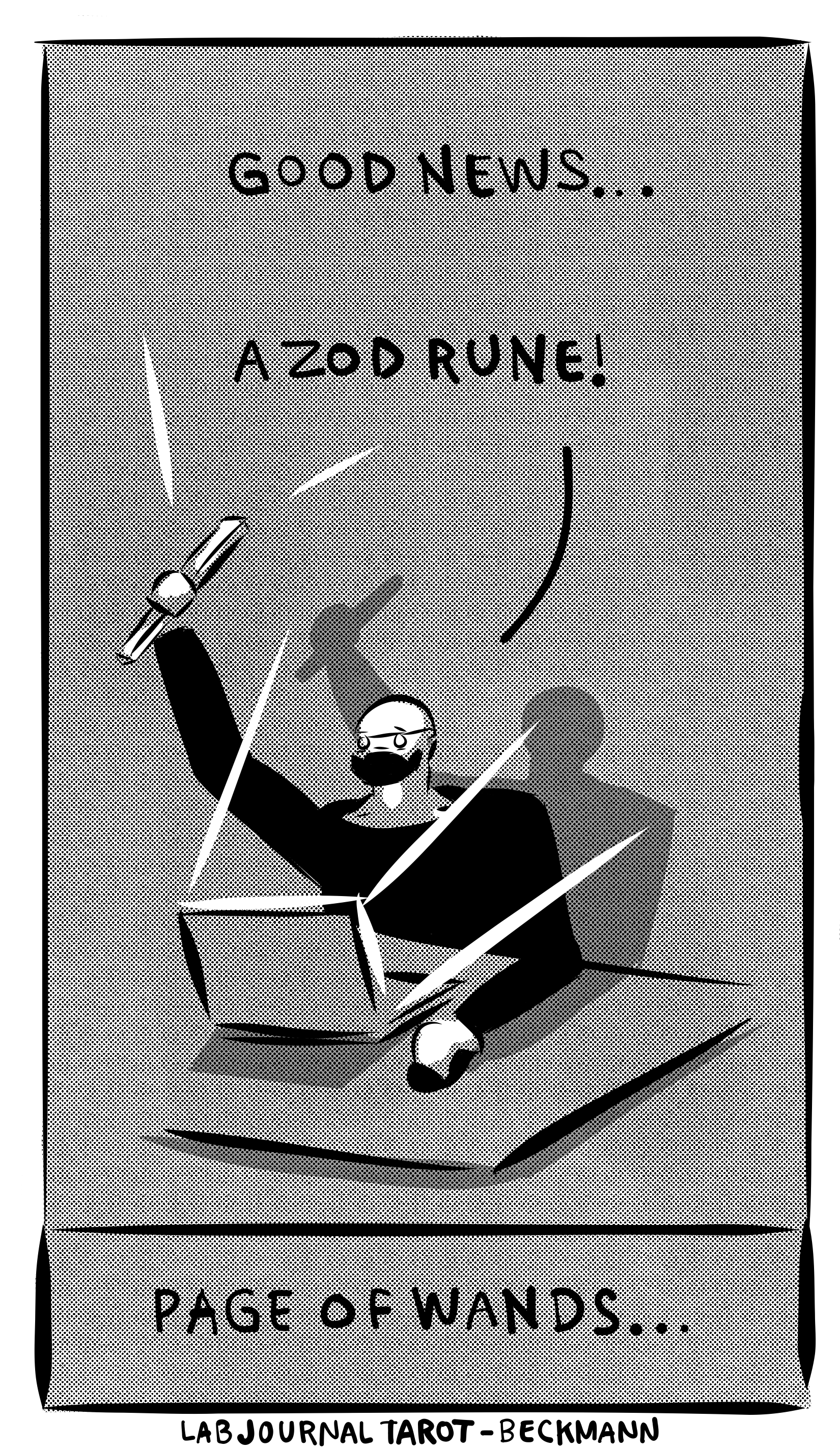
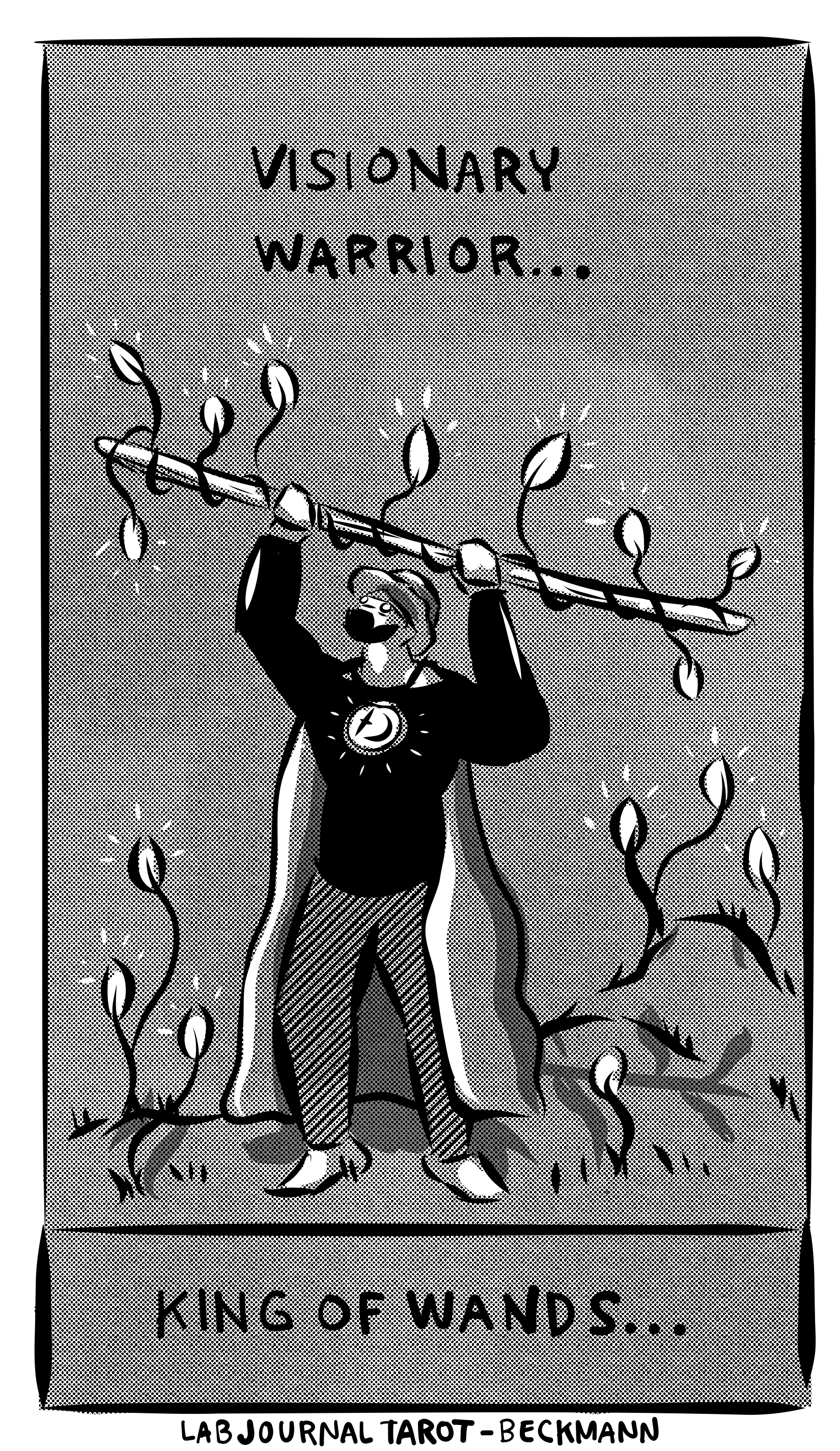
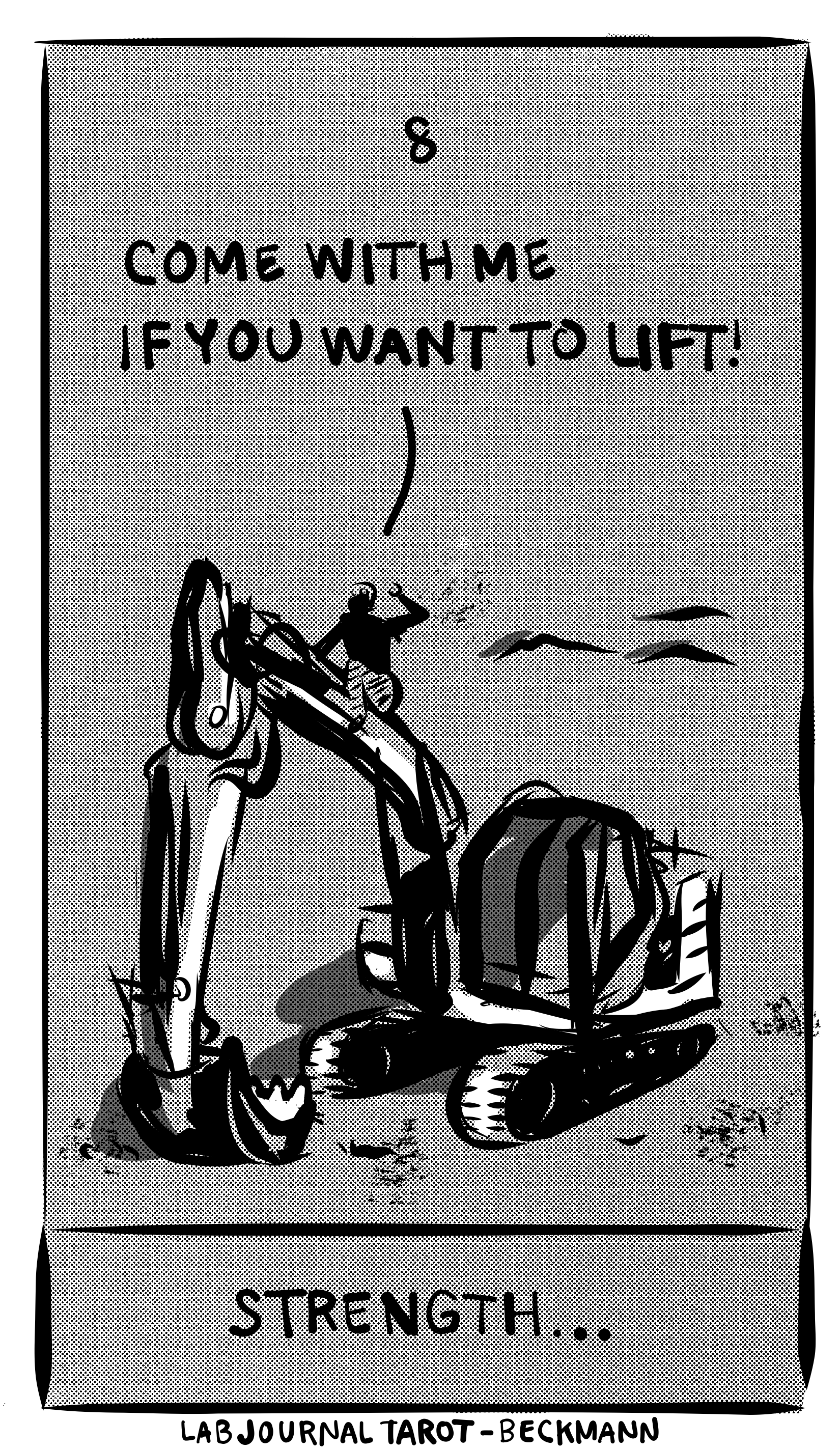
The first card is “The Fool” – in case you were not warned enough. In drawing my own deck, I seem to have foolishly exposed myself (or stood in the breach) as a naive bystander to the ongoing spiritual war all around us (getting clobbered by angels, demons, duels, worldly powers, multiple car accidents, multiple miraculous saves, death threats, almost got fired, plagues, sickness, my chickens were killed, my dog was killed, insanity, madness, and wisdom). It’s like it portalled me to a spiritual war frontline – and I never even used it to divine! I was just skeptically drawing the memes as a memeticist/cartoonist in attempt to understand their meanings and origins. Once I saw what this was, I confess that I used it as a tool of pattern recognition, and I tried to offer my own advice on earthly events using those patterns (while in Christ). If I’m being honest, I think Tarot has good life advice – that’s why it persists. For me, some kind of spiritual warning targeted me at the Ten of Swords. The Ten of Swords is a warning to powerful men who seek power – what will happen to you… Then some kind of spiritual boss battle triggered for me at the King of Wands and I had to duel to the death with an ancient woke beta demon. There is something truly real, powerful, and terrifying here – both good and evil fighting it out.
After many years of careful and judicious contemplation, I still see the more nuanced view of the Cardinal. That there might be value in studying the cards, from the perspective of a highly learned theologian/priest/professor seeking to understand more about the true world we live in. In the end I found inspiration, learned to trust God more fully, and saw my faith strengthened. There might be a way to decouple the memes from anything demoniac and break their power by extracting the logoi spermatikoi into a new safer context. For example, witches invoke the spirits to influence the stochastic nature and randomness of Tarot decks, effectively asking the demons to order the cards for purposes of divination – but if one was to re-assert the cards in their proper order (i.e., non-randomly in a book), revert the pentacle suit back to its original state of coins, and insert the original Catholic characters – then these diabolical influences might be dispelled and restored to their former order (separate, purify, recombine).
Thus, my cards will need revisions, and this current deck is in a state of repair. I plan to read the book mentioned above (it’s pretty fat…) and investigate this more – I need to study and think about it. I am protected at this point. I don’t plan on “playing corrupted Tarot cards…” I would not mess around with these corrupted memes. My cards should never be printed as a deck, shuffled, and played (at least for now). I forbid this.
But God doesn’t call us to abandon games altogether. We are not called to live a life without games, imagination, and fantasy…
Studying the memes for strategy and knowledge seems reasonable to me.
At least my deck is funny…
“Guardian angel, redirect on their heads what they invoke on me.”
-JFB
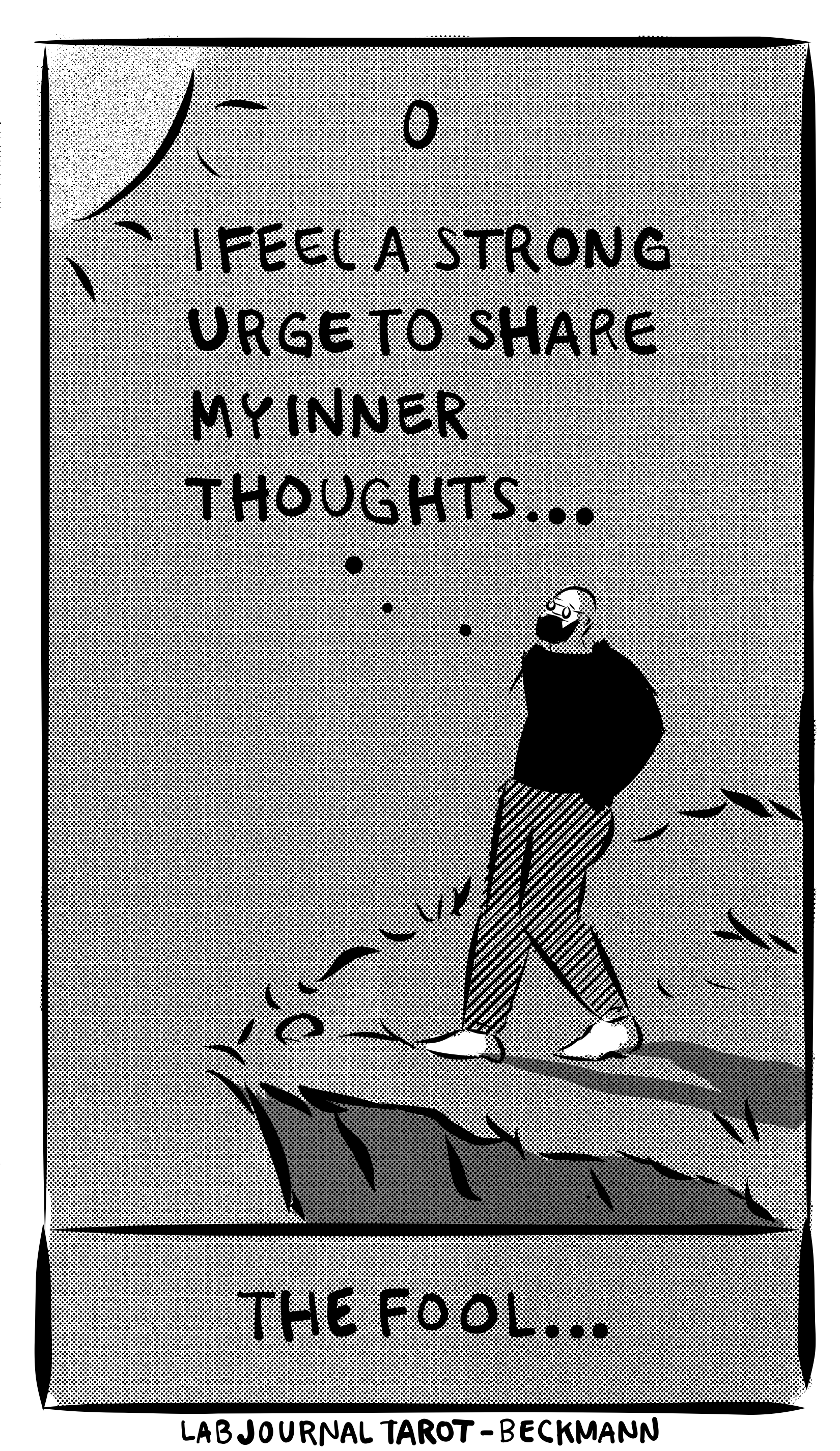
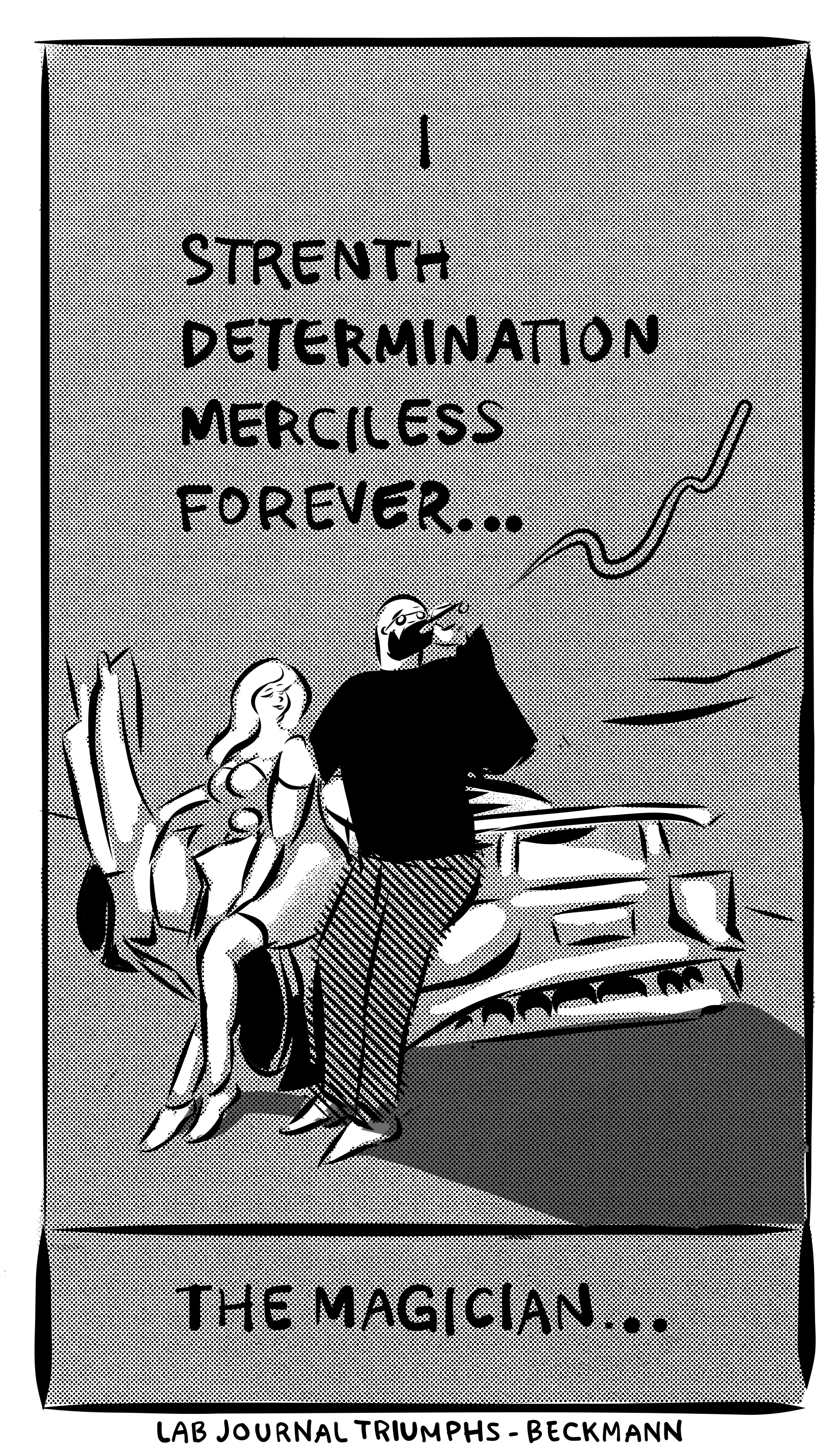
Upright: magician, transforming work into play, concentration without effort, silent observation, juggling, unity through analogy, manifestation, affirmations, intense training to acquire skill, willpower, resourcefulness, initiative, morphing loss into opportunity.
Inverted: charlatan, turning play into drudgery, scattered distraction, noisy distraction, dropping everything, division through falsehood, self-sabotage, negative self-talk, lazy incompetence, weakness, helplessness, procrastination, morphing opportunity to loss.
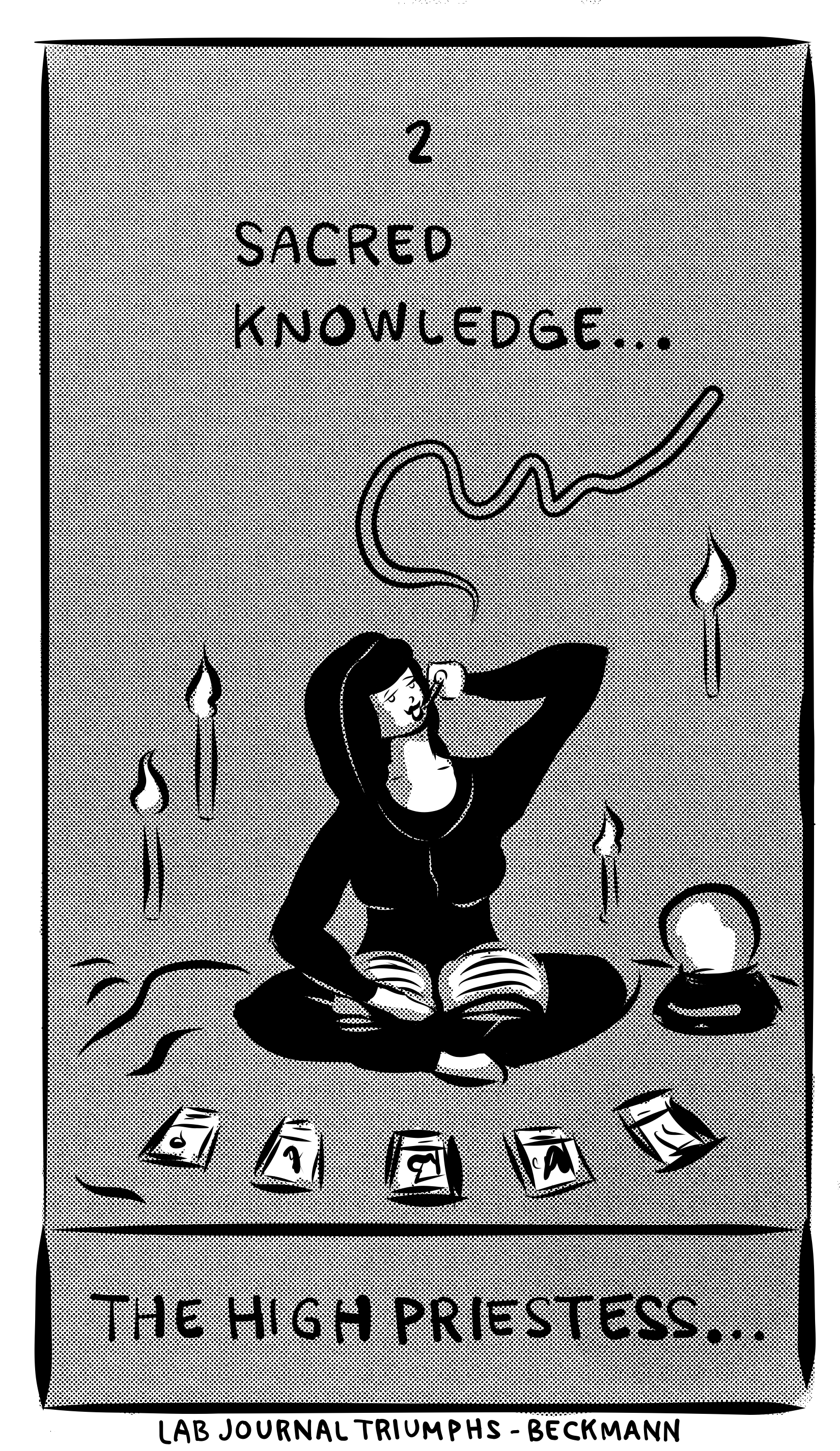
Upright: high priestess, gnosis, experiential knowledge, to know, intuition, intelligent reflection, recollection, contemplation of action, the written word (Logos).
Inverted: false prophet, ignorance, theoretical legalism, to not know, overcalculated, unthinking reaction, forgetfulness, heedless, the spoken rumor.
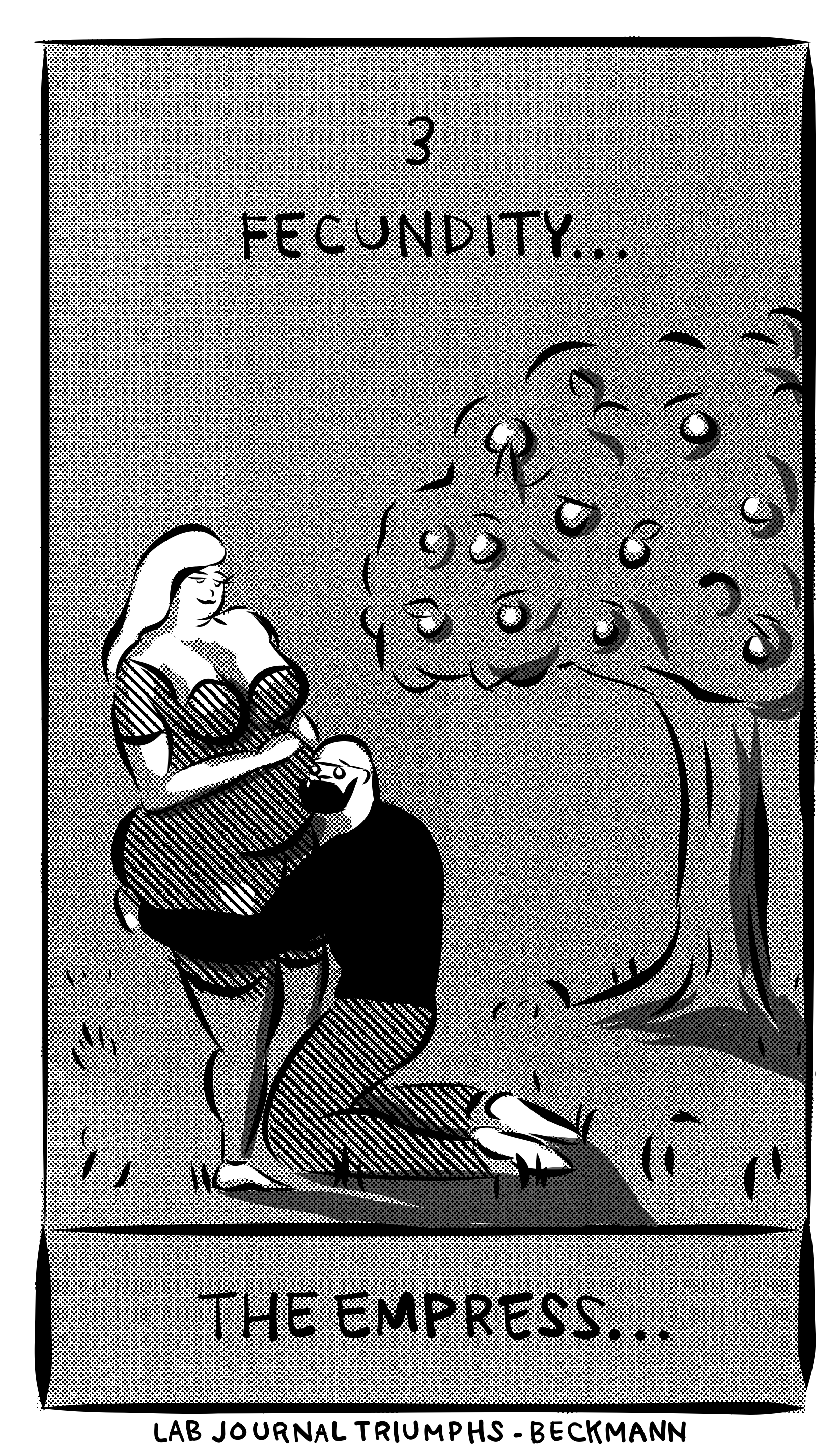
Upright: the empress, divine magic, life before the fall (Genesis), tree of life, deep roots, love, creative imagination, fruiting philosophy, liberating action, victory over vices, regeneration, will-to-serve, the holy virgin.
Inverted: dark sorceress, profane sorcery, the fall, death, uprooted from context, malice, perverse imagination, corrupting philosophy, sterile belief, vice, degeneration, will-to-power, the succubus.
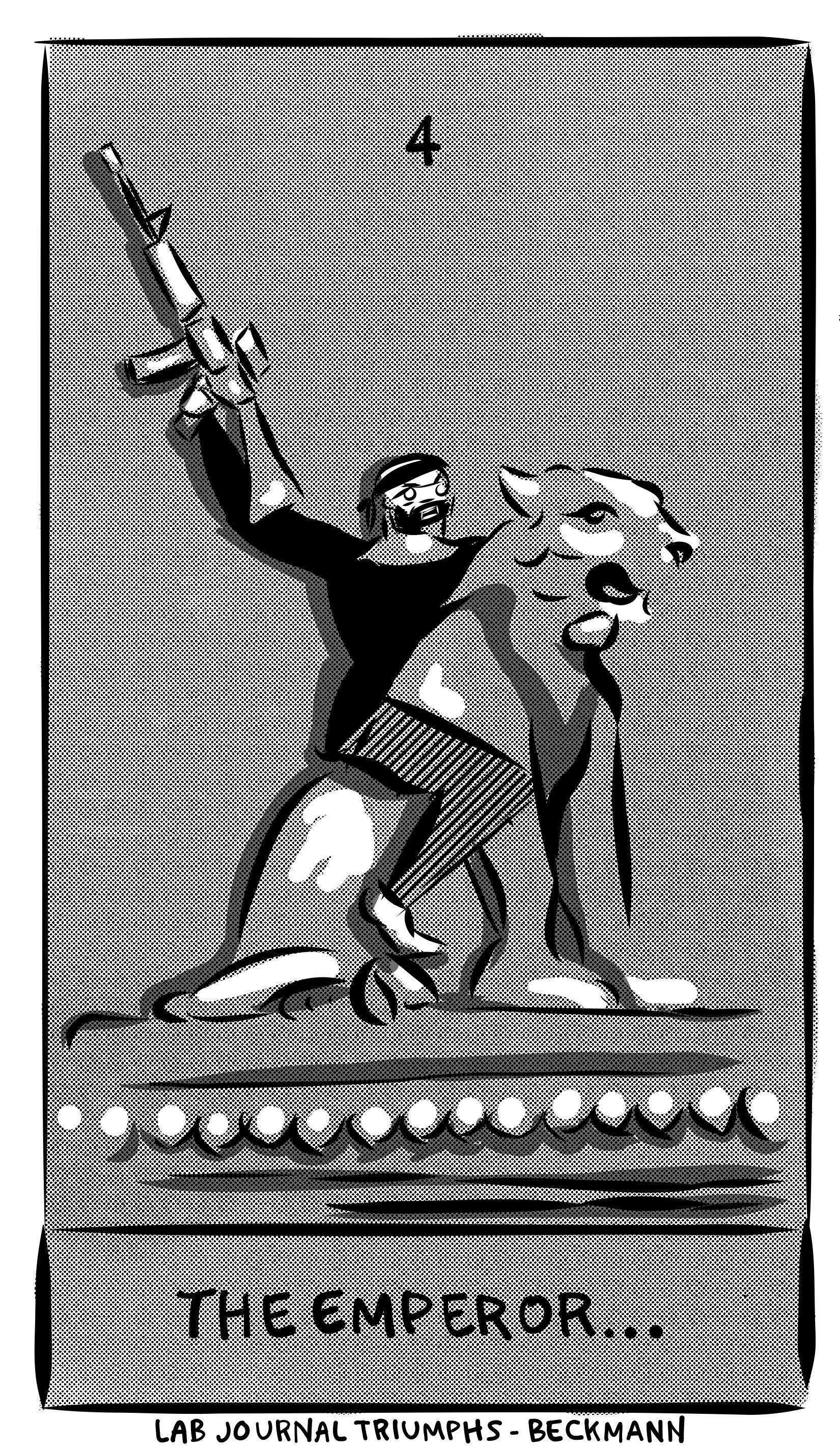
Upright: the emperor, the scepter, authority, capability, knowledge, lawgiver, order, hierarchy, to carry burdens, restrained by office, empower the powerless, reign over the free.
Inverted: the tyrant, the sword, compulsion, incompetence, foolishness, lawbreaker, chaos, anarchy, to parasitize, to rampage, power for power’s sake, reign over the enslaved.
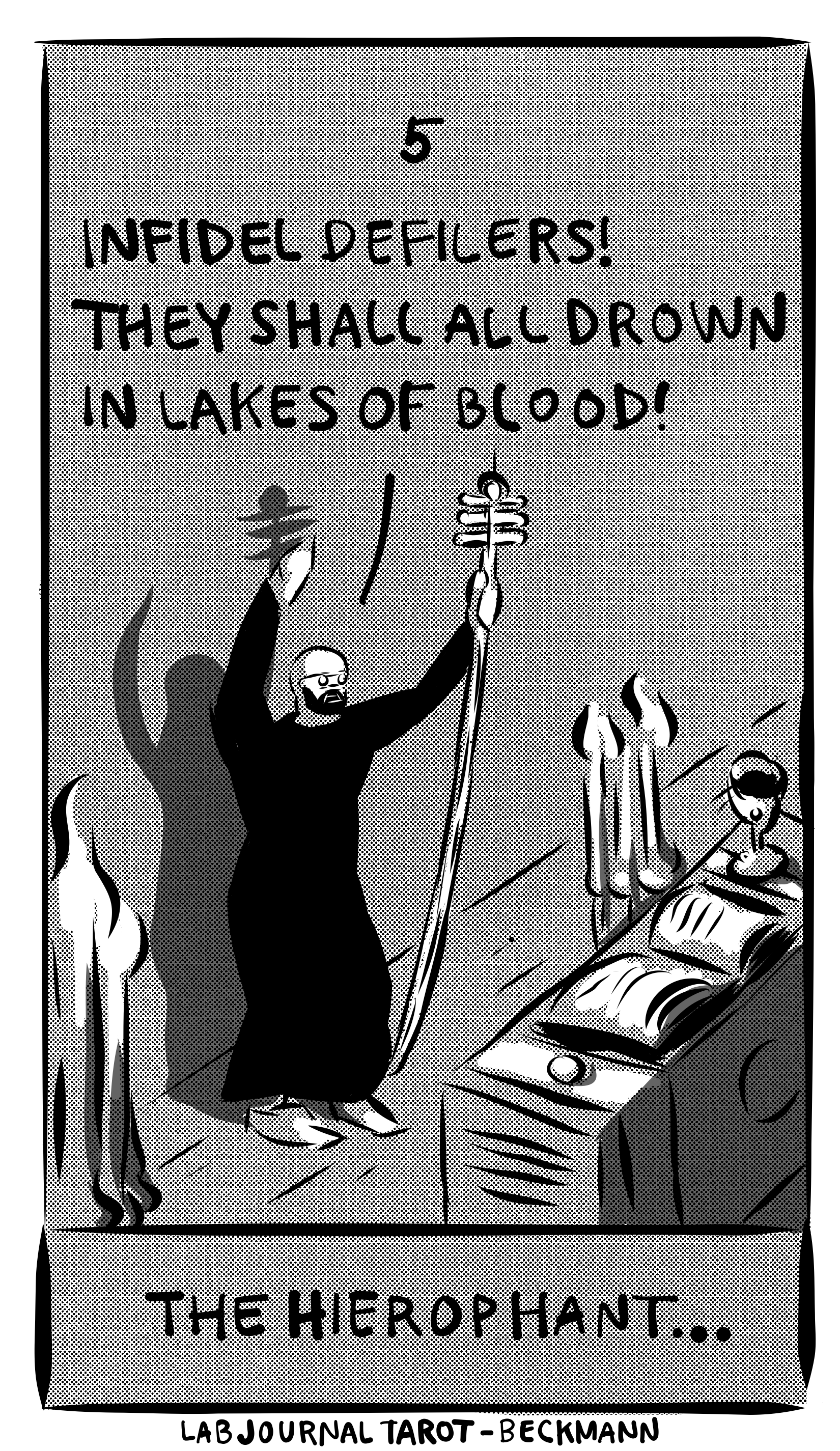
There is a suggestion to revise for vladimir the great… not sure how to do that… the conquering prince or the baptizer/saint?
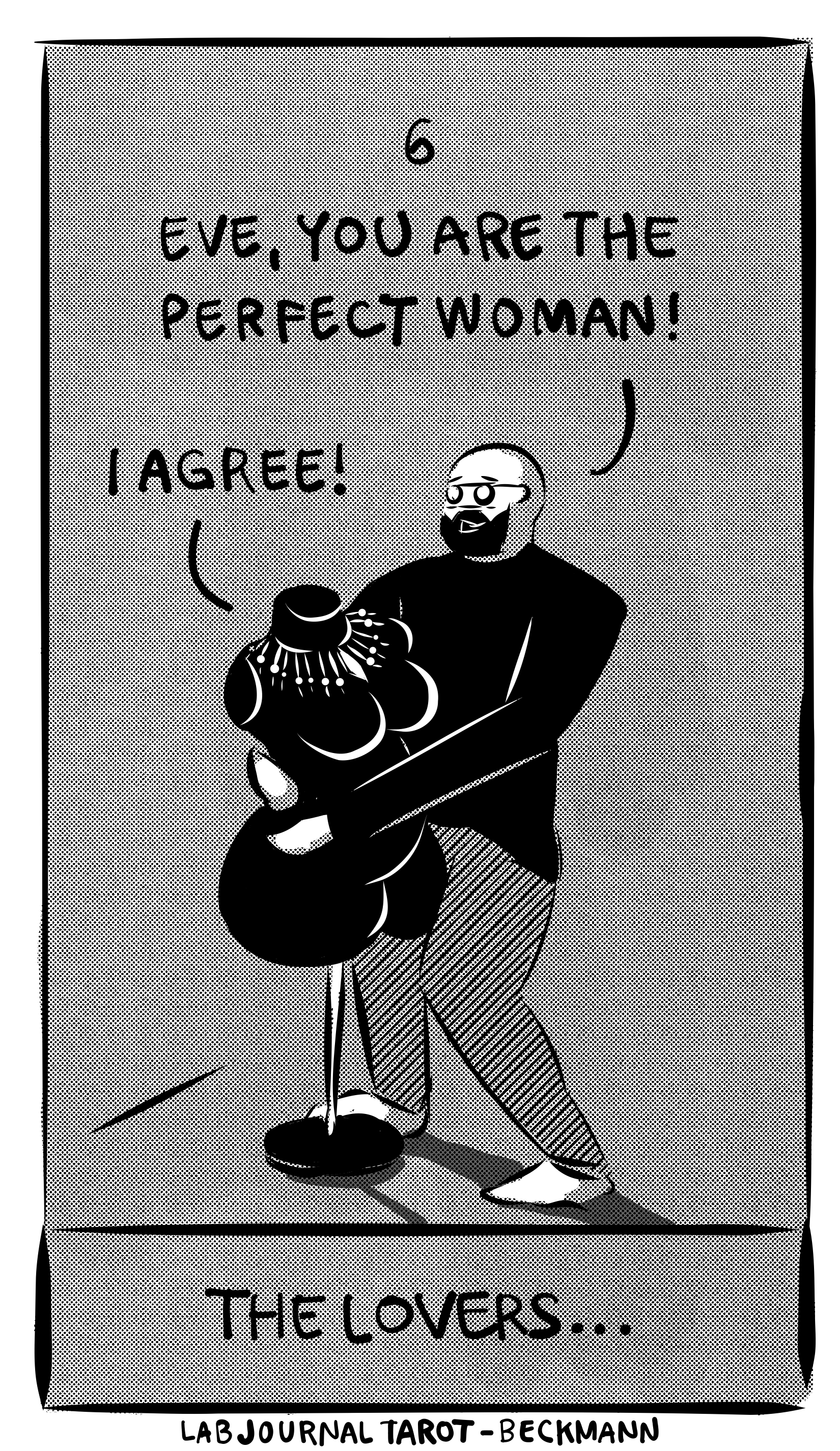
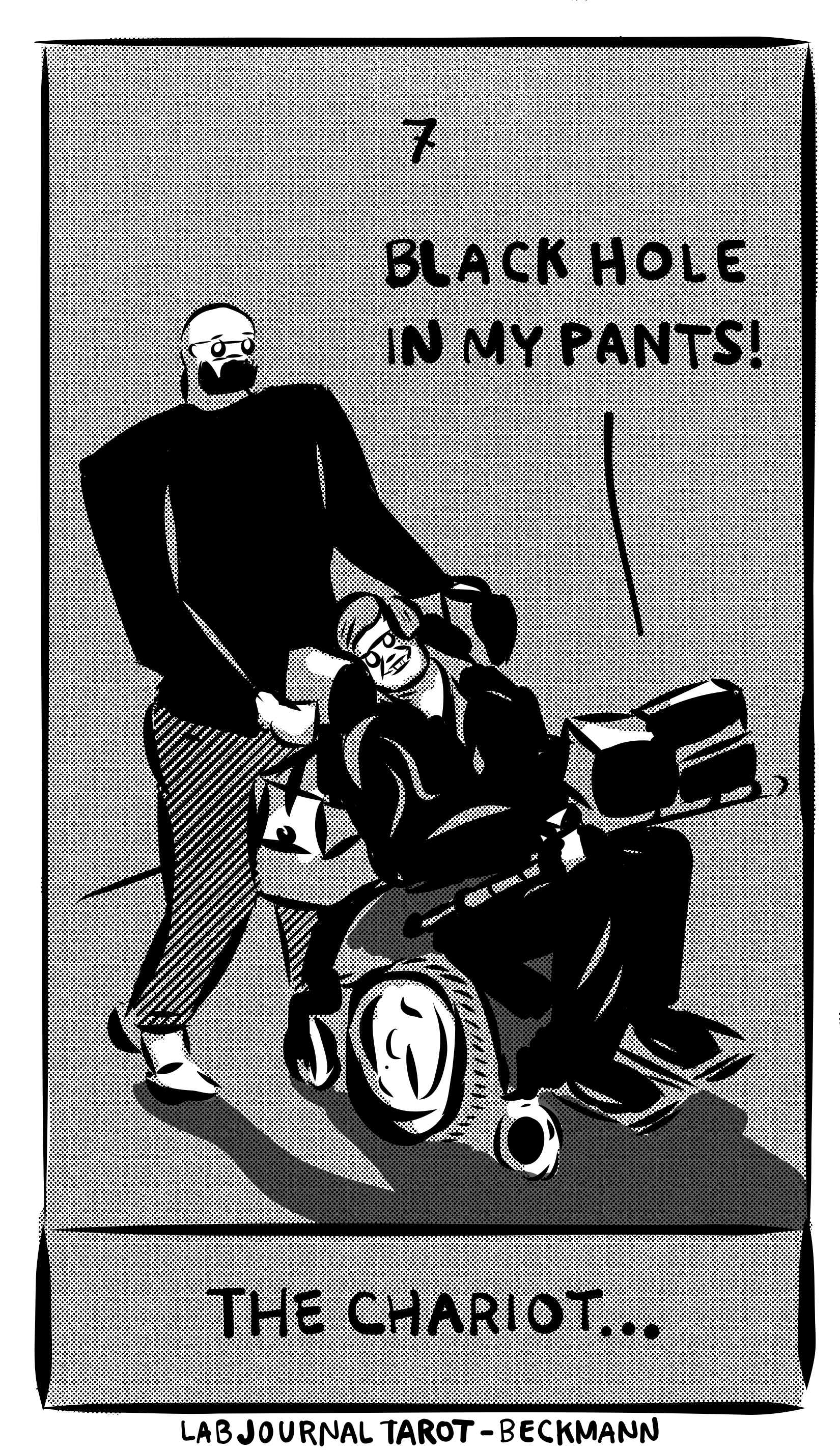
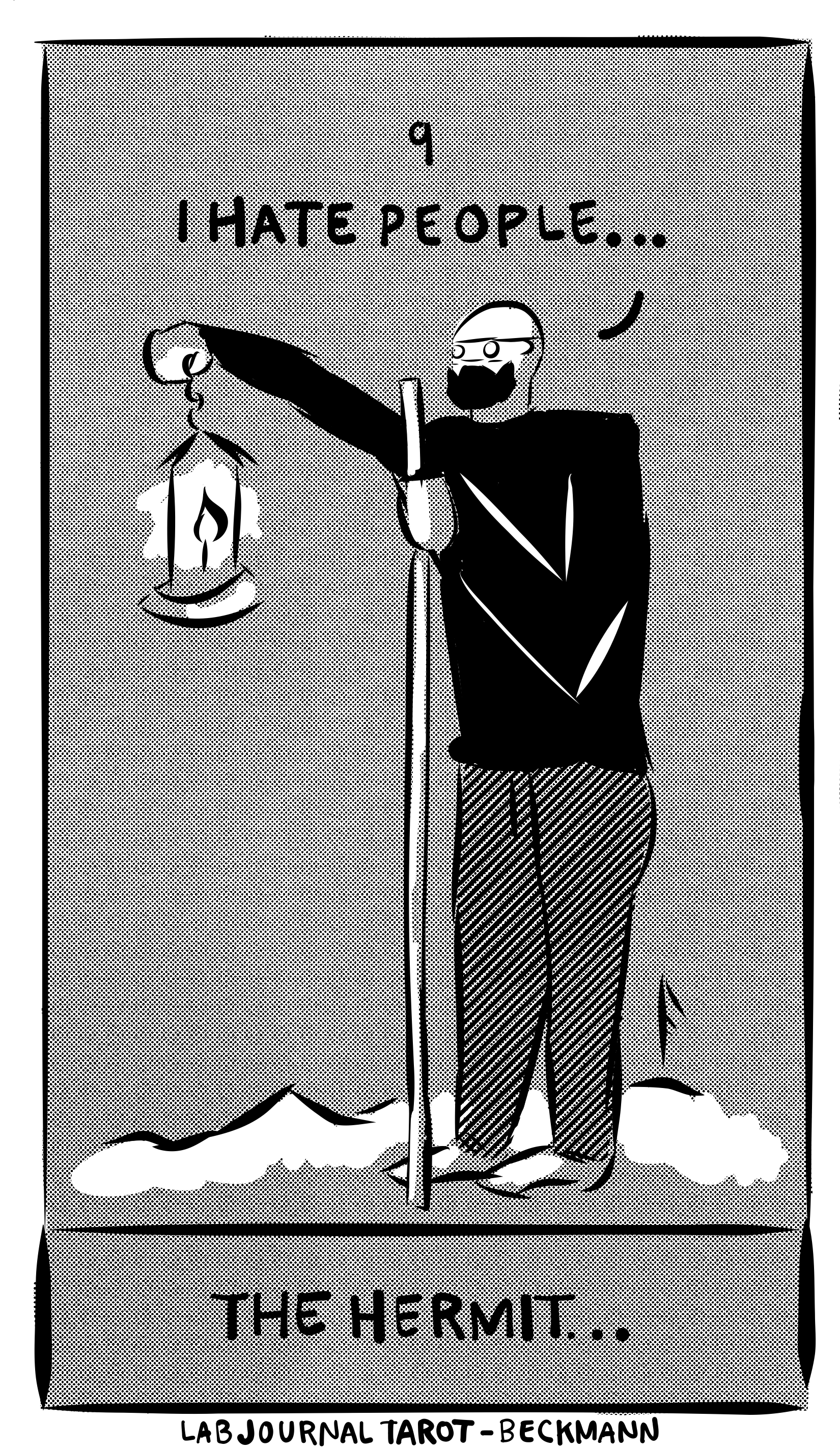
suggested revision to Saint Charbel