
If you want to follow along; I am using penguin classic Aesop complete fables translated by the temples…
Forward (Collecting thoughts):
aesop predates all major greek philosophers
Why Study Aesop’s Fables?
I had hoped to avoid Aesop’s Fables. There are more than 300 – so any systematic treatment of the volume will require ~two year’s investment minimum. My interests are really more aligned with the Sagas and Old Norse; and I’d prefer to spend my illustration time there… Although bizarrely, The Prose Edda cites Odin’s lineage to Troy, sort of mating his legend with the Iliad – so maybe I can justify a tangent. I also have essentially zero understanding of Greek. I’m not pretending to be a Greek expert. Someone else should really be doing this…
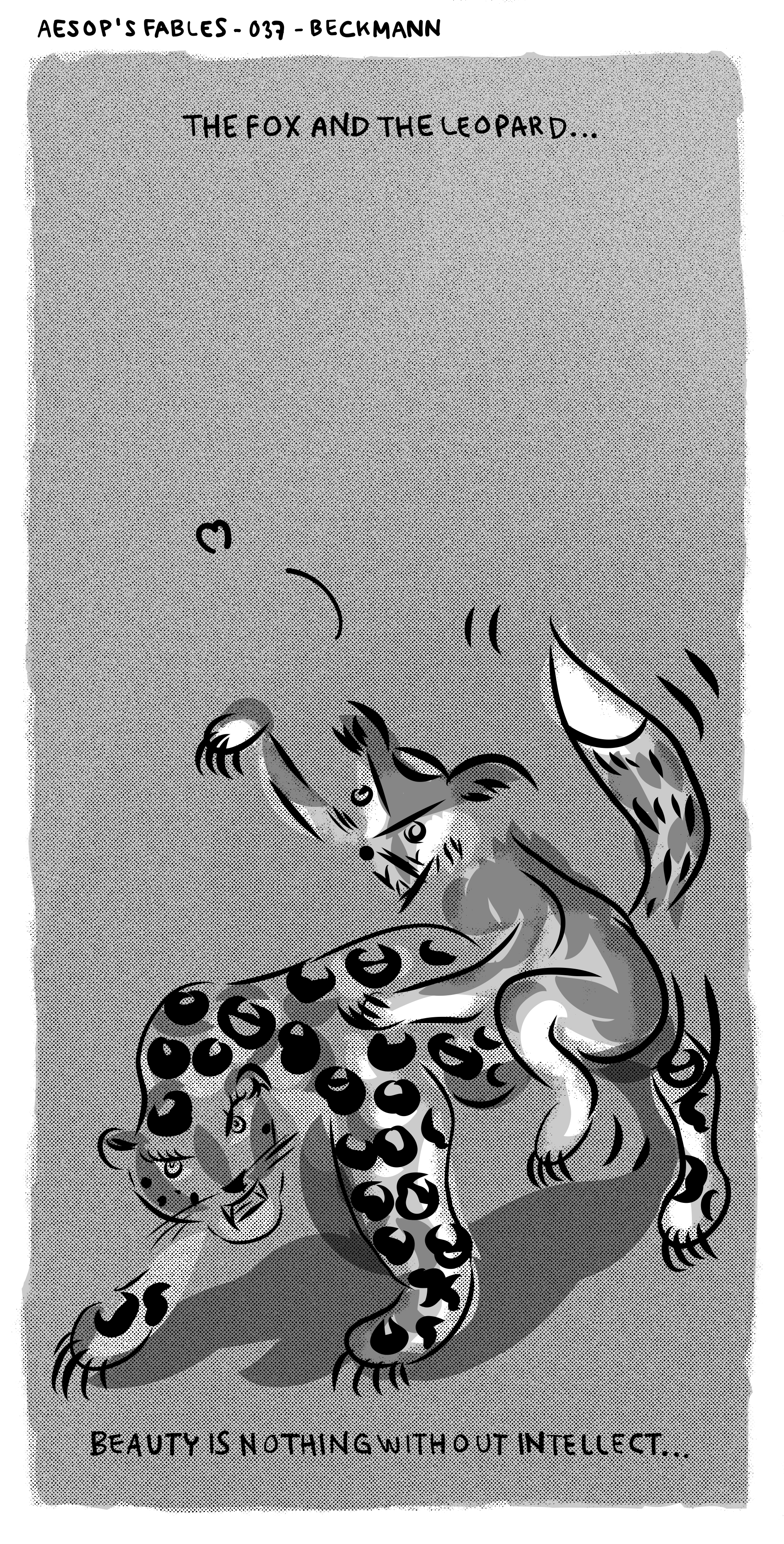
On the other hand, after digging into Aesop’s Fables it became clear to me that it was an operational memetics manual written in coded parables by a satirist – so I probably need to look at this closely. The reason I say it is a manual is because Aesop is clearly a behavioral classifier (an early observational human biologist/psychologist, you might say). He classifies all people into types, associates these types with animals that exhibit stereotypical behaviors, then outlines stories that describe how to effectively interact with these types of people, and what to watch out for. In this way, Aesop’s Fables is akin to a Tarot deck, but far more expansive. Aesop’s Fables are deep reflections on human nature. So, in order to learn a thing or two and hone my skills it probably necessitates my attention. Also I need to learn how to effectively draw all the cartoon animals (my plan is to borrow heavily from Ed Emberly). Perhaps after studying this, I will have a much better understanding of the Greeks.
On Gustave Doré’s Fables of Jean De La Fontaine
I finally became convinced that I had to tackle this subject after I learned that Doré Illustrated 100 fables including a partial treatment of Aesop’s. So to grow in legend and at least be somewhat comparable to Doré long-term as an illustrator, I will have to take on this task. Doré’s illustrations will be far more detailed than mine; I can’t compete with him on time and resource investment. To be fair, like Dürer and Da Vinci, he had an entire workshop with trained artisans and apprentices working for him. I don’t have that – I do it solo for sheer love of the game. Doré was a commissioned meme maker/print maker. He probably oversaw the sketches, organized the pictorial compositions, and led funding acquisitions for his shop, but he didn’t do all the labor himself (ill need to check on this). Commissioned engravings back then were like movie productions – any commissioned work had armies of production crews working on it. So needless to say, my illustrations will be quicker, simpler, and less detailed; and my style is more in tune with woodcuts, like Hokusai. So don’t compare my volume too harshly.
On Logos: like the Havamal, logos comes up again in Aesop. Aesop is actually called something like, “logos speaker” and the greek logos is used in reference to Aesop’s nickname. I’ll have to order a greek/english translation to investigate this further… very interesting. obviously this inherently relates to the idea that jokes aren’t really funny, unless they are true, or based on some truth that others are not willing to say out loud.
…collecting thoughts… it will take me a few years to finish…
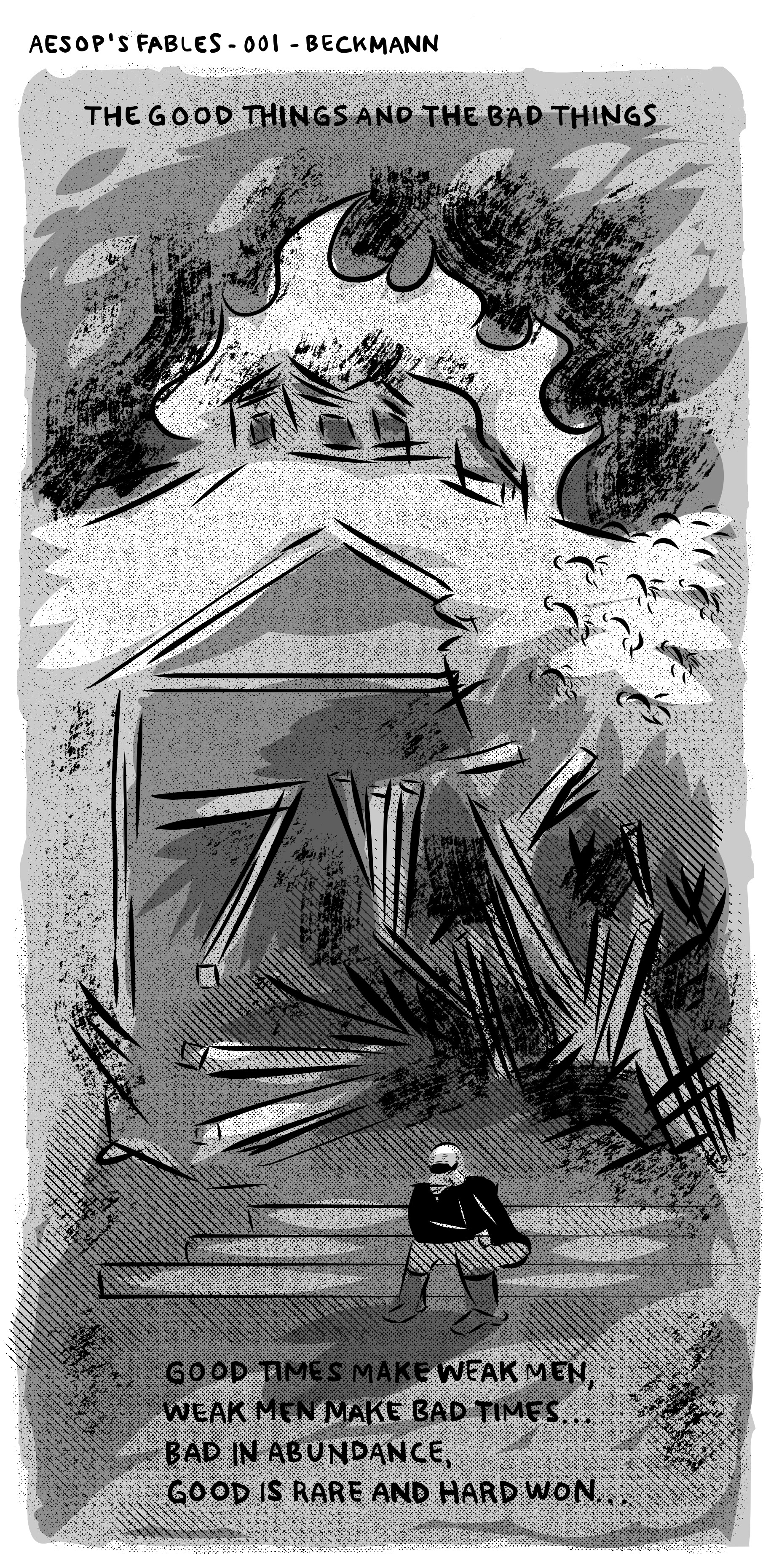
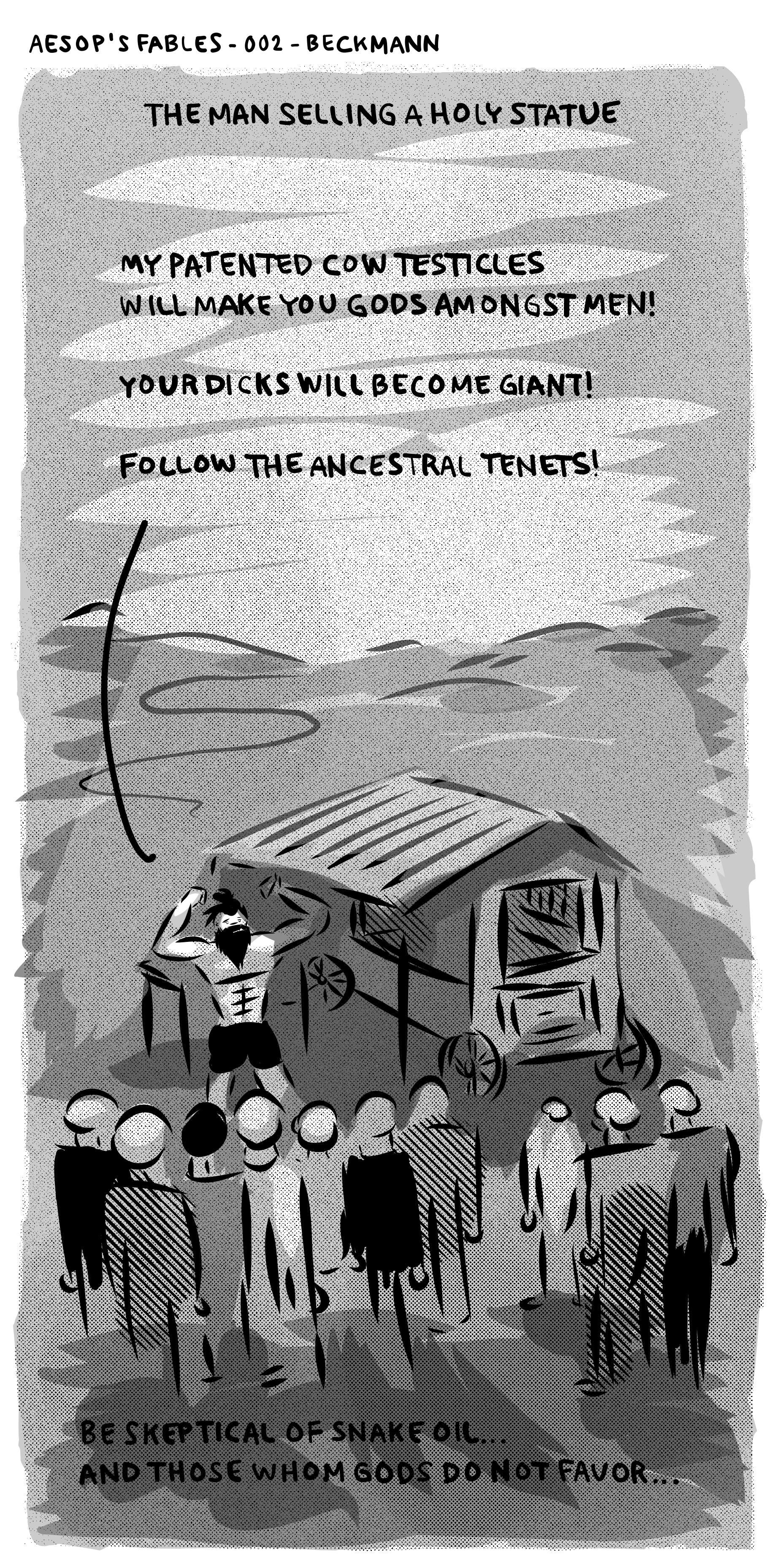
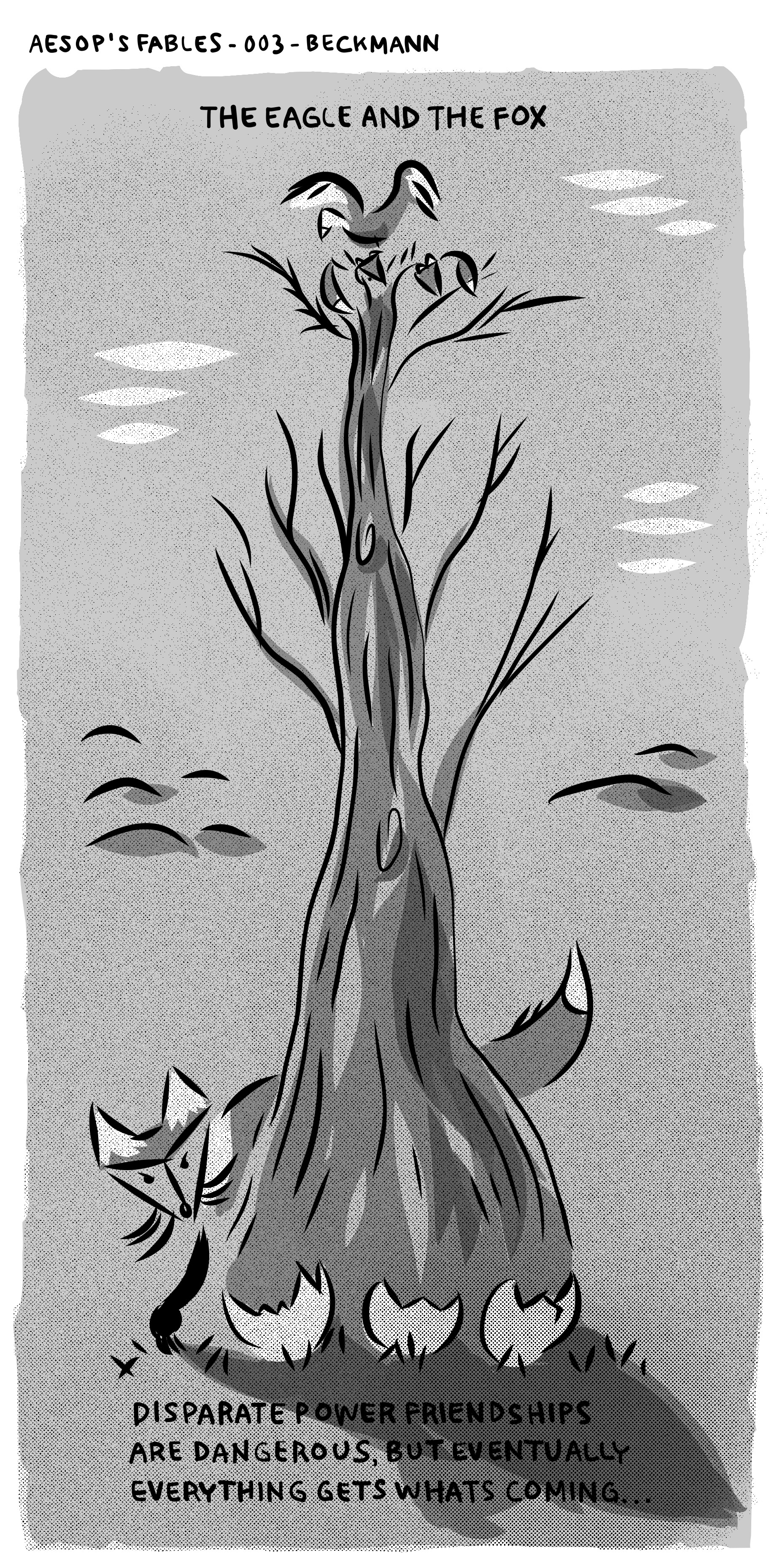
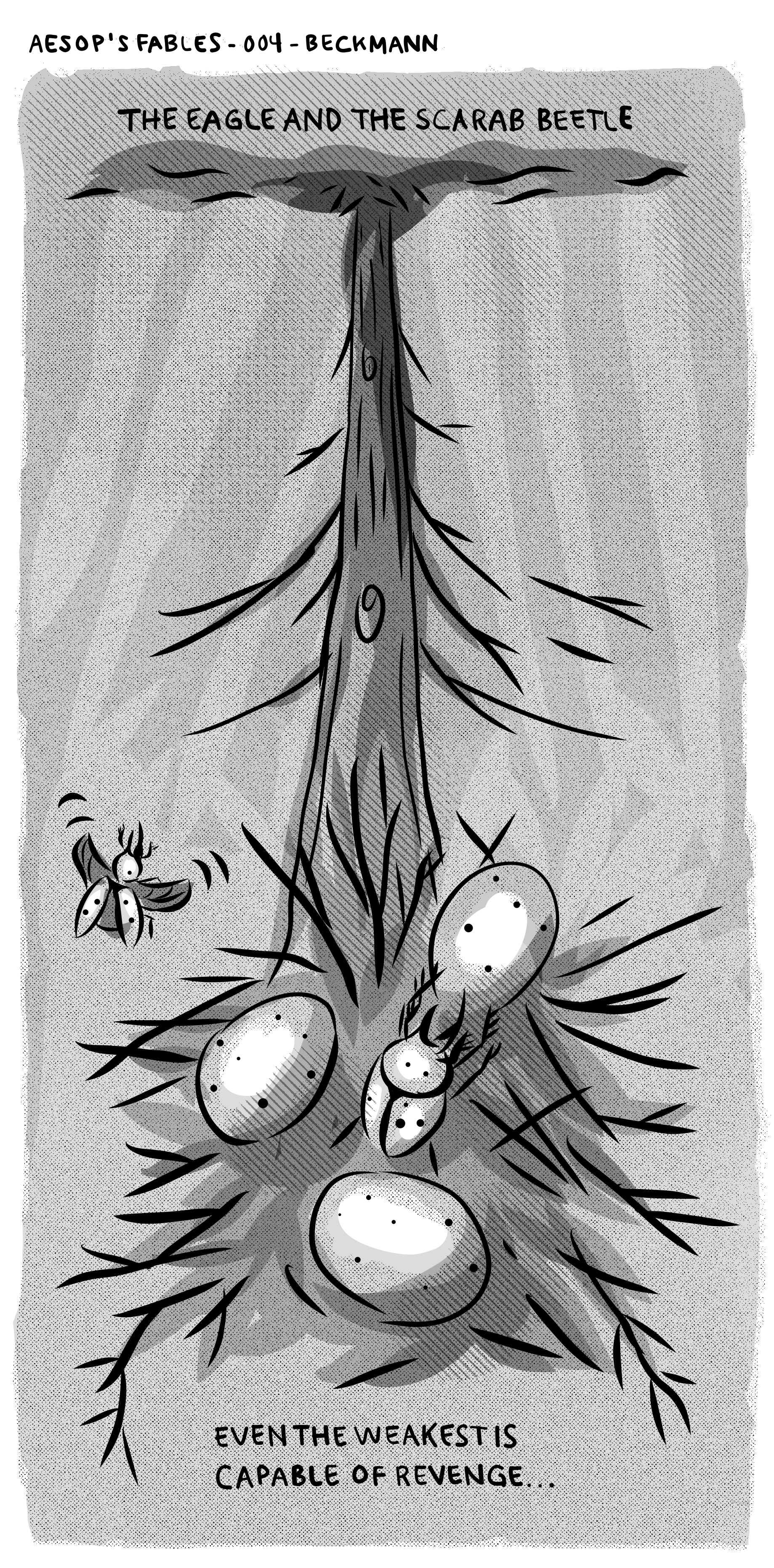
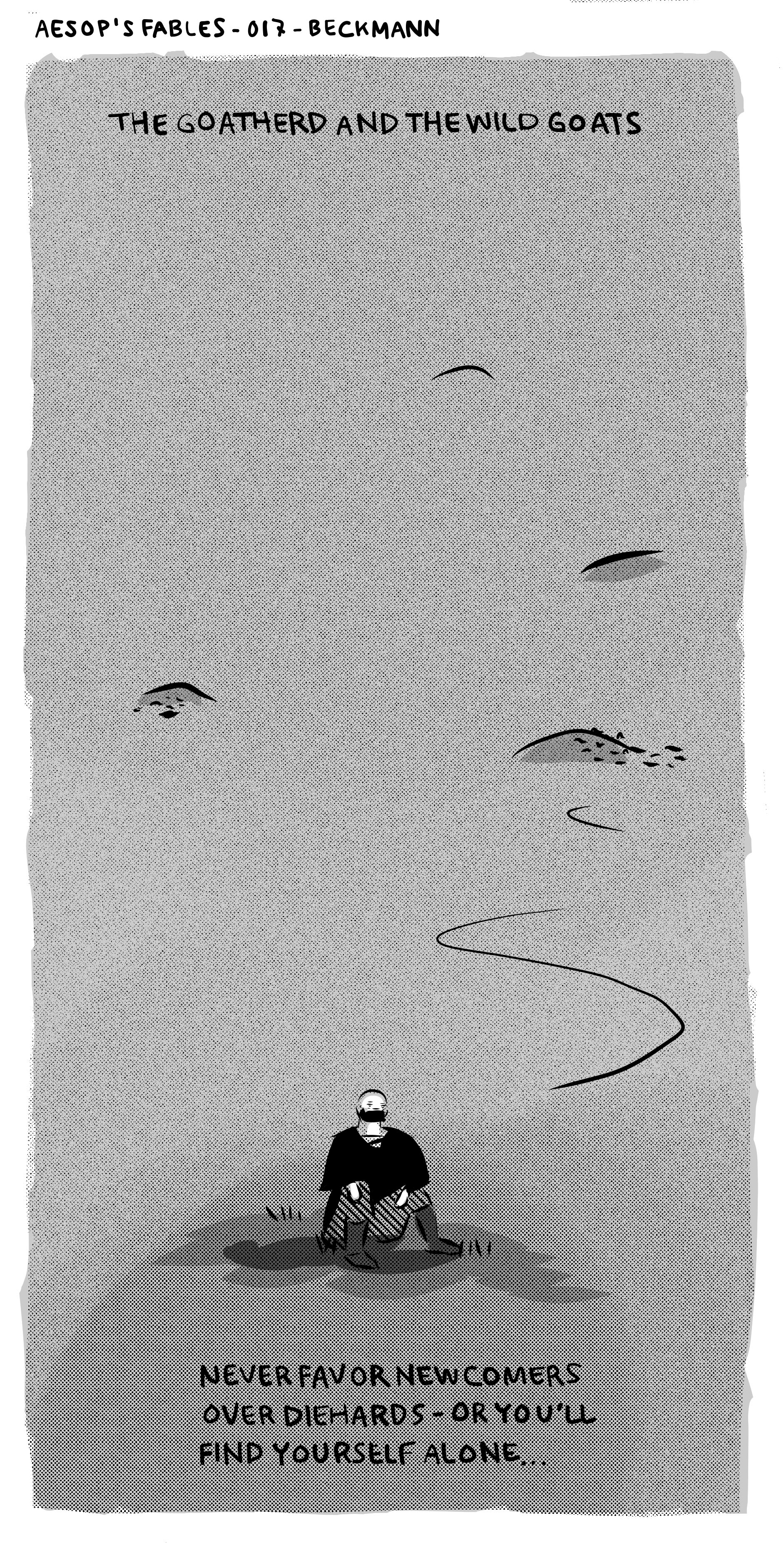
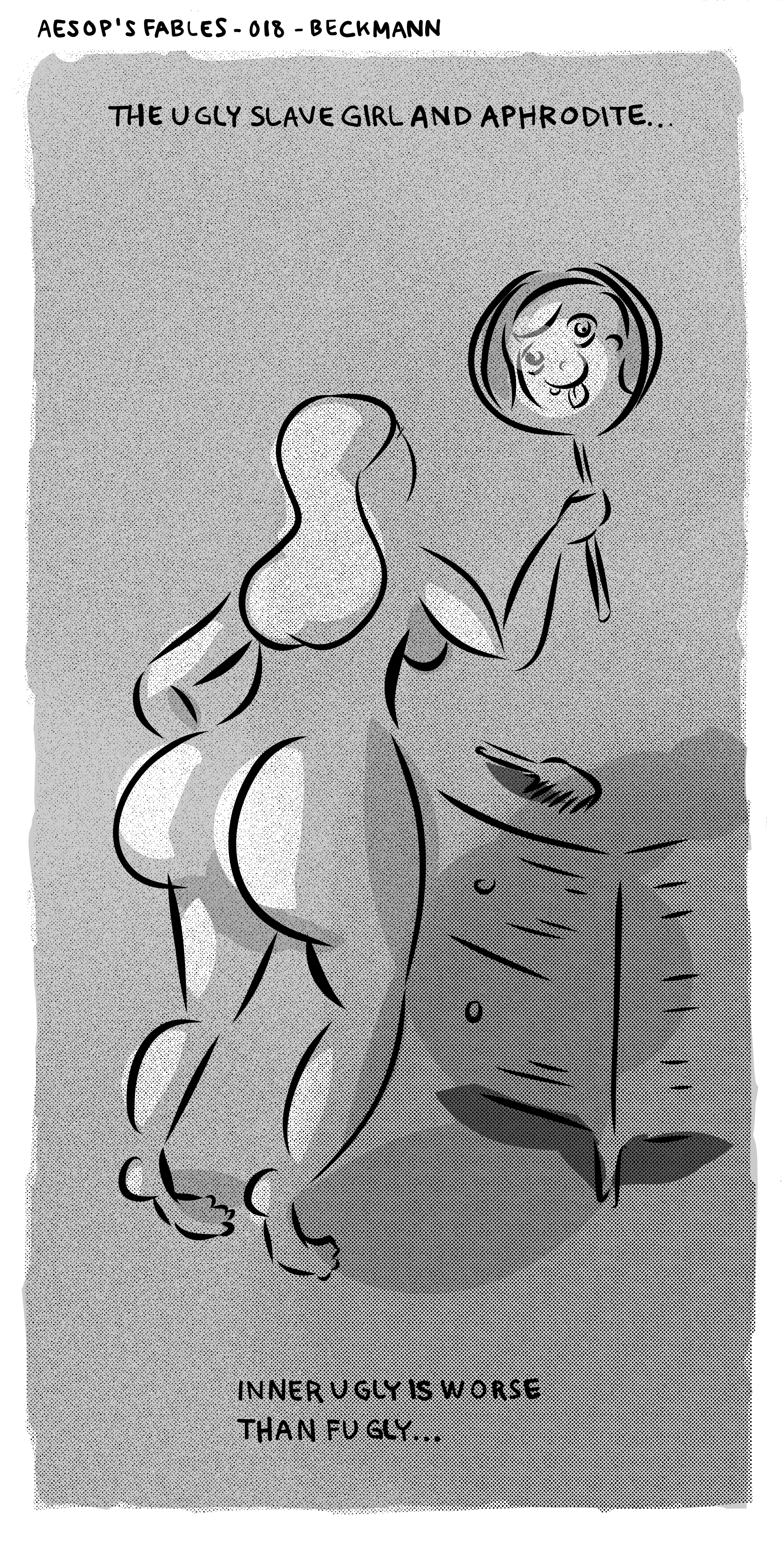
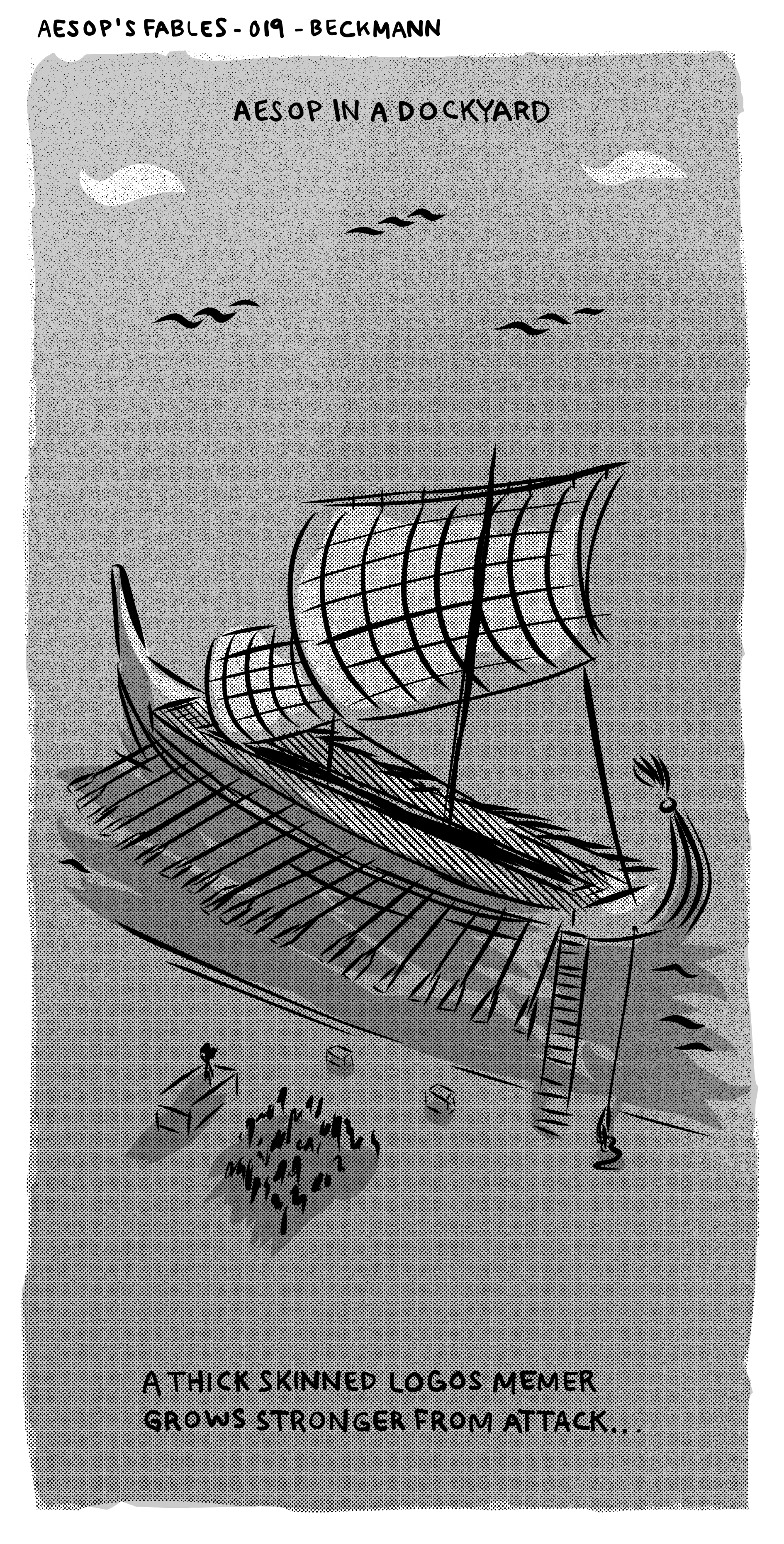
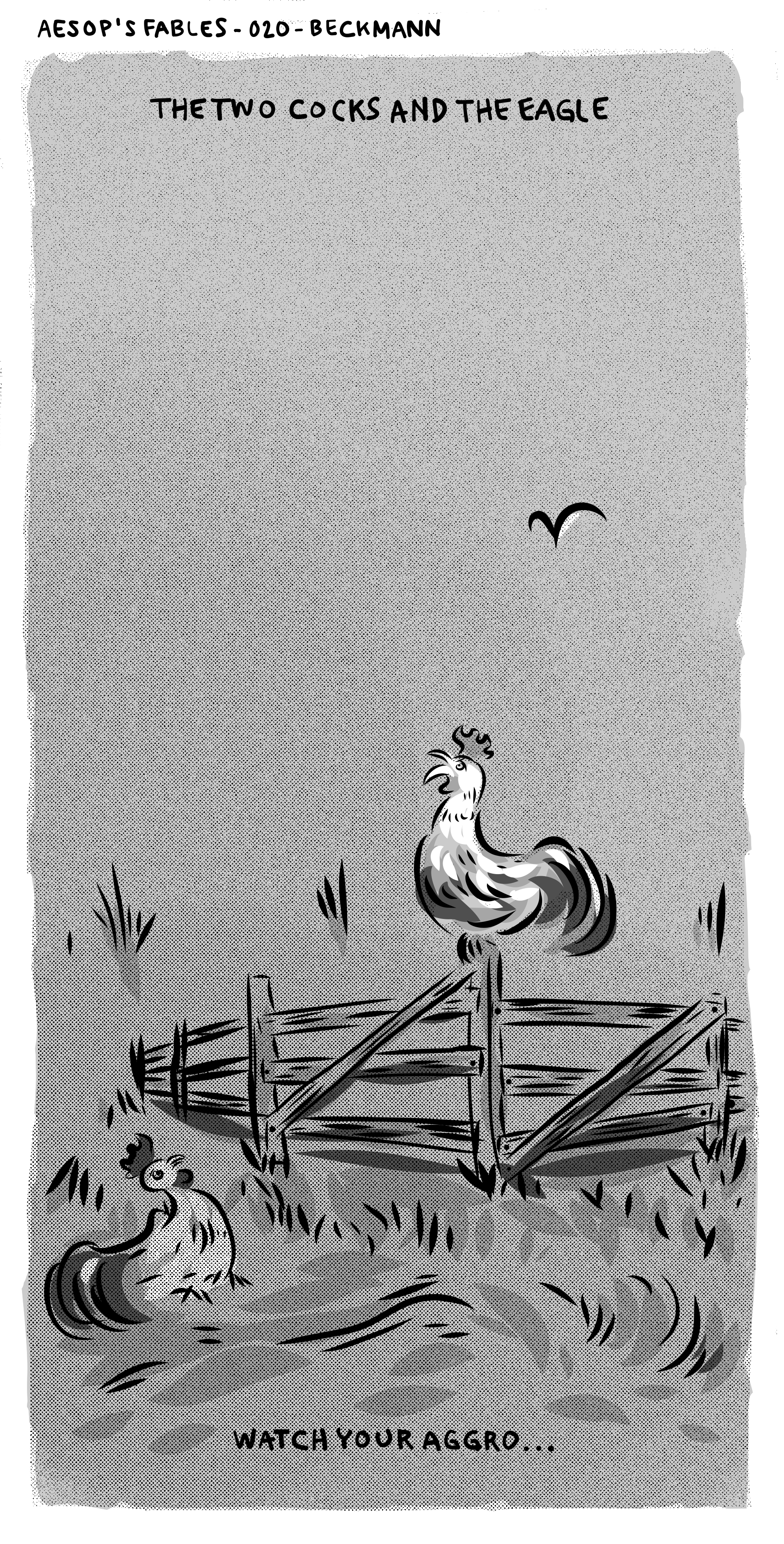
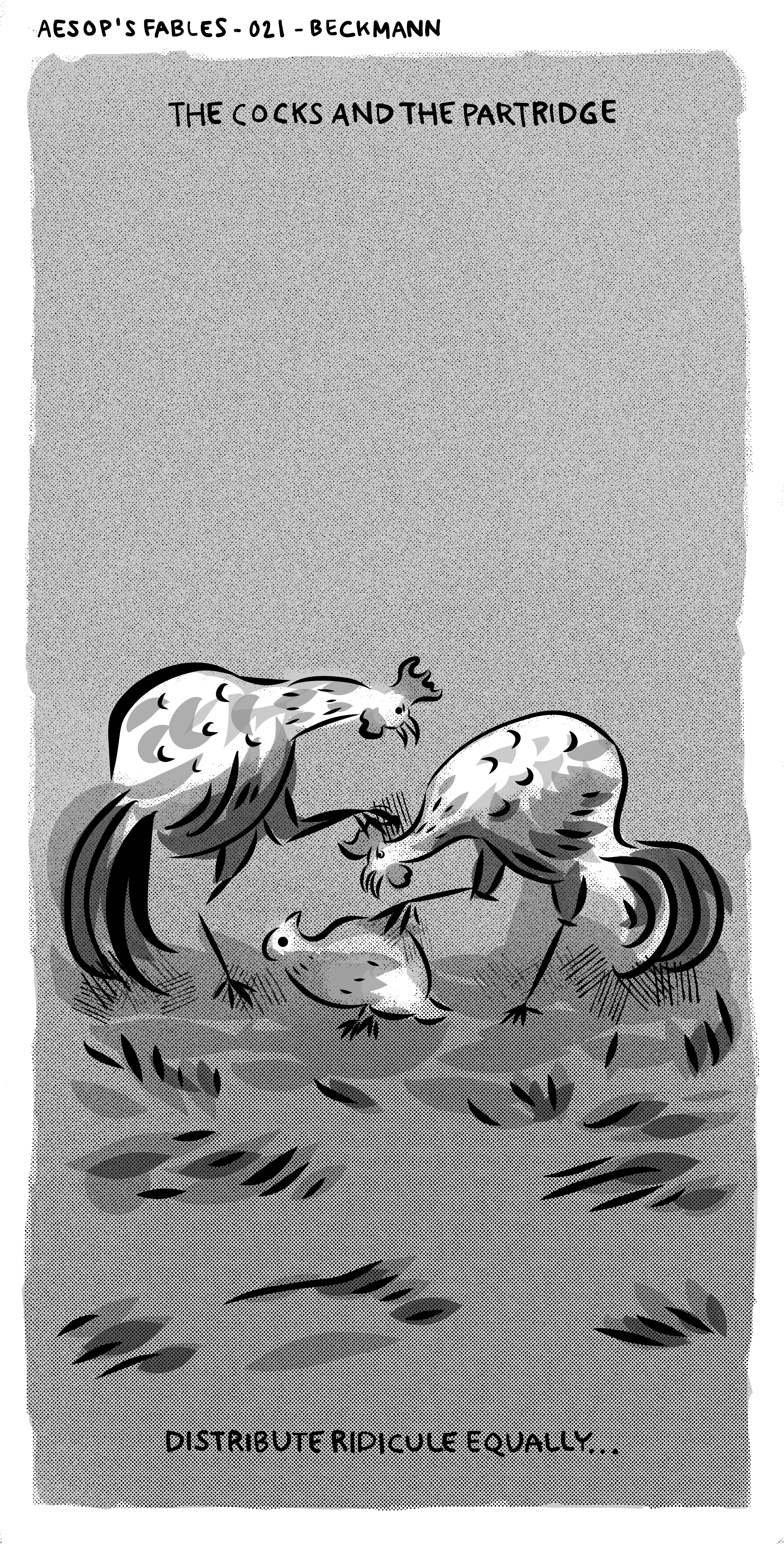
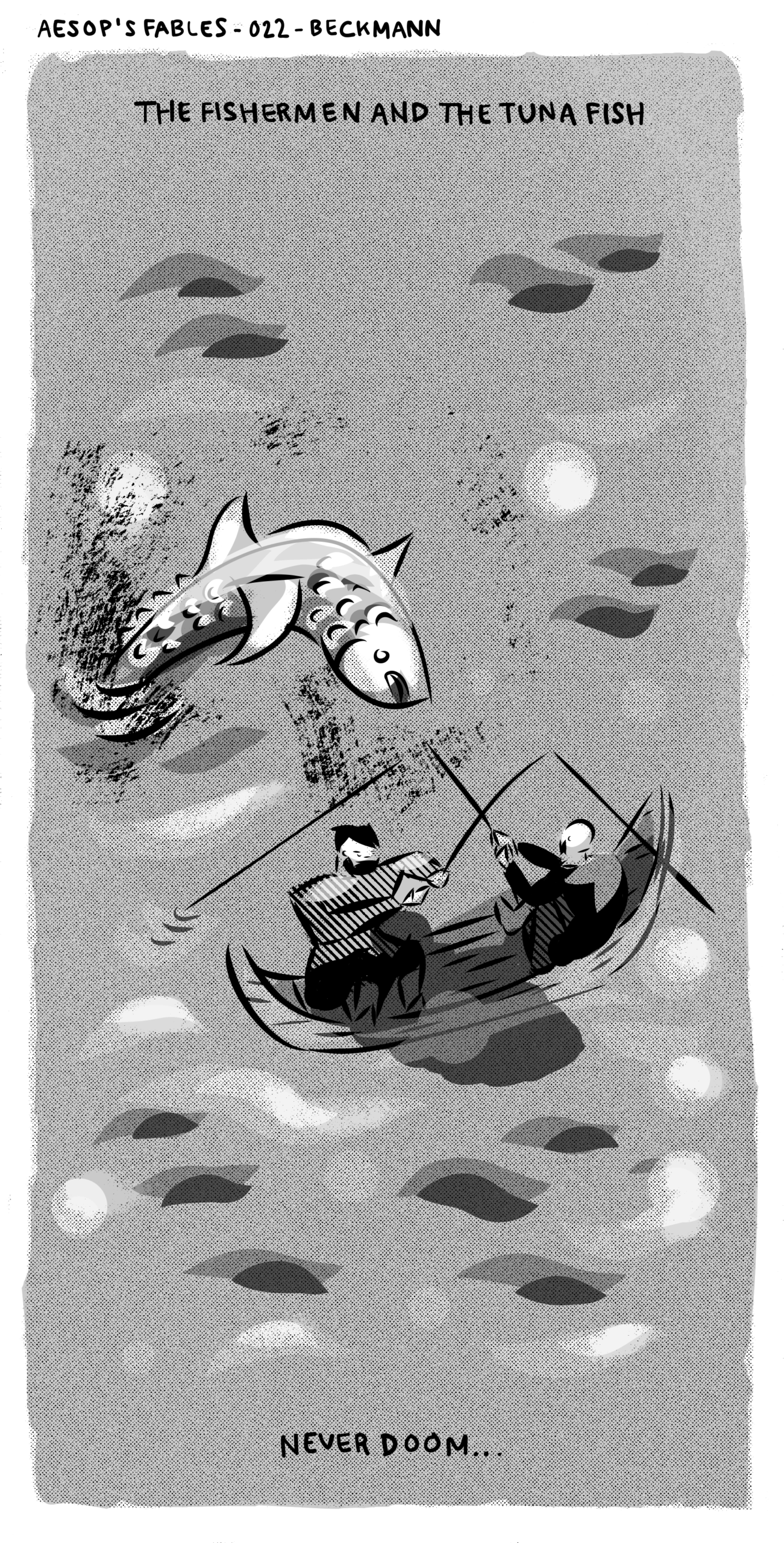
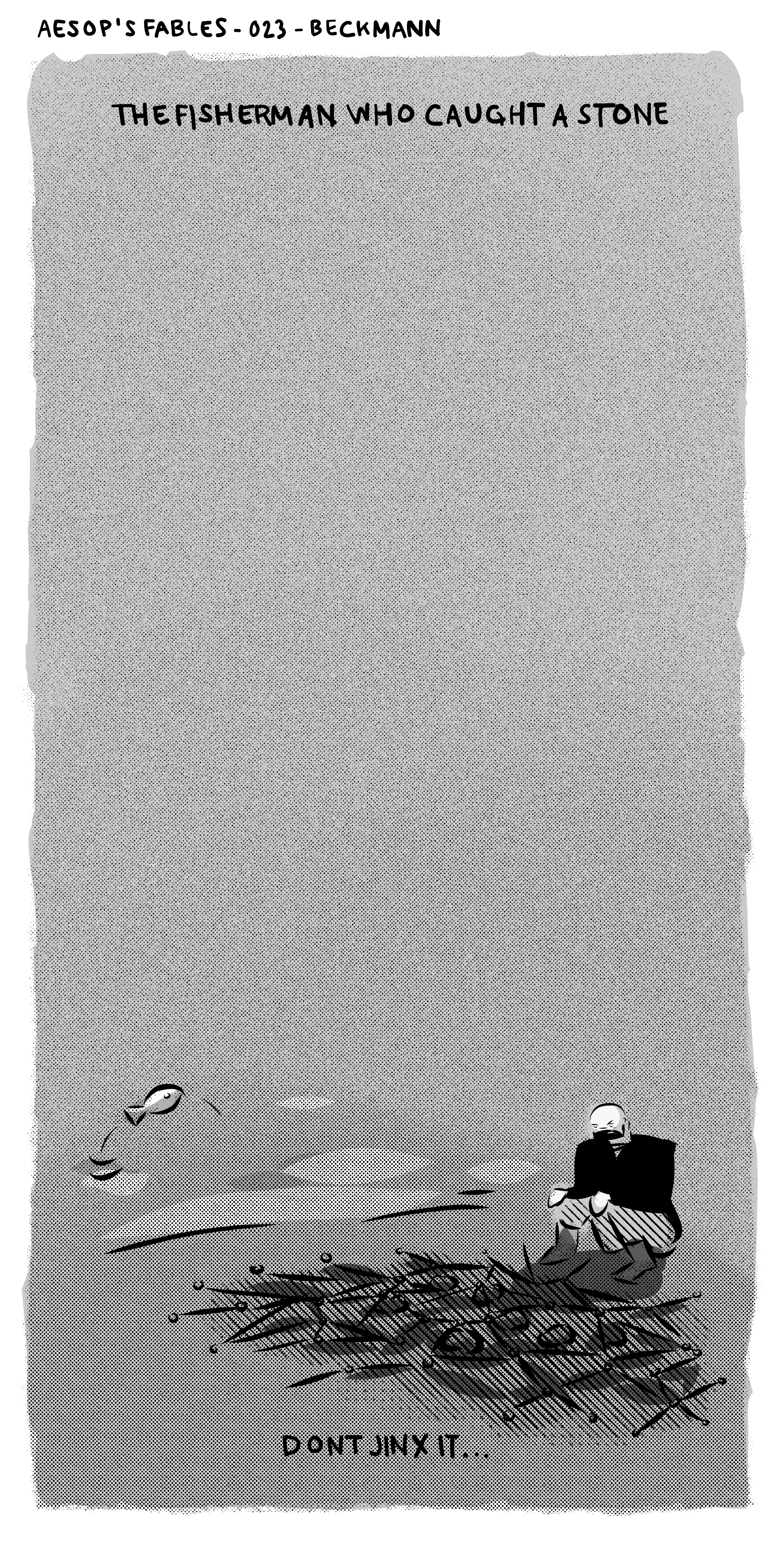
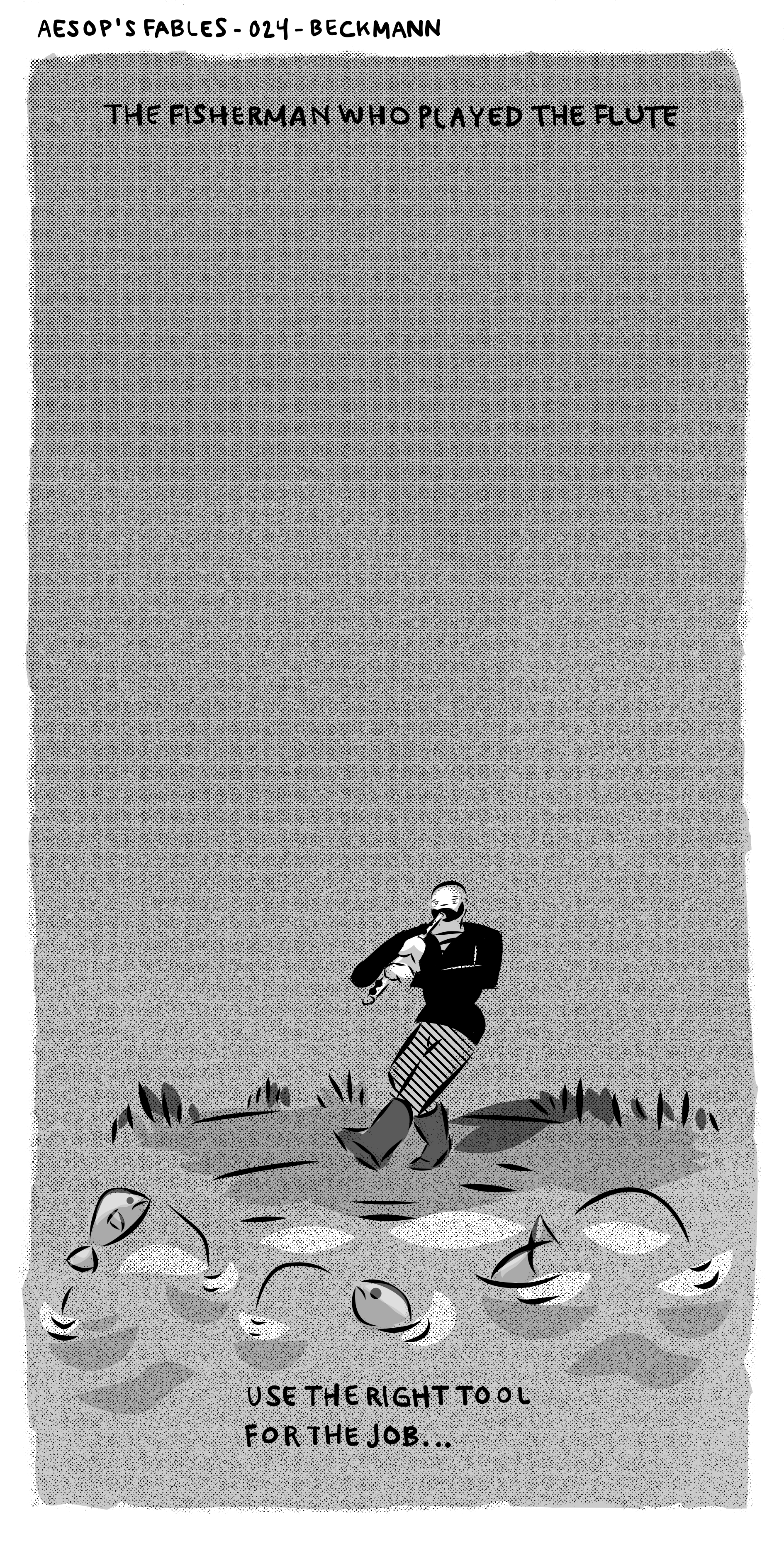
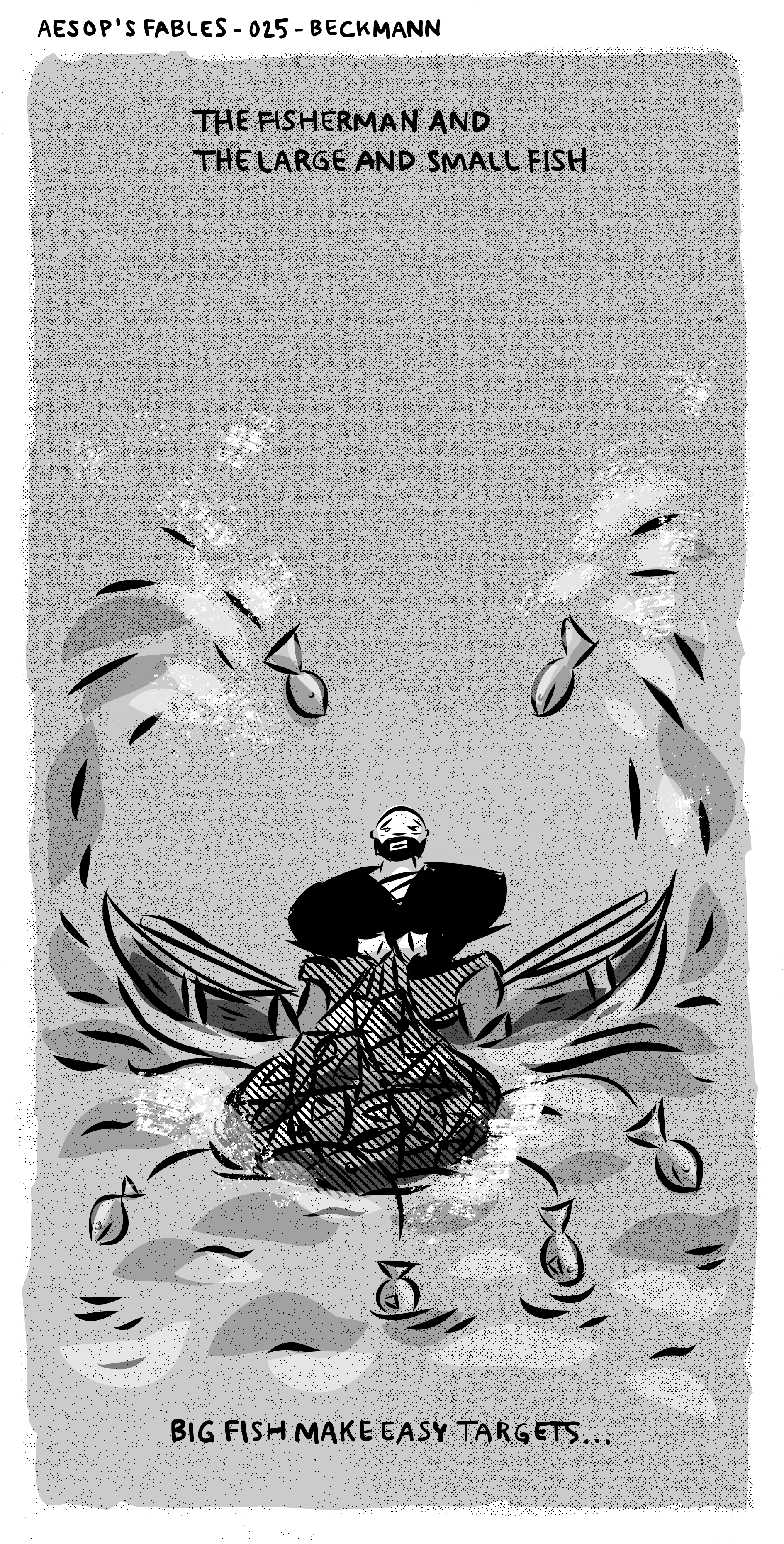
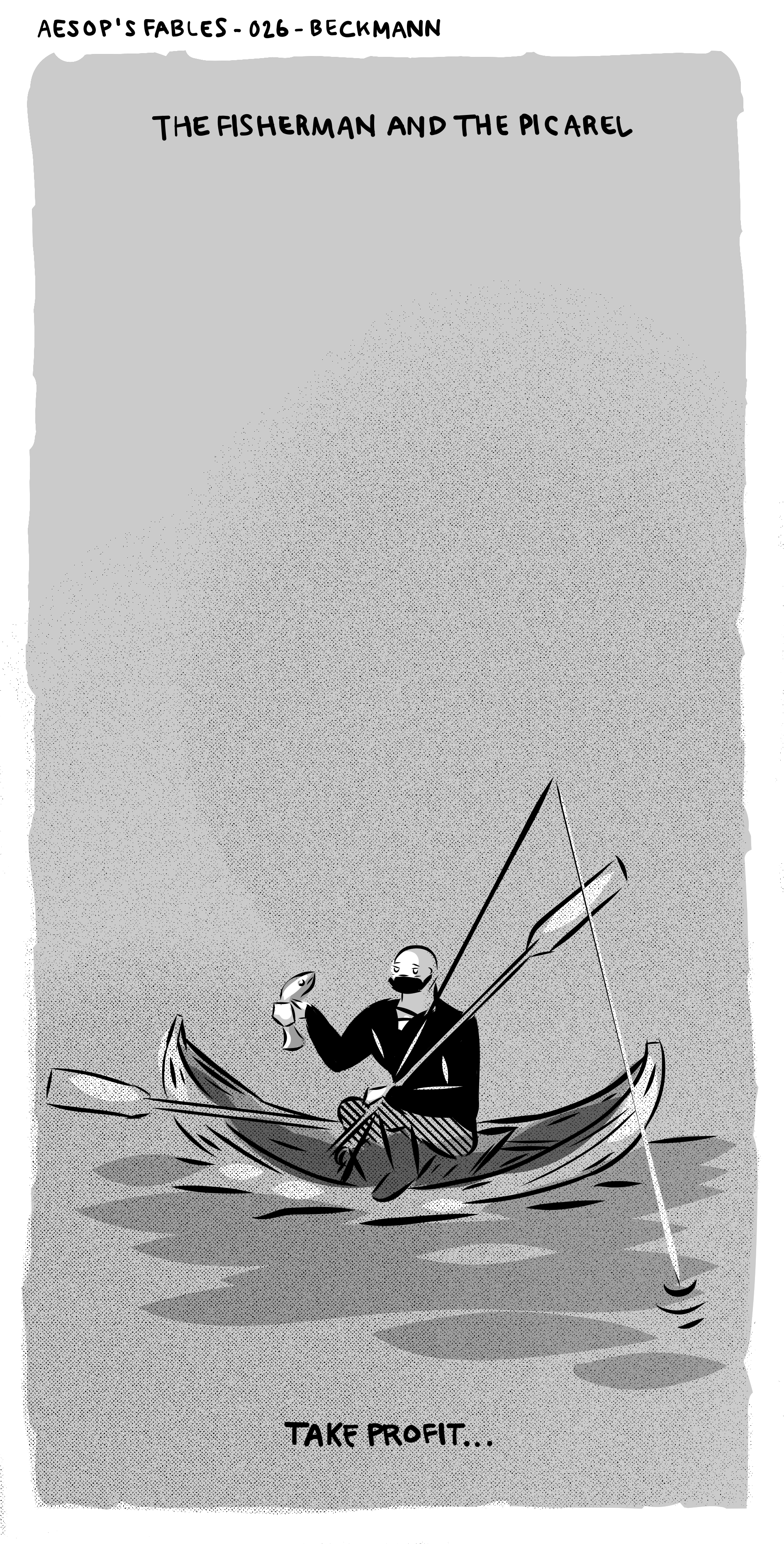
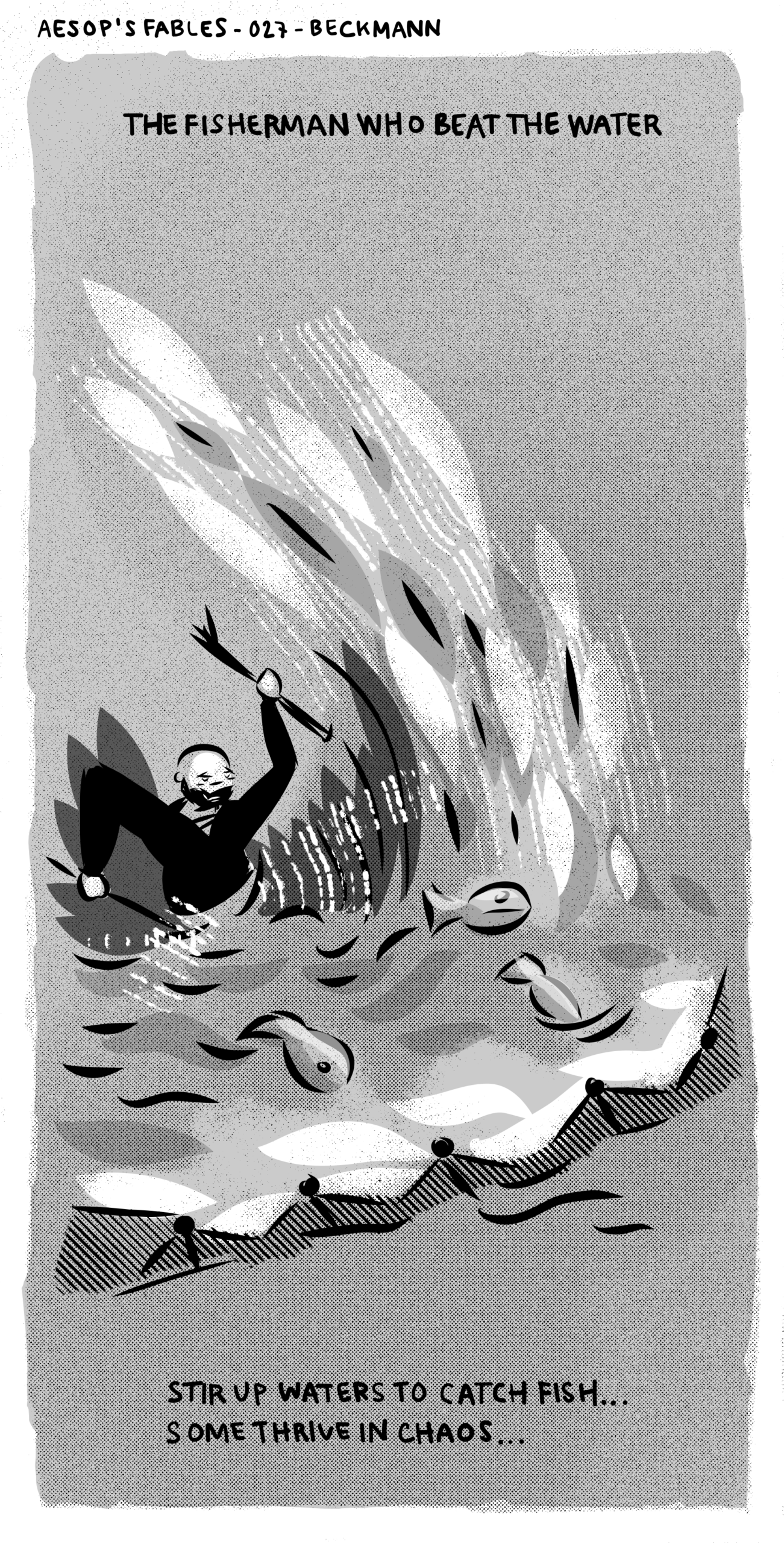
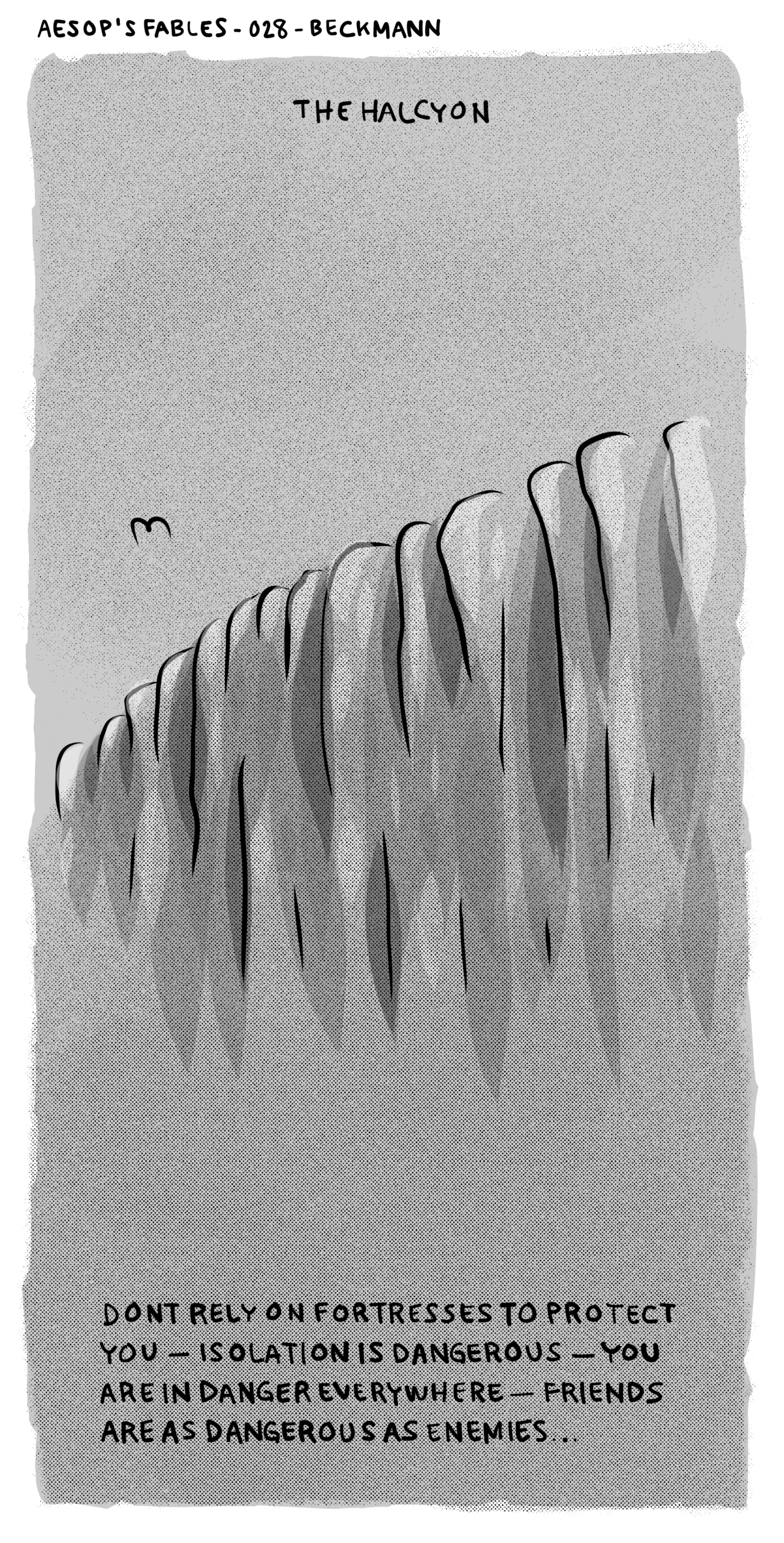
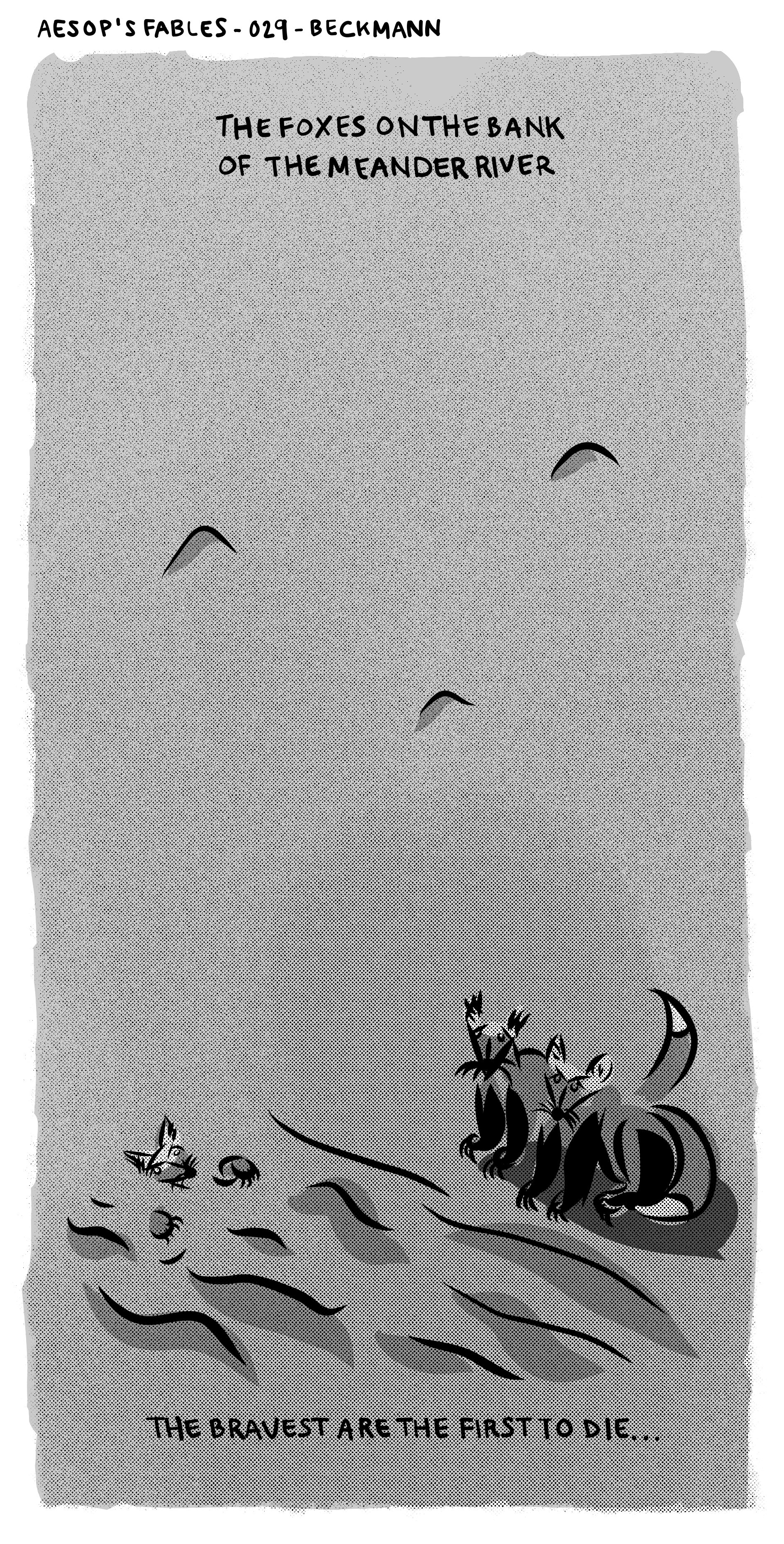
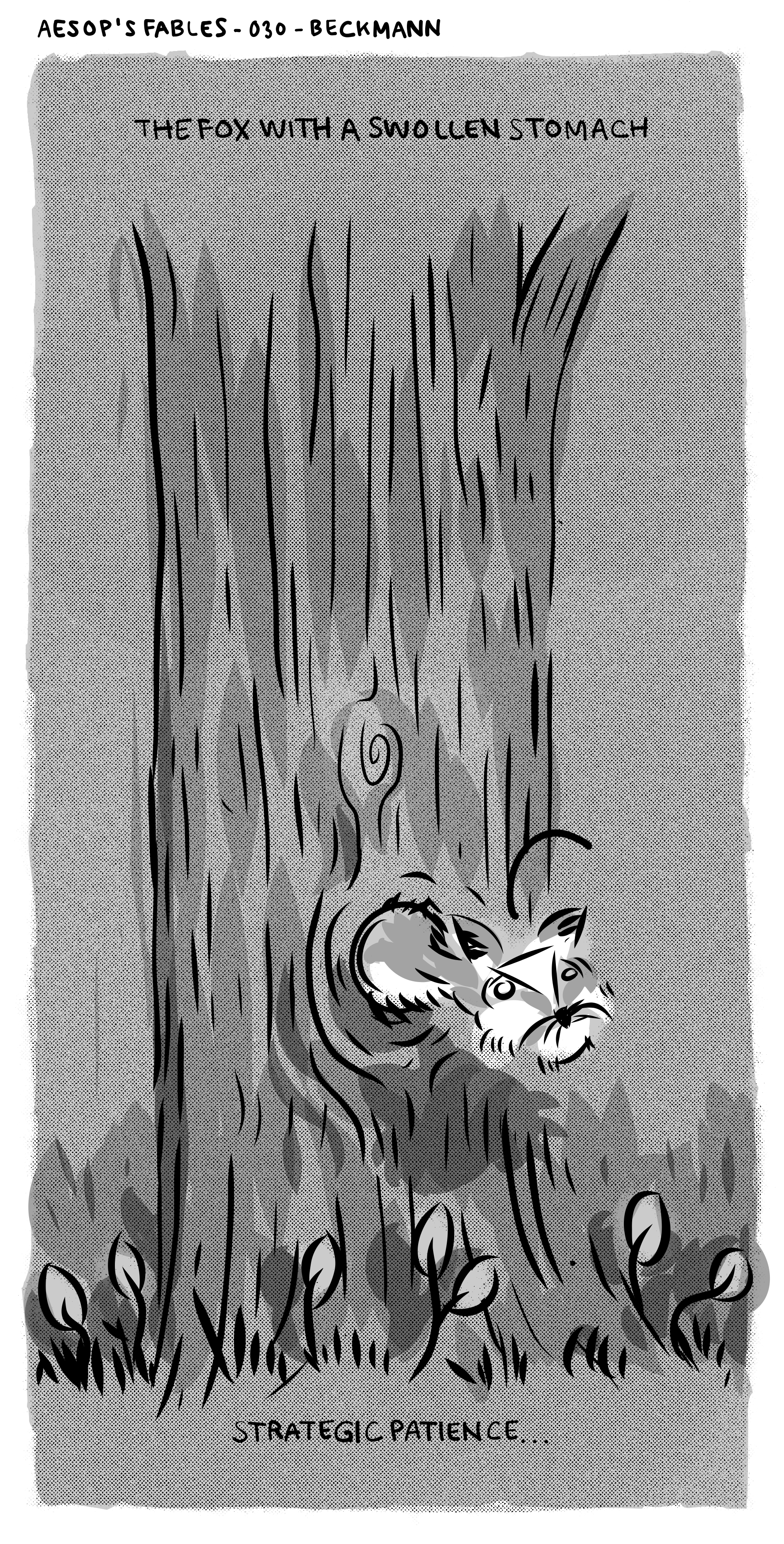
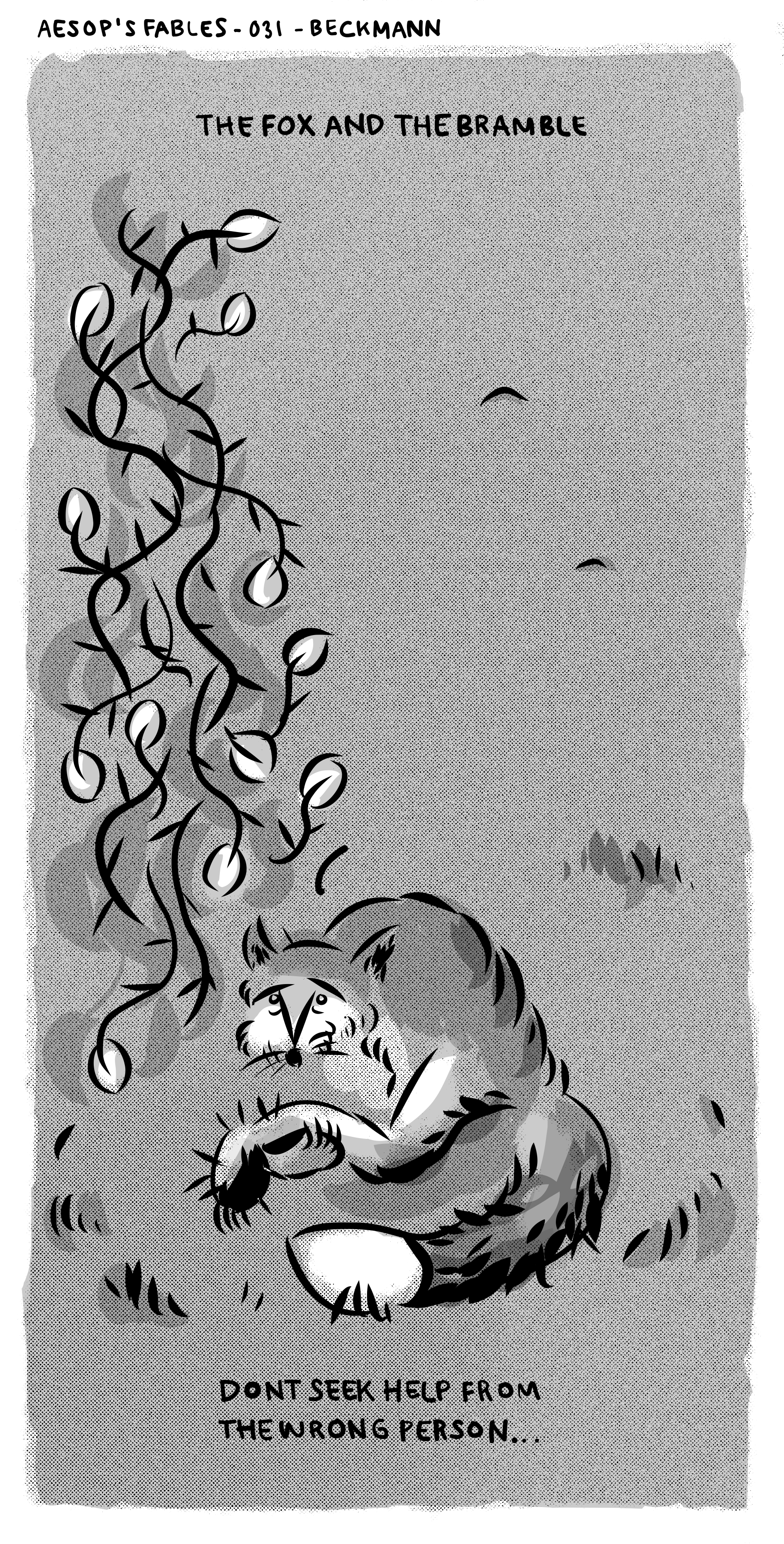
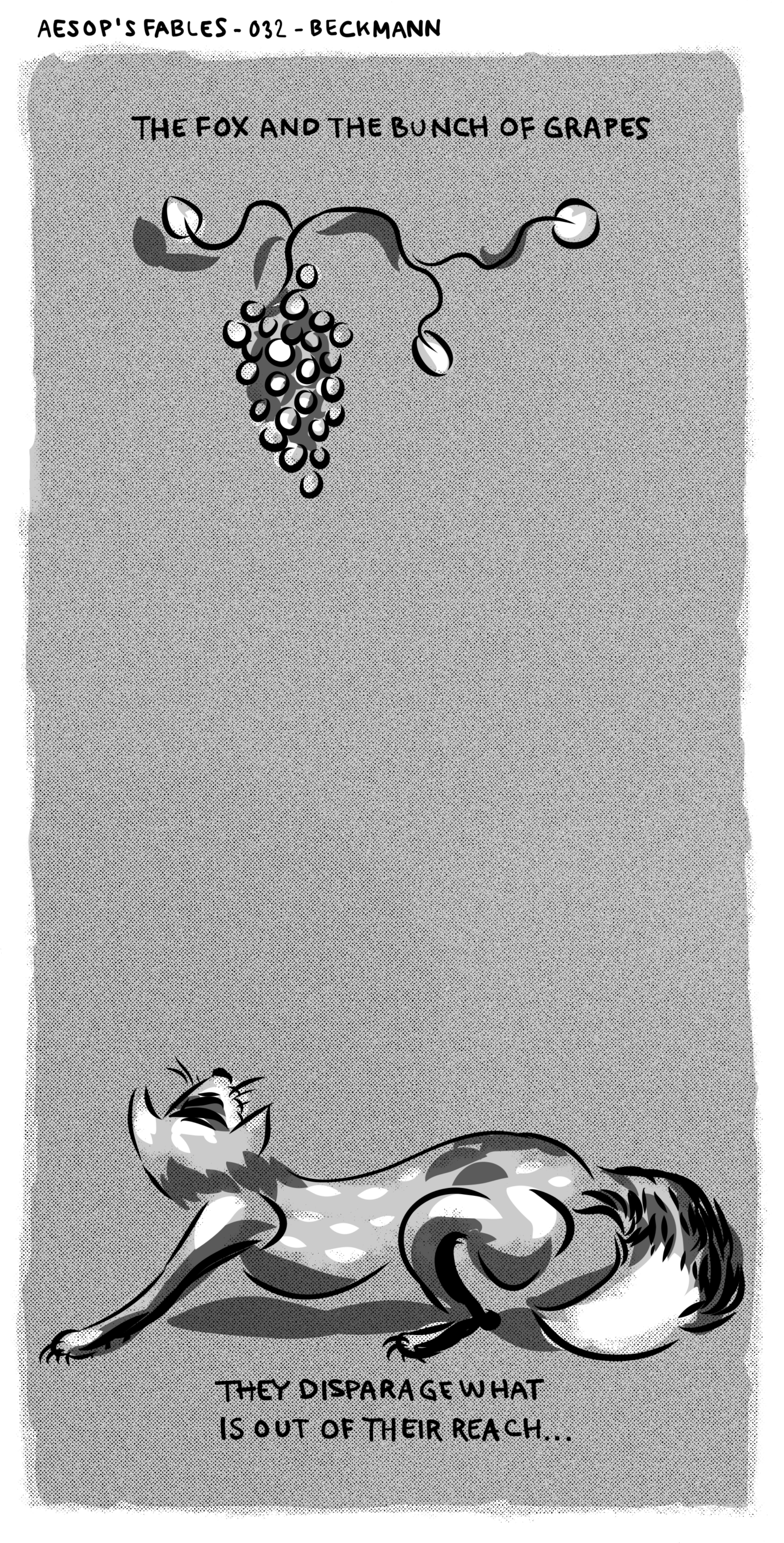
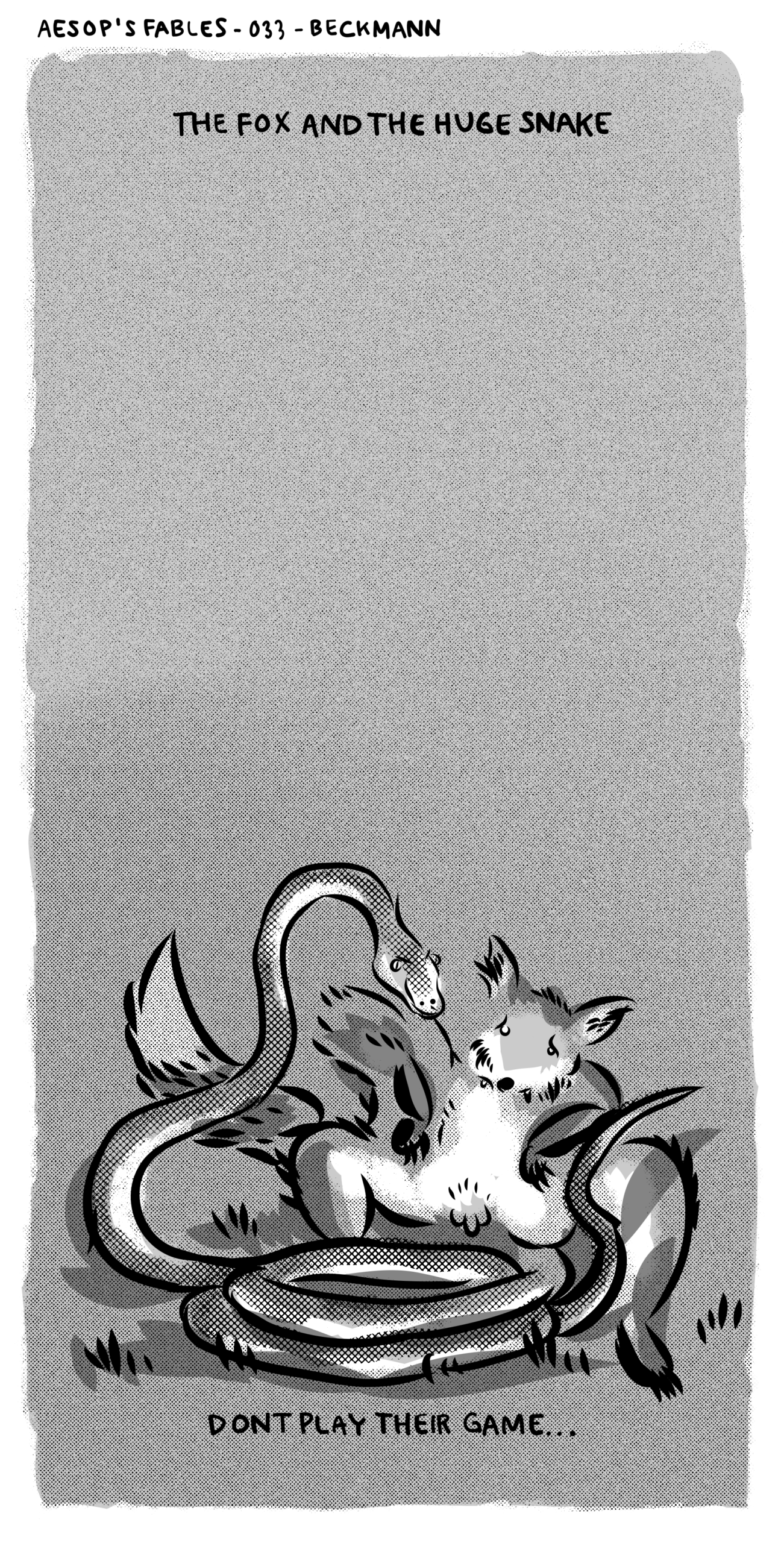
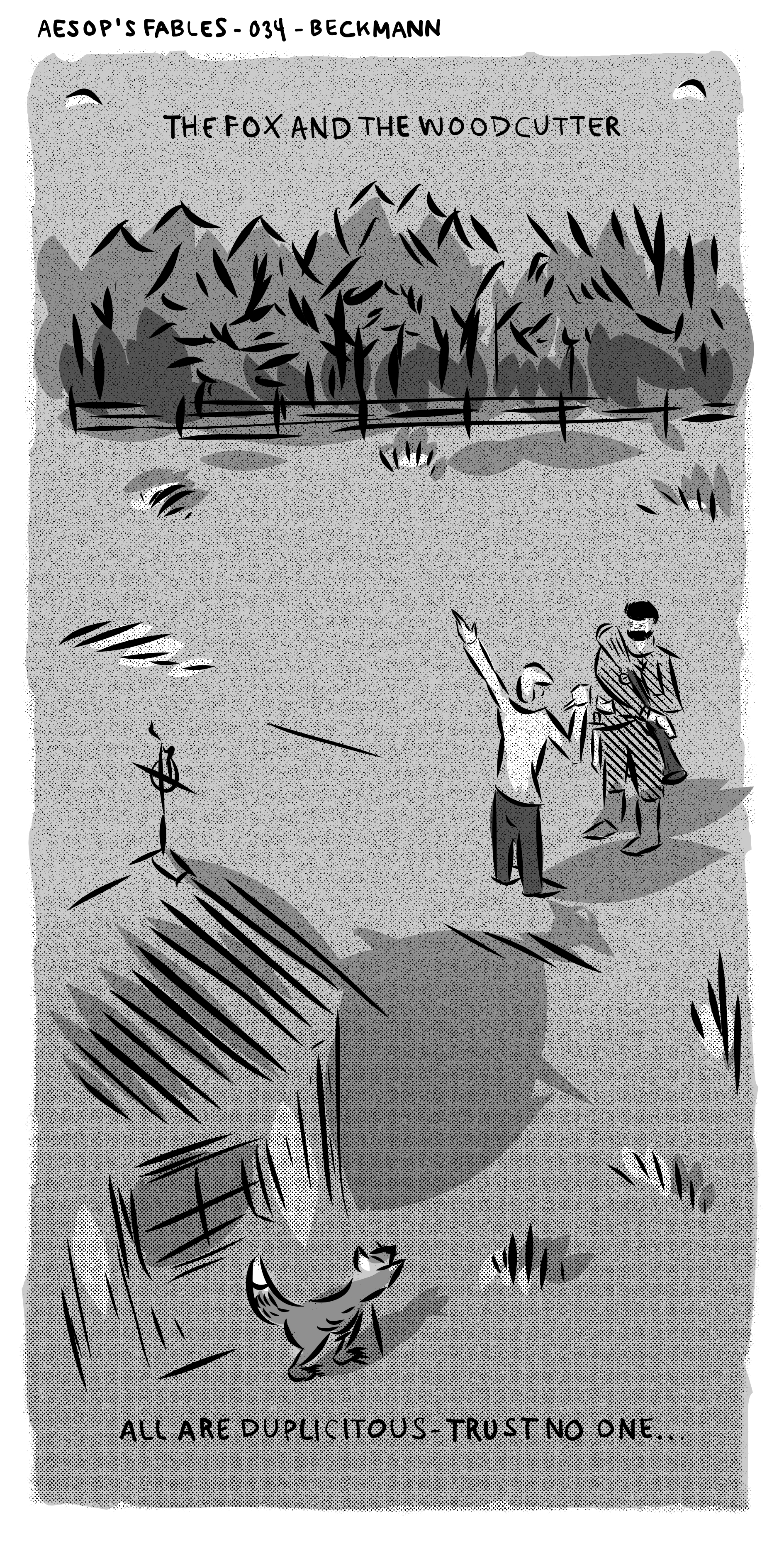
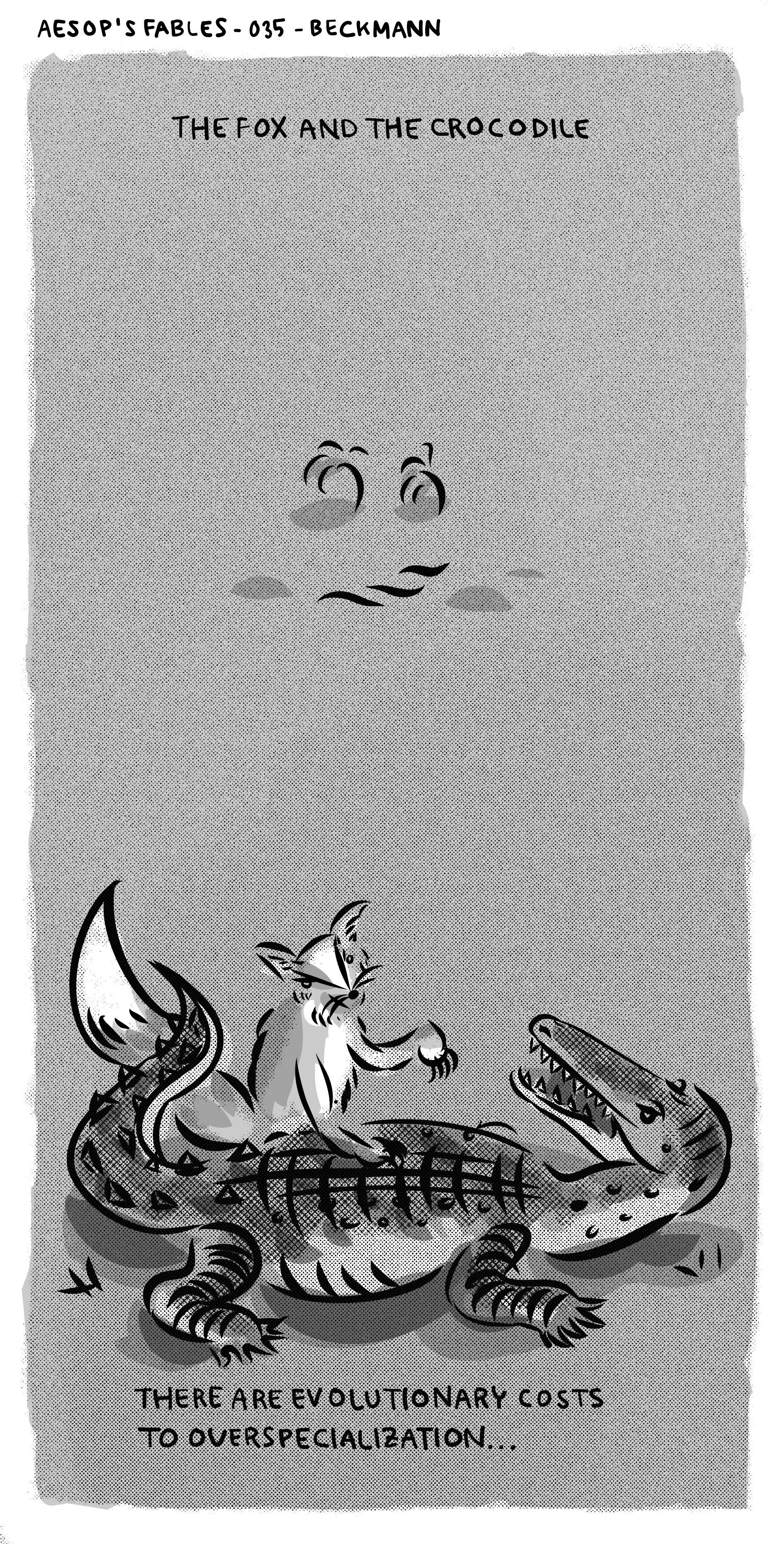
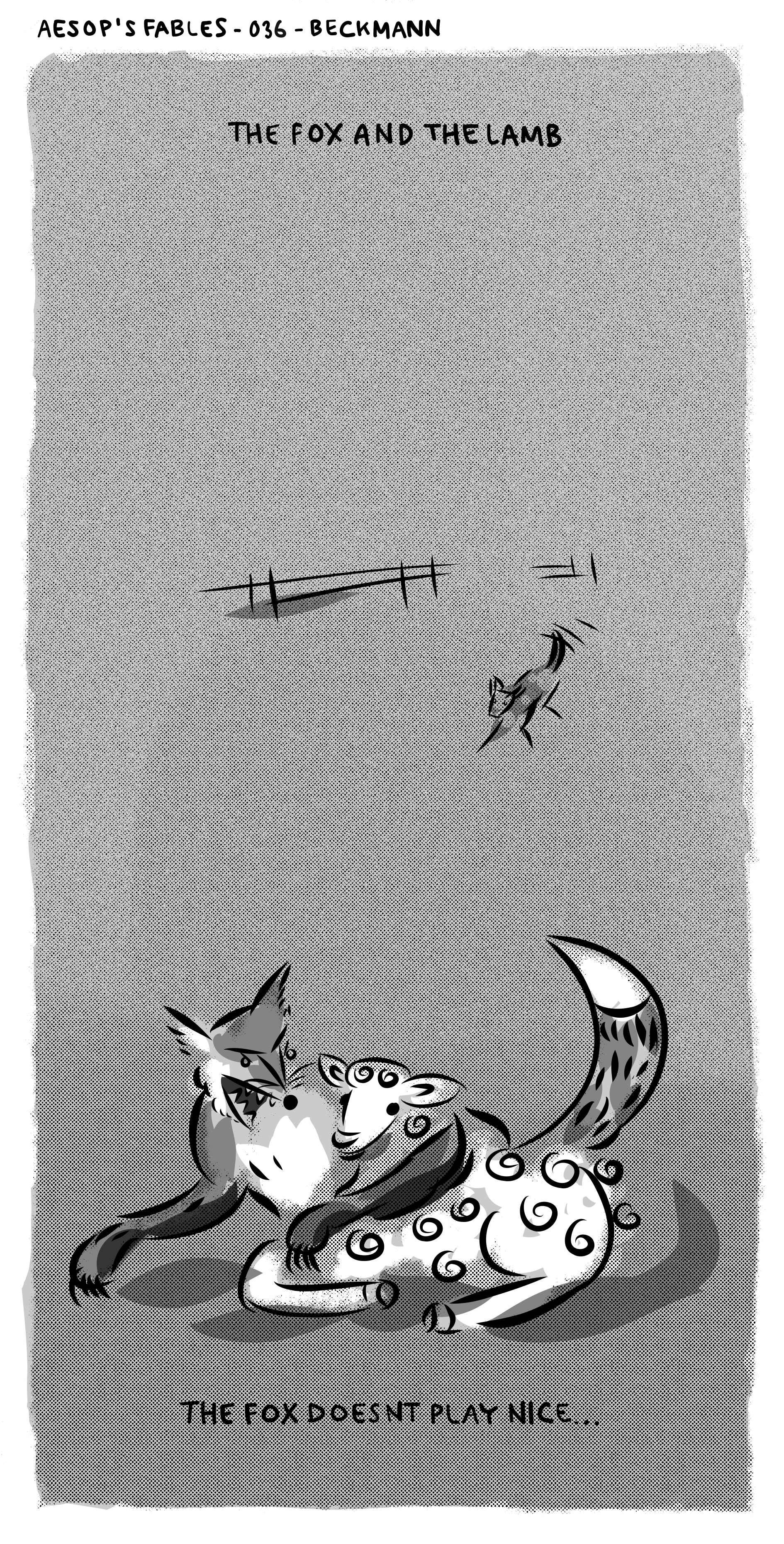
Notes are accumulating… this is unfinished
The List of Animals and What they Are:
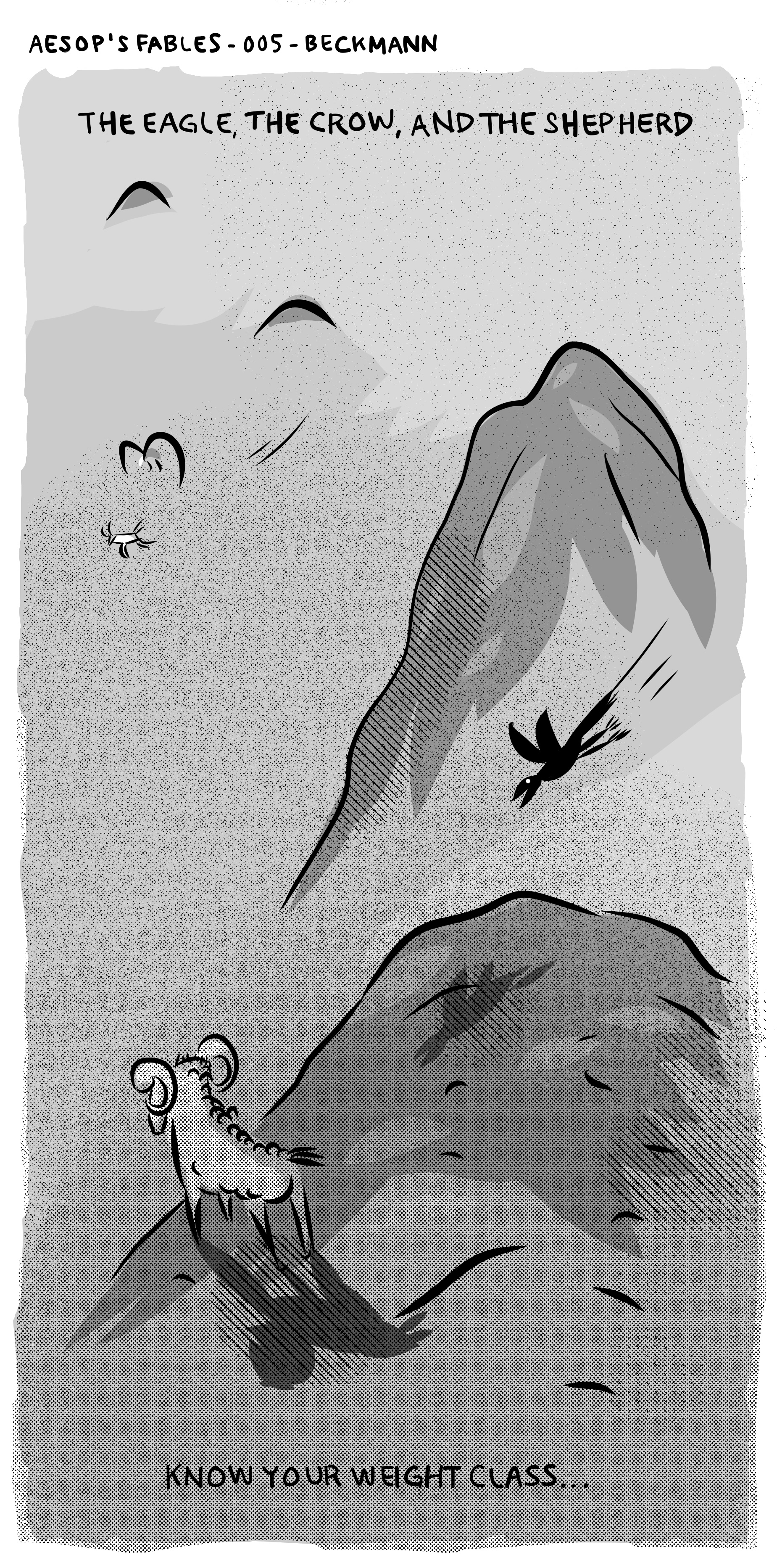
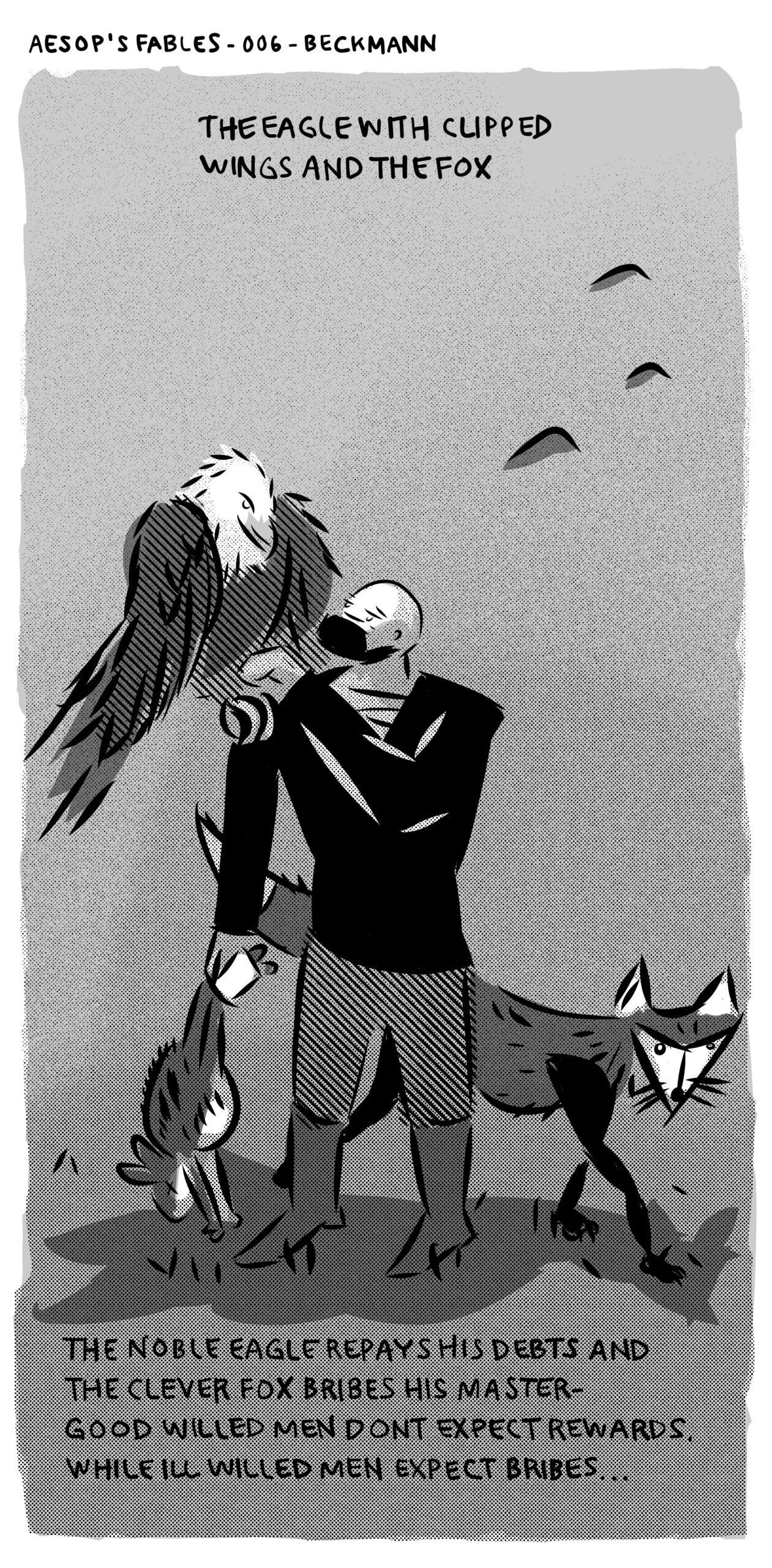
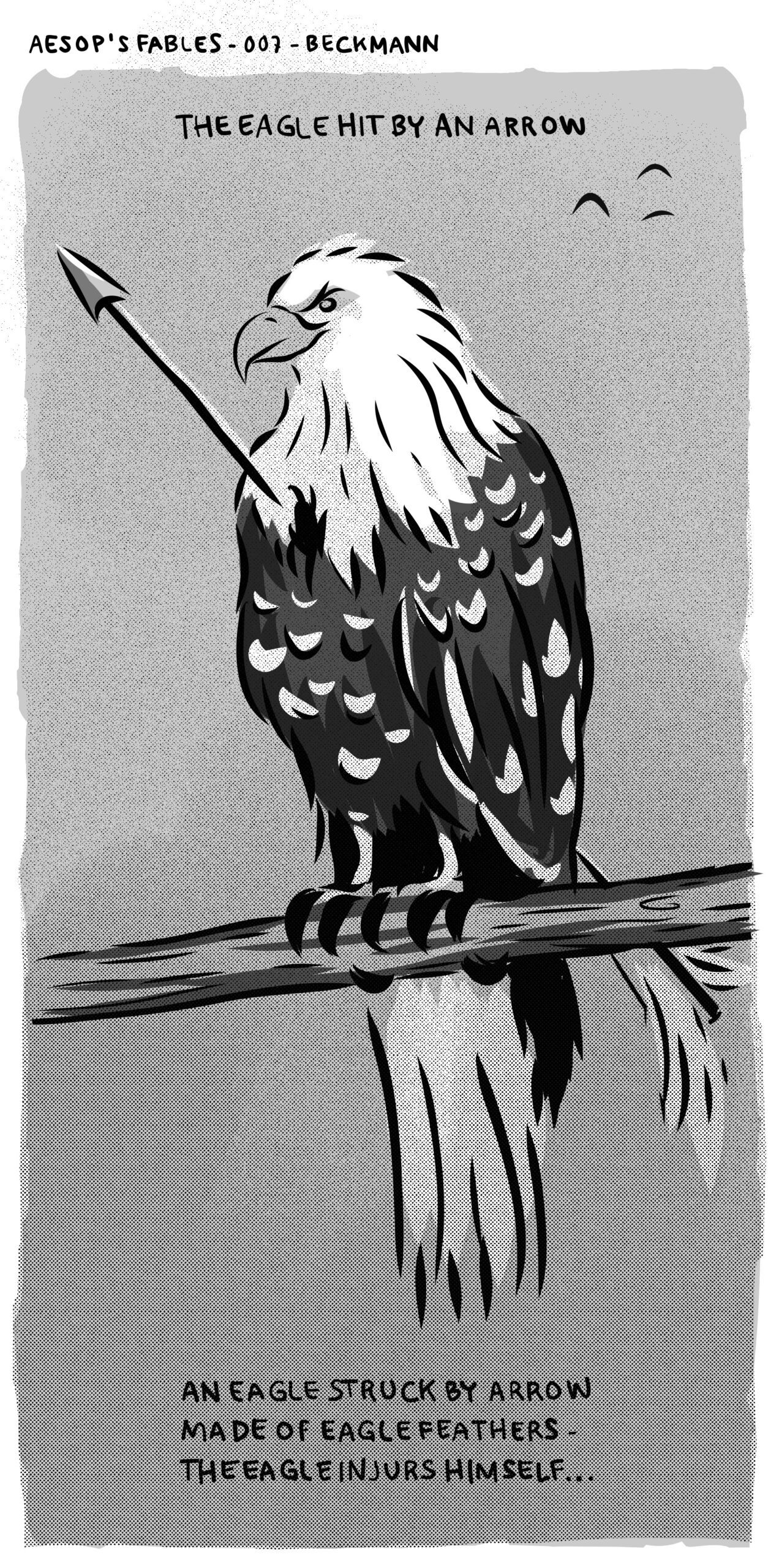
The Eagle: Powerful Lords – top of the food chain – not to be messed with. They injure themselves (7). References (3, 4, 5, 6, 7) – Tally 5
The Fox: Cunning, low power predator. References (3, 6) – Tally 2
The Scarab: – Weak, but capable, clever, and spitefully just. References (4) – Tally 1
The Hare: – Foolish prey or npc. References (4, 6) – Tally 2
The Crow: Overconfident. References (5) – Tally 1
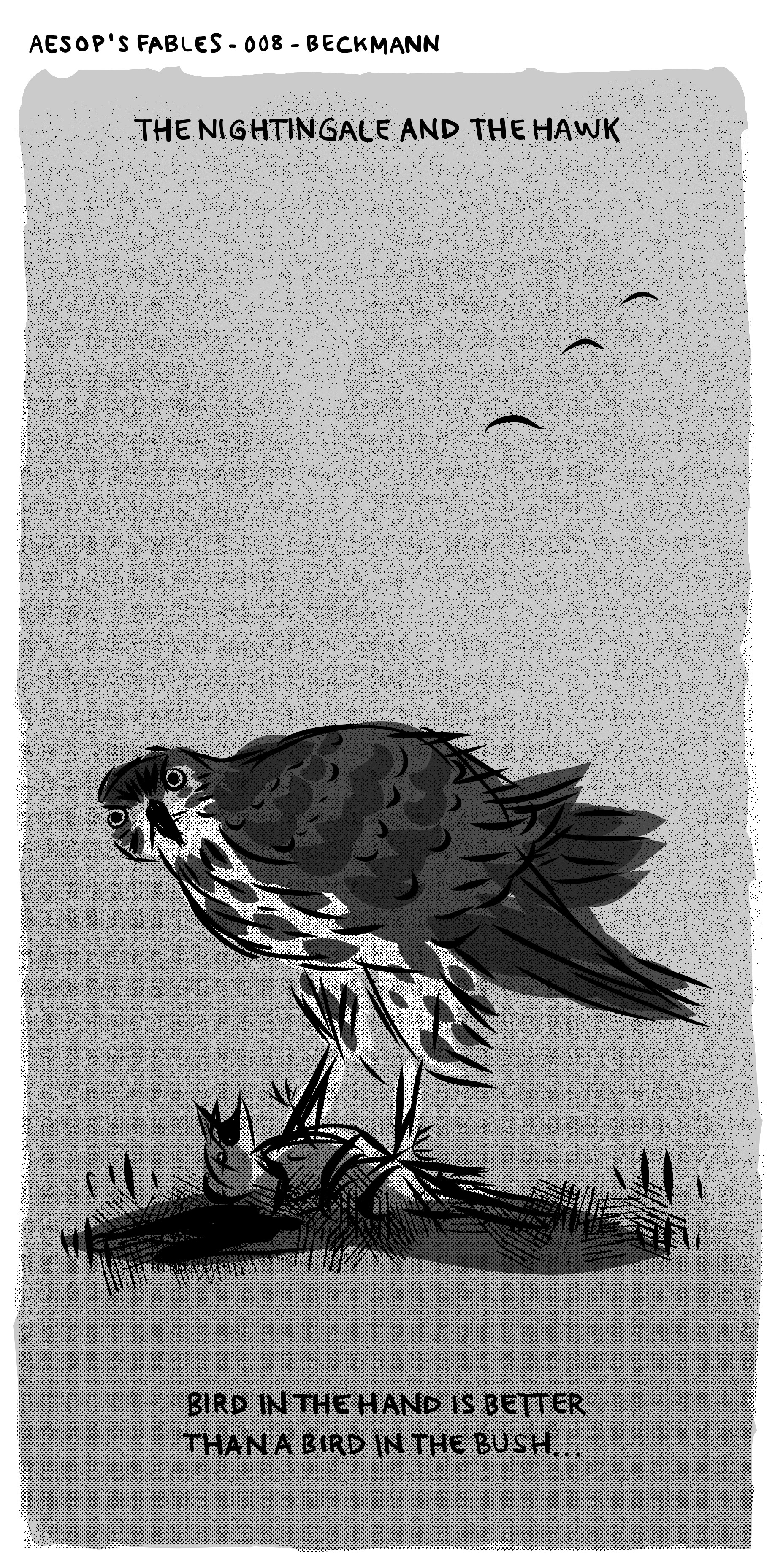
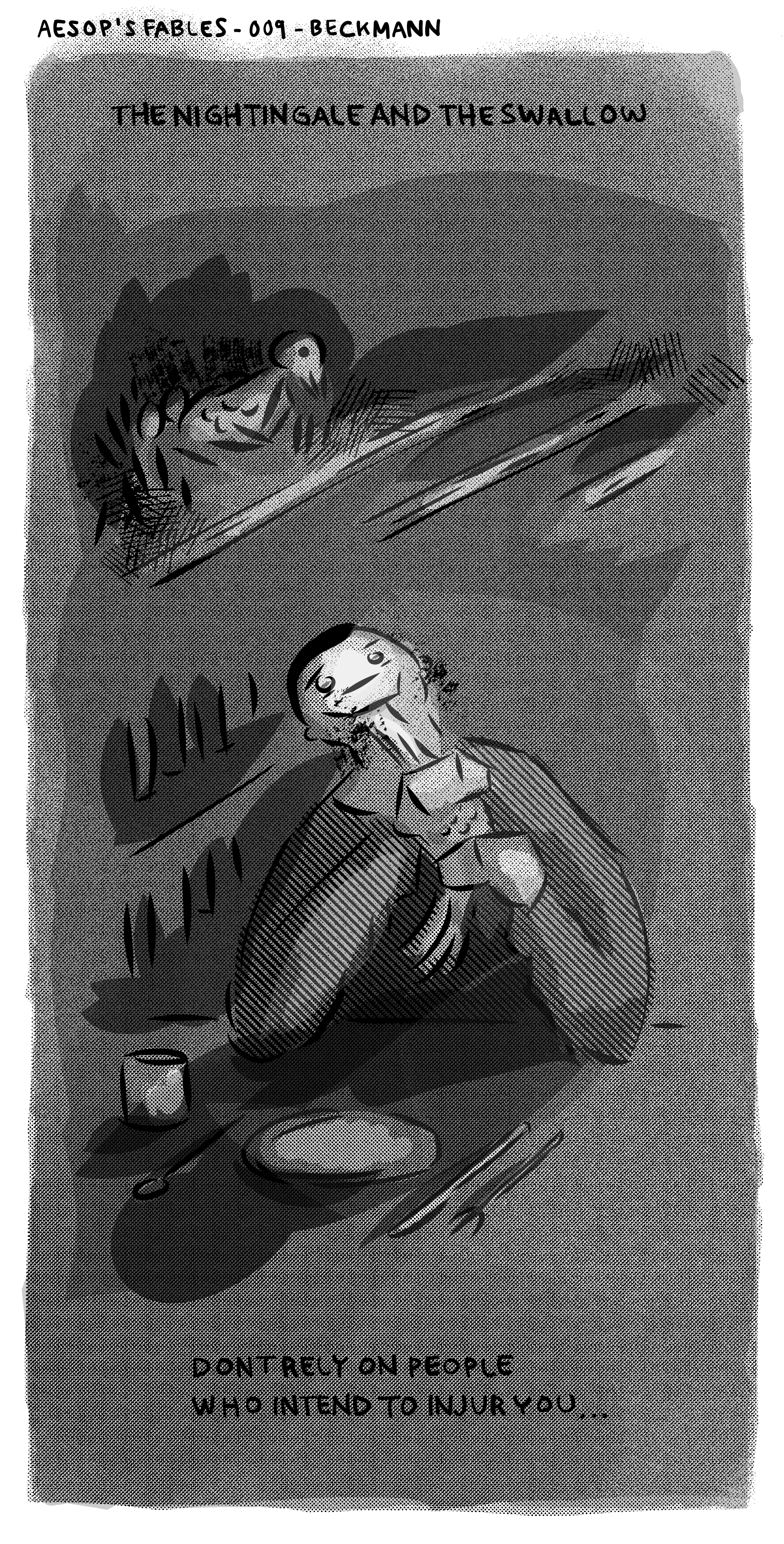
The Nightingale: References (8, 9) – Tally 2
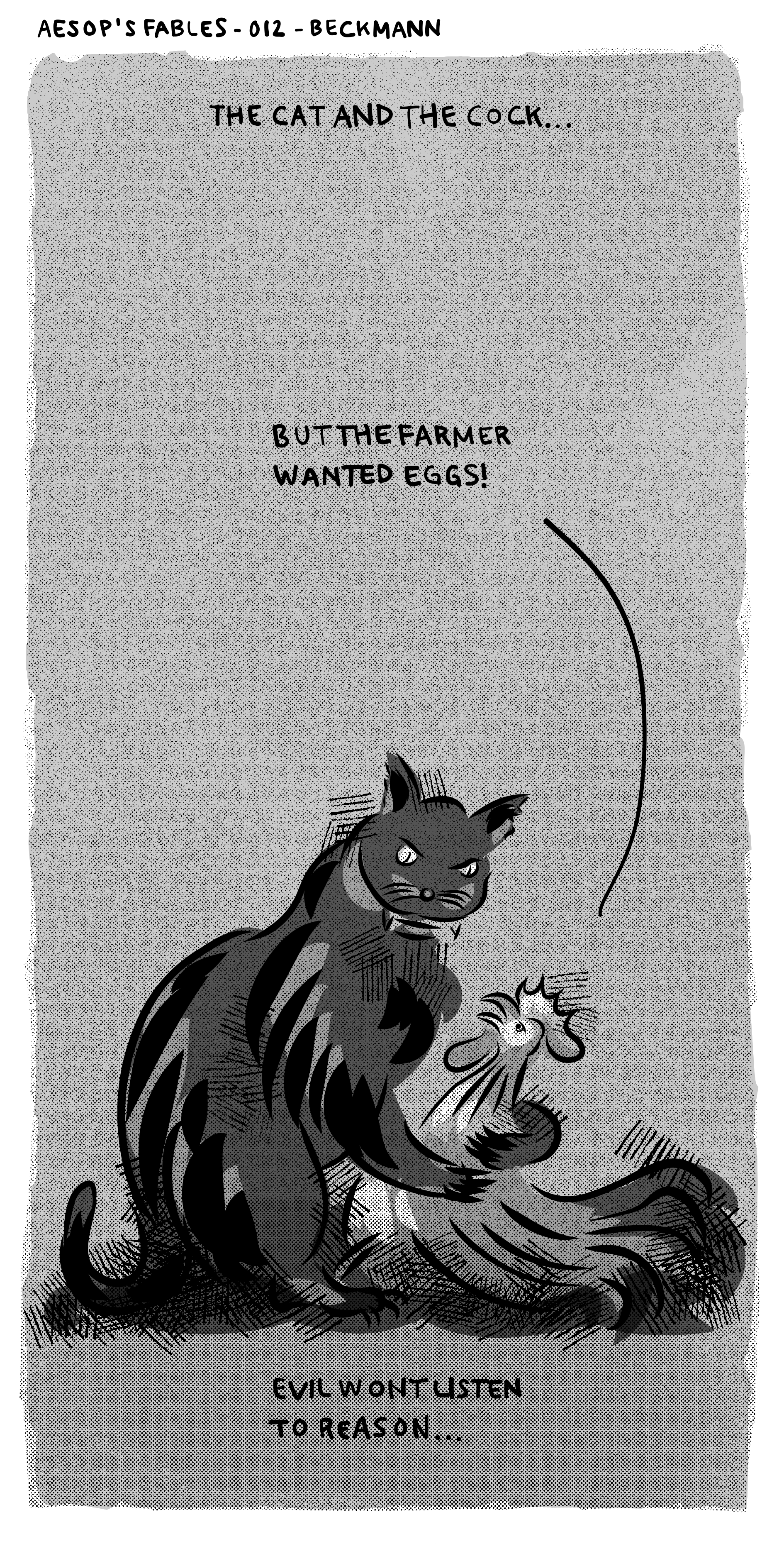
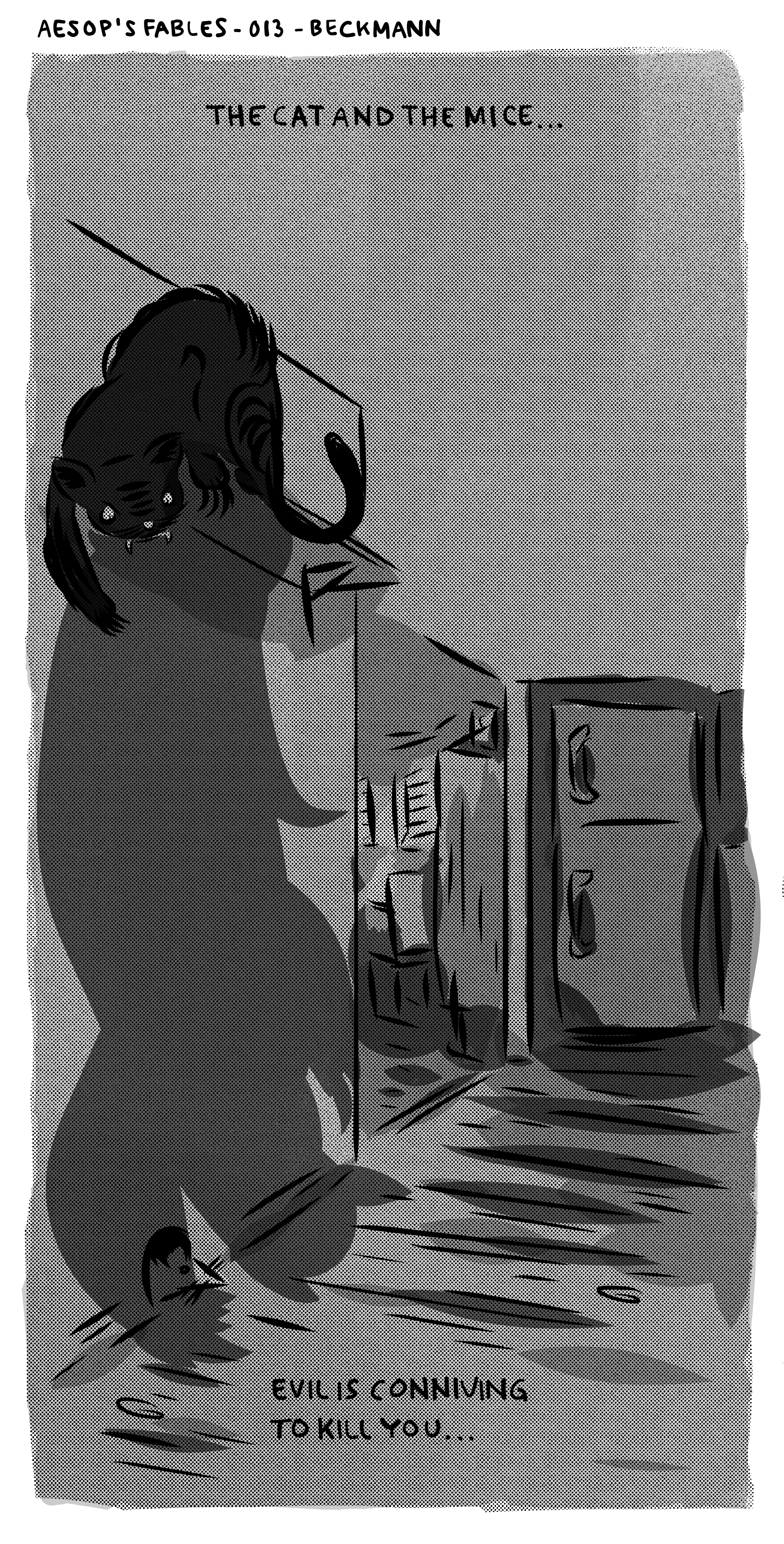
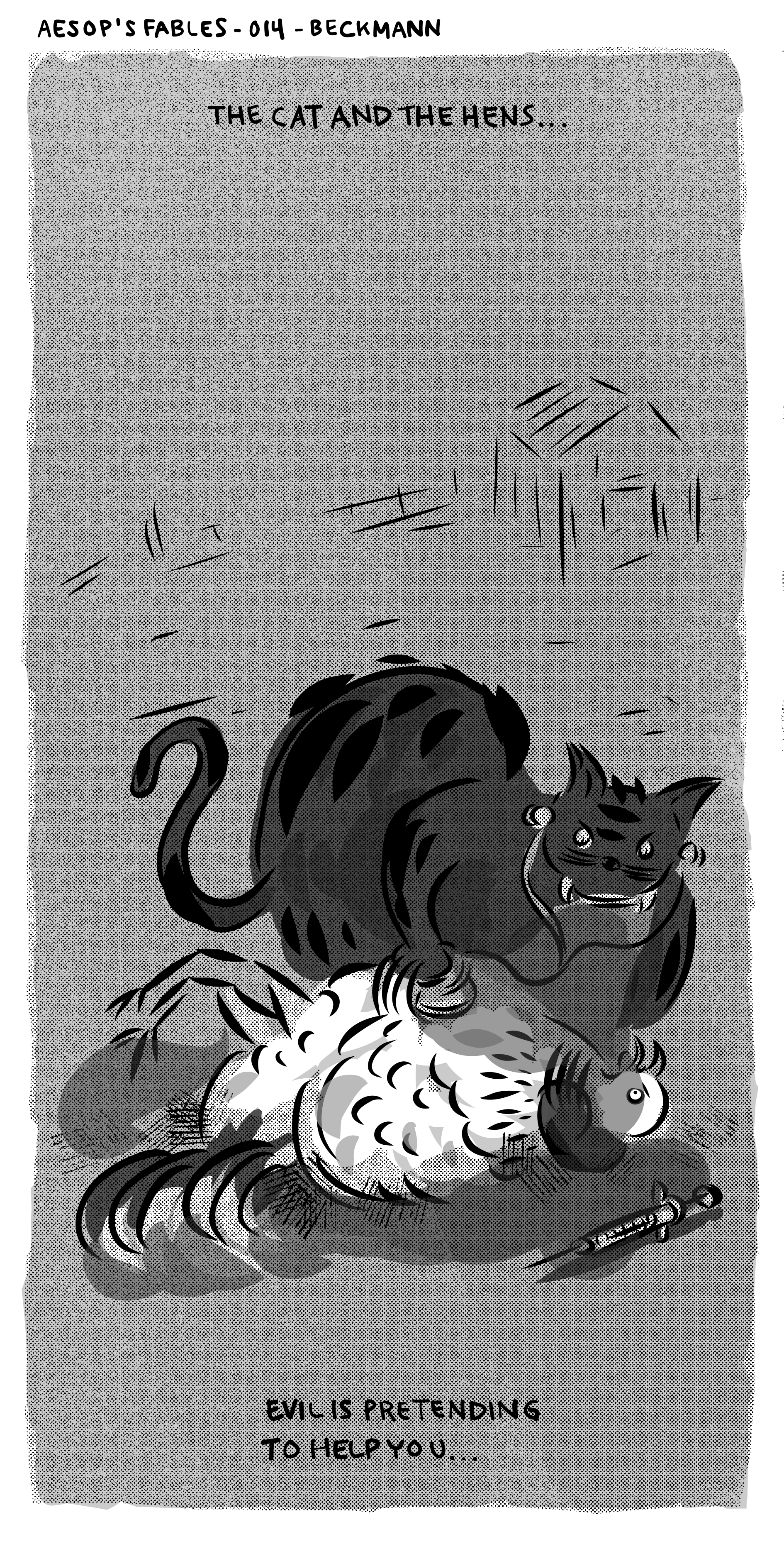
The Cat: Diabolical evil with high intelligence. References (12, 13, 14) – Tally 3
The Cock/Hen: References (12, 14) – Tally 2
The Hawk: References (8) – Tally 1
The Sparrow: References (9) – Tally 1